
- The connection between Himalayan Monal Pheasants and Pixar’s Up
- Understanding the biology and ecology of Himalayan Monal Pheasants
- The role of zoos in wildlife conservation and education
- Insights into animation research and animal behavior
- Visiting the Sacramento Zoo and its exhibits
Pixar Animators and the Himalayan Monal Pheasant
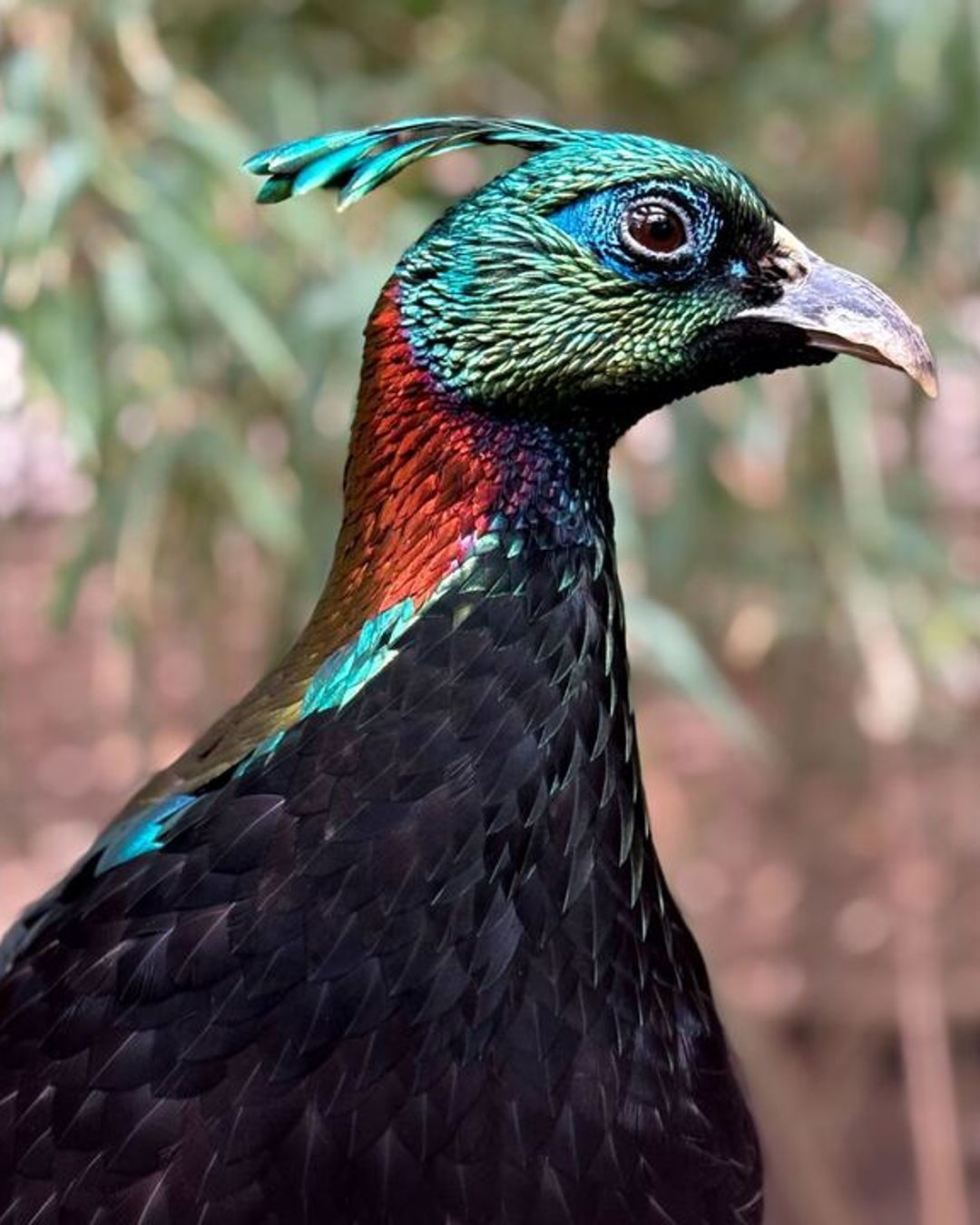
Pixar movies are celebrated for their vivid characters and stories, often inspired by real-life elements. The connection between the Himalayan Monal Pheasant and Pixar’s animated film Up offers a fascinating insight into this creative process. Animators visited the Sacramento Zoo to observe one of these incredible birds. They studied the male monal pheasant, whose striking plumage inspired the character Kevin, a large, colorful bird central to the movie’s narrative. The vibrant display of iridescent hues in the pheasant’s feathers enriched Kevin’s character, capturing the audience’s imagination with a stunning visual presentation.
The exquisite coloration of the Himalayan Monal Pheasant serves a significant role beyond aesthetics. It reflects light in a way that creates dynamic visual effects, a feature that intrigued Pixar’s creative team. Animators spent considerable time analyzing the movement and behavior of these birds, ensuring Kevin’s on-screen persona was both captivating and believable. This approach highlights the intricate process involved in translating real-world characteristics into animated features.
Biology and Ecology of the Himalayan Monal Pheasant
Himalayan Monal Pheasants are native to the mountainous regions of South Asia, including the Himalayas. Their habitat ranges across forested hillsides and alpine meadows, environments which provide both the camouflage and breeding opportunities essential for survival. The species is known for its striking sexual dimorphism, with males exhibiting iridescent plumes and females featuring muted browns for more effective concealment.
The diet of these pheasants consists of roots, tubers, insects, seeds, and occasionally small reptiles. This varied diet supports their health and vigor, allowing them to maintain their vivid feather coloration and robust physical condition. Their foraging behaviors have been meticulously observed by zoologists, who note that these pheasants play a crucial role in their ecosystem by aiding in seed dispersal and pest control.
Reproductive behavior in Himalayan Monals is a captivating aspect of their ecology. Males engage in elaborate displays to attract females, a practice that underscores the importance of visual cues in avian mating rituals. Their courtship dances and calls are areas of ongoing study, providing insights into the communication systems within avian species.
Wildlife Conservation and Education in Zoos
Zoos like the Sacramento Zoo play a critical role in wildlife conservation, offering a sanctuary for species like the Himalayan Monal Pheasant. These institutions provide a controlled environment where scientific research and conservation breeding programs can thrive. By housing these birds, zoos contribute significantly to genetic diversity and help prevent the depletion of wild populations.
Educational efforts within zoos aim to raise public awareness about the species they host. Exhibits are designed to inform visitors of the ecological significance of animals like the Himalayan Monal. By engaging with the public through interactive displays and informative signage, zoos promote understanding and appreciation of biodiversity. They also support conservation efforts by demonstrating the challenges faced by wildlife and the importance of preserving natural habitats.
Visiting zoos offers an opportunity to witness firsthand the beauty and complexity of species like the Himalayan Monal Pheasant. Guests are encouraged to explore the connections between these creatures and broader environmental themes, fostering a deeper connection to the natural world.
Animation Research and Animal Behavior
The collaboration between Pixar and the Sacramento Zoo underscores the importance of detailed research in animation. Understanding animal behavior and movement is pivotal in creating authentic and engaging characters. For instance, by observing the Himalayan Monal’s interaction with its environment, animators captured the essence of wild bird behavior, enhancing Kevin’s character in Up.
Such dedication to realism requires thorough observational research and consultation with zoological experts. This partnership ensures that characters are not only visually appealing but also resonate with genuine animal behaviors. Accurate portrayals in media play a crucial role in shaping public perceptions and awareness of wildlife.
Sacramento Zoo: A Hub of Biodiversity
The Sacramento Zoo, home to the study of the Himalayan Monal Pheasant, is renowned for its diverse range of exhibits. Located near the red panda habitat, the aviaries house these magnificent birds, providing visitors with an up-close experience of their brilliant plumage and behaviors. This encounter is both educational and inspiring, offering insight into the natural artistry of these creatures.
The zoo’s commitment to conservation is evident in its collaborative efforts with movie studios and educational initiatives. By bringing attention to species like the Himalayan Monal, the Sacramento Zoo serves as an ambassador for wildlife, promoting a message of conservation and environmental stewardship to visitors from around the world.
*****
Source Description
Our Himalayan Monal Pheasants have a special connection to the Pixar movie Up! 🎈
Did you know that while producing the movie Up, Pixar’s animators visited the Sacramento Zoo to study the behavior and stunning colors of one of our male Himalayan Monal Pheasants to help design the colorful bird Kevin?
Come visit these beautiful birds in the aviaries by our red panda habitat!
