
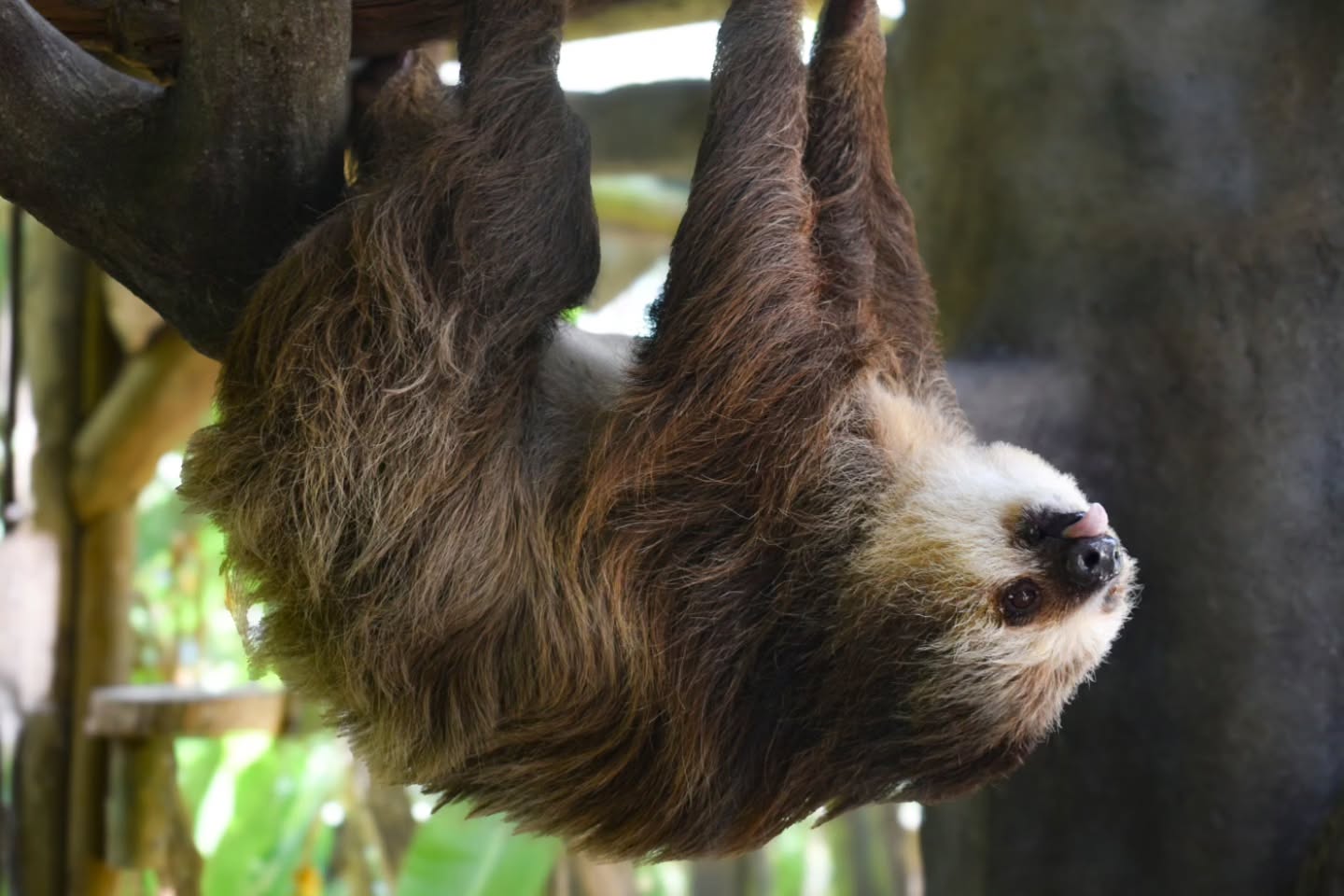
- Overview of Hoffmann’s Two-toed Sloth: Taxonomy and Habitat
- Physiology and Behavioral Characteristics
- Diet and Digestive Adaptations
- Reproductive Biology and Lifespan
- Conservation Status and Efforts in Preservation
Hoffmann’s two-toed sloth, scientifically known as Choloepus hoffmanni, inhabits the tropical forests of Central and South America. This fascinating creature belongs to the family Megalonychidae and plays a significant role in its ecosystem. Living predominantly in trees, these sloths are suited for a slow-paced lifestyle that has intrigued both scientists and animal enthusiasts alike.
This species is primarily found in countries such as Costa Rica, Panama, Colombia, Venezuela, Ecuador, and northern Brazil. Hoffmann’s two-toed sloth prefers lowland rainforests but can also thrive in secondary forests, which have begun to recover after deforestation. The diversity of flora in these areas provides ample opportunities for their survival, offering a range of leaves and fruits to sustain their diet.
While the habitat is a significant aspect, understanding the taxonomy of this species is equally crucial. Hoffmann’s two-toed sloth is part of the order Pilosa, which also includes anteaters. Their unique evolutionary lineage reveals interesting adaptations that distinguish them from other mammals.
Morphologically, Hoffmann’s two-toed sloth displays distinctive features that aid in its arboreal lifestyle. Weighing between 8 to 11 pounds, their bodies are covered in coarse hair, which serves multiple purposes. For one, the hair grows in a way that allows rainwater to flow off their bodies, keeping them dry as they hang upside down in trees. The sloth’s long limbs and curved claws facilitate efficient climbing, enabling them to navigate through thick canopies with ease.
Behaviorally, Hoffmann’s two-toed sloths are known for their slow movement, which is a critical adaptation for survival. This sluggish behavior is not due to laziness; rather, it helps them avoid detection by predators. Their metabolic rate is low, and they can spend most of their time hanging motionless in trees.
Diet plays a vital role in their lifestyle. Hoffmann’s two-toed sloths are folivores, primarily feeding on leaves, fruits, and flowers. Due to the low nutritional value of leaves, they have evolved an elongated digestive system that harbors symbiotic bacteria. These bacteria assist in breaking down the cellulose in plant material, allowing the sloth to extract essential nutrients from its diet. This extended digestion allows them to obtain necessary energy, although it means they can go long periods without eating.
Reproductively, Hoffmann’s two-toed sloths are generally solitary creatures. They breed year-round, with females giving birth to a single offspring, typically after a gestation period of about 11 months. The newborn clings to the mother and remains dependent on her for a considerable time, which is crucial for its survival. The young sloth learns to navigate their environment through the mother, facilitating the gradual acquisition of skills necessary for independent living.
The lifespan of Hoffmann’s two-toed sloth can vary, with individuals in the wild living around 20 years and those in captivity sometimes reaching 30 years due to a stable and caring environment. Zoo management plays a critical role in maintaining the health and longevity of sloths. Facilities like the St. Augustine Alligator Farm focus on providing enriching habitats that mirror their natural environments, promoting social interactions and exercise while ensuring proper dietary needs are met.
Conservation issues surrounding Hoffmann’s two-toed sloth are increasingly urgent. Habitat destruction, largely a consequence of agricultural expansion and logging, poses a significant threat to their populations. As forests shrink, the availability of food sources diminishes, leading to malnutrition among sloths. Additionally, climate change exacerbates habitat alteration, affecting the delicate balance within their ecosystems.
Despite these challenges, concerted conservation efforts are in place to protect Hoffmann’s two-toed sloth. Organizations collaborate with local governments and communities to promote sustainable practices that safeguard habitats. Educational programs aim to raise awareness about the ecological importance of sloths and the threats they face.
In addition to habitat conservation, law enforcement against poaching and illegal trade is crucial. Sloths are occasionally captured for the exotic pet trade, jeopardizing wild populations. Educating the public about the importance of keeping sloths in their natural habitats is crucial for their survival.
Research continues to be essential for understanding Hoffmann’s two-toed sloth and developing effective preservation strategies. By studying their behavior, diet, and reproductive rates in both wild and captivity, scientists are working to create sustainable models for managing populations and habitats.
Zoos and wildlife parks play a pivotal role by providing safe environments for sloths and acting as centers for education and research. They contribute significantly to conservation programs, ensuring that the next generation has the opportunity to learn about and appreciate this incredible species.
As we strive to protect Hoffmann’s two-toed sloth, it becomes clear that our relationship with the natural world needs recalibration. Each sloth represents not just a member of a species but a vital component of a complex ecosystem. Preserving their existence is not merely a matter of saving an individual animal; it is about maintaining the integrity of their entire living environment.
Efforts to conserve Hoffmann’s two-toed sloth must be multifaceted, involving habitat protection, education, research, and community engagement. By working across these areas, it is possible to create a sustainable future for this remarkable animal and, by extension, the ecosystems they inhabit.
In managing these efforts, it is essential for decision-makers to gather data on sloth populations, monitor health conditions, and understand the ecological dynamics at play. Preservation is not an isolated task; it’s a collaborative endeavor that crosses geographical and disciplinary lines.
By fostering a sense of stewardship within society, we can inspire emotion and commitment to protecting not just Hoffmann’s two-toed sloth but the broader biodiversity that enriches our planet. As long as we continue working together, there lies hope for a future where both humans and wildlife can coexist harmoniously.
All of these aspects—from taxonomy to conservation—create a full picture of Hoffmann’s two-toed sloth as an important species within our global ecosystem. Understanding its essence goes far beyond mere observation; it calls for an active engagement in the ecological issues that affect us all. By promoting research, education, and awareness, we can contribute to a sustainable future for this incredible creature.
*****
Source Description
Hoffmann’s Two-toed Sloth (Choloepus hoffmanni) 📷 the @staugalligatorfarm
