
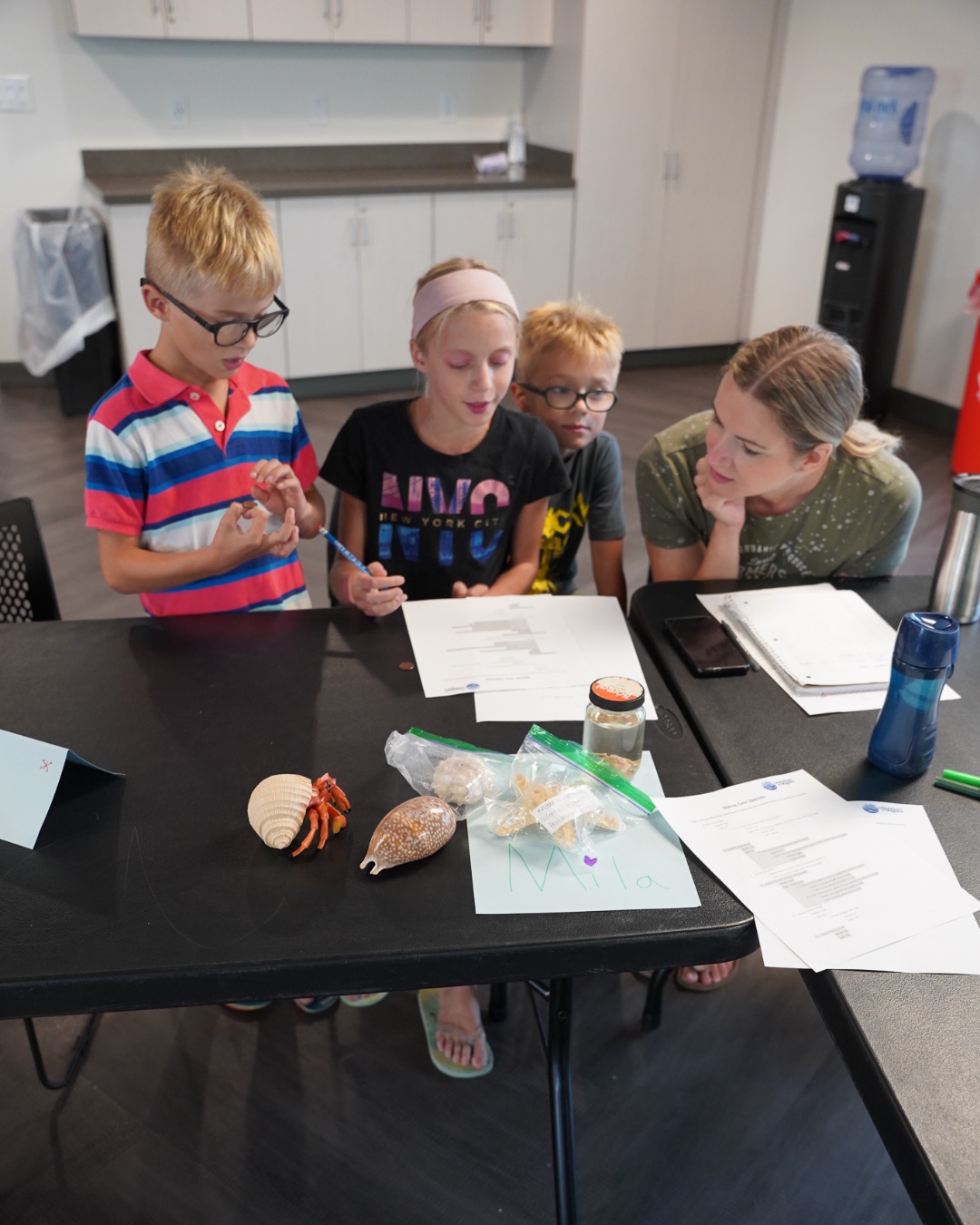
- The Aquarium’s variety of homeschool classes and their educational relevance.
- The integration of zoology and wildlife conservation in class topics.
- The importance of hands-on learning experiences in wildlife education.
- Strategies for parents to complement homeschool education with Aquarium classes.
- The role of the Aquarium in promoting environmental stewardship and awareness.
The Aquarium offers a rich and varied selection of homeschool classes, designed to enhance educational experiences for students of all ages. With classes held monthly, the Aquarium’s programs provide a structured yet engaging environment where learners can immerse themselves in the wonders of aquatic life and ecosystems. These classes significantly contribute to well-rounded homeschool curricula by delivering comprehensive content rooted in science education.
The curriculum for these classes often revolves around essential themes in zoology and wildlife conservation. Topics can range from marine biology and ecosystems to conservation techniques and species adaptations. For instance, students may explore the lifecycle of aquatic organisms, understanding how various factors influence their growth and survival. This kind of content is vital, as it helps learners establish a solid foundation in fundamental biological concepts and ecological principles.
Hands-on learning experiences form a crucial part of the Aquarium’s classes. Students often get the chance to participate in interactive demonstrations, which can stir curiosity and inspire further inquiry. Engaging directly with marine habitats via tanks, touch pools, and live demonstrations allows students to observe and analyze animal behaviors and environmental interactions firsthand. This experiential learning fosters a deeper understanding and appreciation for marine life, making the subject matter more relatable and impactful.
Parents can effectively complement their children’s academic journey by incorporating these Aquarium classes into their homeschooling approach. Many families find that these classes enhance traditional lessons with differentiated content and rich, immersive experiences. By doing so, learners can apply theoretical knowledge to real-world scenarios, bridging gaps and tying classroom lessons to ecological stewardship. Many parents also report that classes help their children develop critical thinking skills, as they analyze data, make observations, and draw conclusions based on scientific inquiry.
The Aquarium plays a significant role in promoting environmental stewardship and awareness among young learners. Education about marine ecosystems encourages respect for the environment and fosters a sense of responsibility toward wildlife conservation. Classes often cover endangered species and habitat loss, guiding students to understand the ecological and ethical implications of human activities on wildlife. This knowledge empowers them to advocate for sustainable practices in their communities.
Children frequently show increased engagement when learning about conservation topics due to the emotional connections formed with animals and habitats. Understanding the intricate relationships within aquatic ecosystems can inspire a lifetime of advocacy and passion for environmental protection. Curriculum components that emphasize these themes align seamlessly with broader educational goals, targeting critical thinking, empathy, and social responsibility.
The Aquarium’s homeschool classes also cultivate teamwork and collaboration skills. Oftentimes, students participate in group activities, facilitating peer interaction and cooperative learning. This collaborative atmosphere reflects real-world scientific endeavors, where teamwork is pivotal to successful research and conservation efforts. Thus, participating in these programs nurtures not only scientific knowledge but also important social competencies.
Additionally, the classes often incorporate technology and innovation in science education. Many programs utilize visual aids, digital resources, and interactive tools to capture student interest. This integration reflects modern educational trends, equipping learners with skills in technological literacy alongside their scientific understanding. Learning in a dynamic setting prepared for tomorrow’s challenges helps students adapt to an increasingly interconnected world.
Scheduling monthly classes helps families find a rhythm that works for their educational needs. Regular attendance not only reinforces knowledge but also builds a sense of community among homeschooling families. Participants often form long-lasting relationships that foster collaborative learning outside the classroom. This supportive environment can be especially beneficial for parents seeking encouragement and shared resources in their homeschooling journeys.
The inclusion of diverse age groups within these classes allows for age-appropriate learning experiences while also addressing varying knowledge levels. Each class is curated to accommodate children from different backgrounds, ensuring that every participant can benefit from the materials presented. This inclusion supports differentiated learning, allowing students to engage with content deliberately suited to their developmental stage.
Parents considering enrolling their children in Aquarium homeschool classes should recognize the value these programs add to an educational framework. Engaging with professionals in wildlife management deepens understanding of marine life and conservation, while classroom discussions enrich the learning atmosphere. Furthermore, introducing students to experts in the field can inspire future academic and career interests related to conservation and zoology.
Moreover, acknowledging the interdisciplinary approach of these classes enhances their benefits. Classes often intertwine elements of art, literacy, and environmental science, allowing for cross-curricular connections. Activities may involve writing creative stories based on marine animals, drawing habitat illustrations, or even conducting basic scientific experiments. This multifaceted approach can captivate diverse learning styles, ensuring that every child finds a way to connect with the material.
One crucial aspect of these Aquarium classes is the focus on fostering a scientific mindset in learners. By emphasizing observation, experimentation, and critique, students develop an appreciation for the scientific method. Understanding how to formulate hypotheses, collect data, and analyze results is essential for future endeavors in any scientific field. These skills can prepare students for advanced studies at higher levels of education, opening doors to career opportunities in zoology, environmental science, or marine biology.
The environmental themes prevalent throughout the curriculum also emphasize the importance of stewardship. Classes might address the impact of pollution, climate change, and overfishing, providing students with concrete examples of current critical issues. Engaging discussions surrounding these topics encourage reflections on personal responsibility and community action. By instilling values of conservation early on, the Aquarium contributes to developing future advocates for sustainable practices.
Accessibility is another vital consideration within the Aquarium’s homeschool programs. The institution strives to make learning opportunities available to a broad audience. This commitment ensures that various socio-economic backgrounds can access educational enrichment while fostering a love for wildlife and conservation.
Participating in Aquarium homeschool classes also prepares learners for possible field trips and extracurricular activities related to zoology and wildlife conservation. Students become equipped with fundamental knowledge that enhances engagement during outings, including visits to other educational institutions, nature reserves, or conservation programs. The Aquarium can serve as a springboard for further exploration, encouraging a lifelong passion for the natural sciences.
In summation, the Aquarium’s homeschool classes offer a remarkable opportunity to enrich academic pursuits rooted in zoology and wildlife conservation. This program combines interactive, hands-on learning experiences and knowledgeable instructors with a strong emphasis on environmental stewardship. These classes not only provide valuable content; they also foster essential skills and connections among homeschooling families.
By incorporating Aquarium homeschool classes into their educational journeys, families can unlock a deeper understanding of marine life. This commitment to education strengthens learners’ foundations while cultivating a sense of responsibility toward our planet and its ecosystems. The enduring relationship between the Aquarium and its students ultimately establishes a community dedicated to advocating for the sustainable health and protection of aquatic environments.
*****
Source Description
Did you know the Aquarium offers homeschool classes? Round out your homeschool curriculum with curated classes hosted right here at the Aquarium! Classes are offered monthly and are designed for all ages.
