
- The significance of Labor Day in American history and culture
- Overview of the Galapagos tortoise and its habitat
- Importance of zoos in conservation and education
- How individuals can contribute to wildlife conservation
- Activities and responsibilities of zoos on holidays
Labor Day is more than just a day off; it marks a historical recognition of the tireless efforts and contributions of American workers. Established in the late 19th century, this holiday honors the labor movement and its role in securing rights and protections for workers across the country. As we celebrate this day, we reflect not only on the achievements of those who came before us but also on the current landscape of labor and the importance of work-life balance.
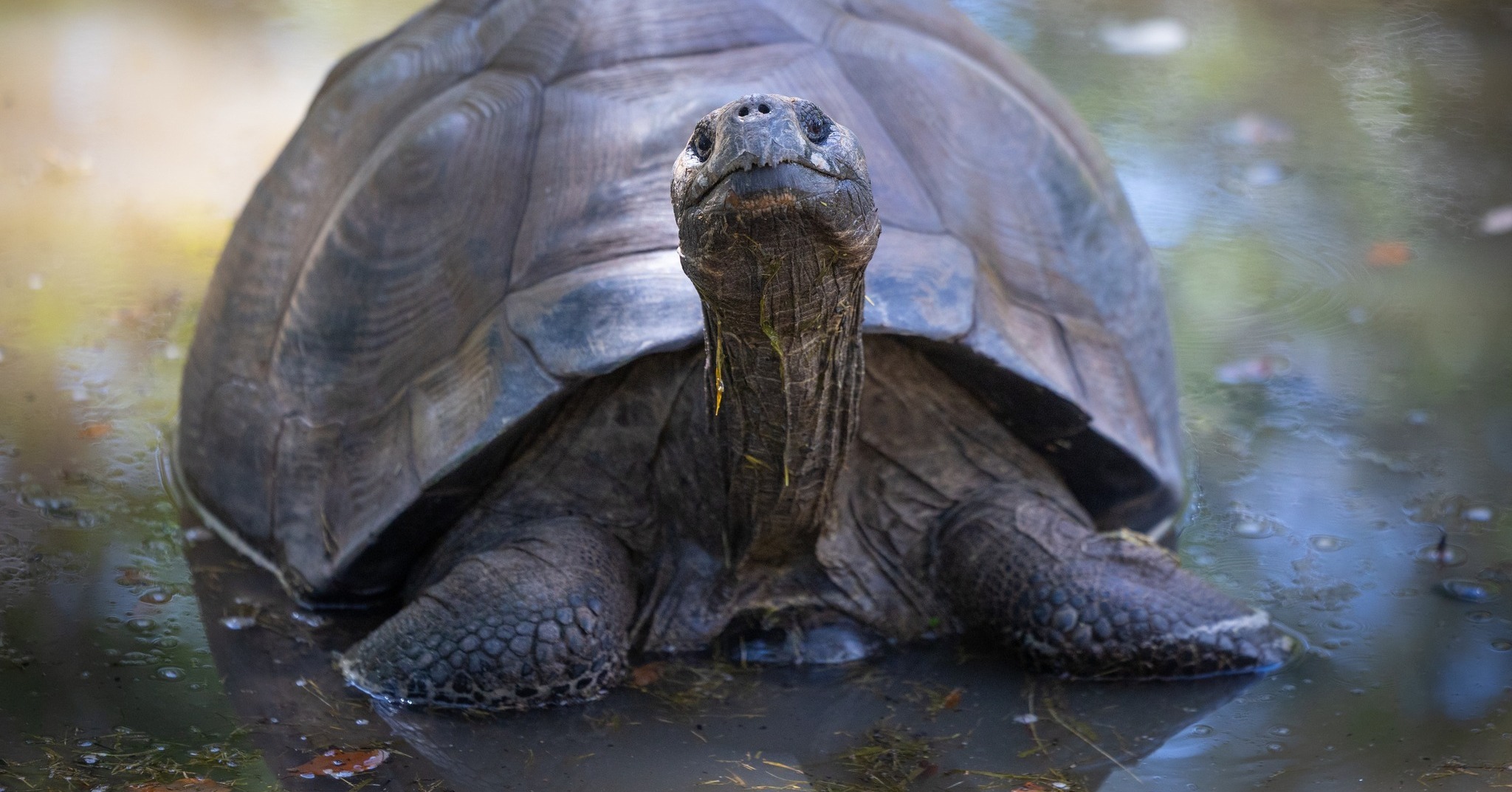
One fascinating example of the need for balance can be found in the natural world, particularly among the Galapagos tortoises. These majestic reptiles, indigenous to the Galapagos Islands, exemplify a life of simplicity and relaxation. They often bask in the sun or take leisurely swims, reminding us of the importance of taking breaks and recharging. Spanning a lifespan that can exceed 100 years, the Galapagos tortoise showcases a remarkable adaptation to its environment, thriving in a habitat that ranges from arid wastelands to lush tropical zones.
These tortoises primarily consume vegetation, utilizing their unique beak structures to reach high foliage or graze on low-lying plants. Such adaptations not only contribute to their survival but also highlight another aspect of labor: the natural rhythms of life in different ecosystems. Just as human labor is vital for economic stability, the ecological roles animals play are critical for maintaining biodiversity.
Zoos play a pivotal role in both conservation and education. On holidays like Labor Day, many zoos stay open, providing a safe space for families to engage with wildlife while learning about conservation efforts. Education is a key component of zoo missions. Many animals, including the Galapagos tortoise, are often featured in educational programs. These programs focus on the challenges these species face in the wild, including habitat destruction, climate change, and invasive species.
By interacting with animals up close, visitors foster a deeper appreciation for wildlife and the environment. This connection can inspire individuals to engage in conservation actions, whether it’s supporting local environmental organizations or participating in community clean-up initiatives. Every little action contributes to a broader movement aimed at preserving the delicate balance of our ecosystems.
Today, as we recognize Labor Day, we also acknowledge that zoos have responsibilities beyond mere recreation. Many institutions participate in breeding programs for endangered species, which not only helps augment populations in captivity but also aims to reintroduce animals into their natural habitats when feasible. Such efforts are essential in combating the alarming rates of species extinction observed worldwide.
In addition to their conservation roles, zoos work on intricate research projects that promote understanding of animal behavior and health. Fascinating studies have focused on social structures among various species, providing insights that guide habitat design and animal welfare practices. Modern zoos embrace an active role in global conservation strategies, collaborating with other organizations to address systemic issues affecting wildlife.
Labor Day serves as a reminder to all of us that relaxation is equally important as hard work. It’s a chance to observe how other species engage in their daily life routines, pausing to enjoy their environment. The Galapagos tortoise exemplifies this principle perfectly, with behaviors that teach us the significance of slow living in a fast-paced world.
If you visit a zoo today, you can explore these areas of education and conservation. With many institutions operating from 9:00 A.M. to 3:00 P.M., there is a unique opportunity to learn from trained staff and observe animals like the Galapagos tortoise in their habitats. Visiting during times like Labor Day not only supports the facilities but also raises awareness of the ongoing conservation efforts they undertake.
Behind the scenes, zoo staff work diligently to maintain not just the health of the animals but also the educational programs that inform the public. Caregivers, veterinarians, and educators collaborate to present a holistic approach to wildlife management. They develop interactive exhibits that provide informative experiences, allowing for greater community engagement.
On Labor Day, visitors can partake in special activities that highlight the importance of conservation. Events might include talks about various species, workshops about sustainable practices, or crafting activities for children that promote environmental awareness. Such initiatives bolster community involvement and generate interest in taking active roles in conservation efforts.
Wildlife conservation also intersects with social issues. Many communities are affected by decisions that impact natural resources. Understanding this relationship empowers individuals to advocate for policies that protect ecosystems. On holidays such as Labor Day, there is an increased emphasis on promoting local conservation efforts. Community gardens, local clean-up events, and wildlife preservation initiatives provide practical steps individuals can take for the environment.
In recognizing the labor of our workers, it’s equally important to acknowledge the labor of nature. The essential roles species like the Galapagos tortoise play in their ecosystems harmonize with the hard work of individuals striving for balance. Each tortoise contributes to seed dispersal, creating new growth in their habitats, which eventually supports other forms of wildlife.
Our connection to the environment is fundamental. Simple actions such as supporting sustainable products or becoming actively involved in conservation causes make a significant difference. Informed communities that understand the impact of their choices foster healthier ecosystems. On Labor Day, it’s our collective responsibility to think critically about our roles in preserving wildlife and nature.
As we celebrate the achievements of American workers past and present, let us not forget that every worker in the natural world plays a part in a larger system of life. Whether it’s the tortoise soaking in a serene pond or the colorful parrots in the trees, each creature contributes its share to ecological balance.
This Labor Day, take a moment to appreciate the hardworking animals around us while enjoying time with friends and family. Plan a visit to your local zoo, where you can enjoy a beautiful day while learning about the captivating world of wildlife firsthand. Engaging with nature is not just a leisure activity; it is an essential part of nurturing a culture of conservation.
The zoo remains open to provide knowledge and entertainment for those looking to spend their holiday wisely. The dedication of your local zoo to both education and the preservation of species demonstrates a commitment to making meaningful strides in wildlife conservation. By investing time into learning about the animals, like the Galapagos tortoise, and the vital roles they play, individuals can come together to cultivate a sense of stewardship for the world’s rich biodiversity.
In the larger context of Labor Day, consider the power of collective action. From labor movements in history to wildlife preservation efforts today, every step forward counts. Together, we celebrate not only the individuals contributing to society but also the myriad of species that enrich our planet. Participate, learn, and connect today as we honor all aspects of hard work, whether human or animal.
*****
Source Description
Happy Labor Day!
Today, we celebrate the hard work and dedication of American workers everywhere. Take a well-deserved break, recharge, and enjoy the day – you’ve earned it!
This Galapagos tortoise soaking in the water knows how to relax. 🐢💦
The zoo is open today from 9:00 A.M. – 3:00 P.M. (last entry at 2:30 P.M.), so come spend part of your holiday with us! 🌿
