
- Celebrating the role of mothers and mother-figures in animal care and conservation
- Understanding Equinox the alpaca and her role in the Farmyard
- The significance of maternal behaviors in wildlife
- The importance of animal education and public engagement in conservation efforts
- Strategies for effective zoo management and animal welfare
The act of honoring mothers and mother-figures is a universal acknowledgment of their contributions to nurturing life. This celebration extends beyond human families to the animal kingdom. At facilities dedicated to education and conservation, like zoos and wildlife parks, the role of maternal figures becomes pivotal in both animal care and environmental stewardship. Among these maternal figures, Equinox the alpaca stands out as a significant example of how nurturing instincts contribute to animal well-being and visitor engagement.
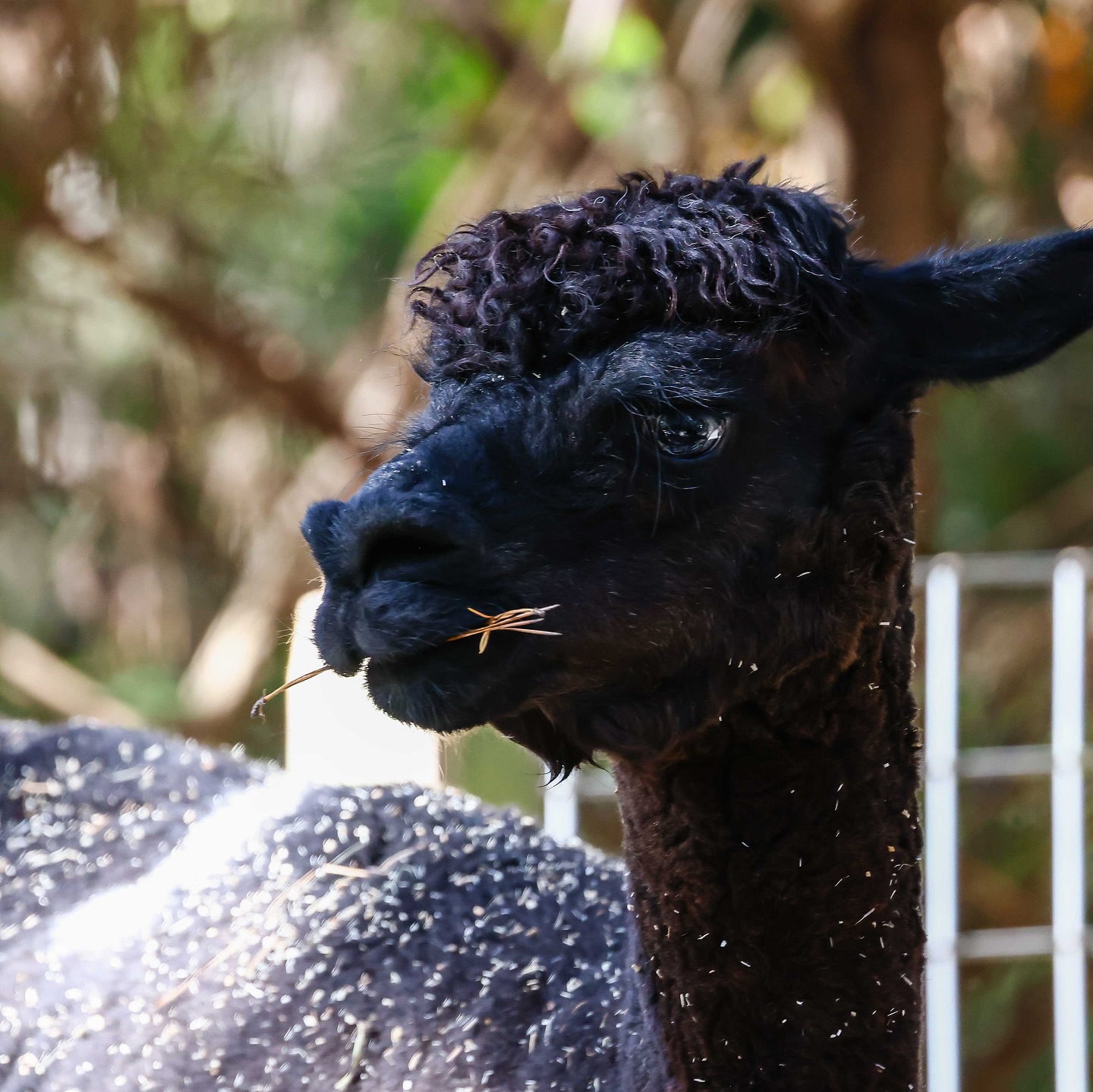
Equinox, an alpaca residing in the Farmyard, exemplifies maternal dedication as she cares for her cria, Emily. Watching this bond offers valuable insights into alpaca behavior and the overarching principles of zoo management. Interaction with animals like Equinox and Emily provides a tangible connection between our daily lives and the animal kingdom, enhancing public awareness and appreciation for wildlife.
When understanding the behavior of animals like alpacas, it is essential to consider maternal instincts. Alpacas are social, herd animals known for their gentle demeanor and strong family bonds. The nurturing role taken on by mothers is crucial not just for the survival of the young but also for the social structure of the herd. Maternal care in alpacas includes behaviors such as grooming, protecting, and teaching their offspring. Such actions contribute significantly to the emotional and physical development of the young alpacas.
Equinox’s nurturing role extends beyond Emily to other young animals in the Farmyard. Studies have shown that mother alpacas often assist in the socialization of cria with other herd members. The preservation of these behaviors is vital for the maintenance of species, especially considering the threats posed by habitat loss and climate change. Promoting and studying these natural maternal roles can provide invaluable insight for zoos committed to conservation practices.
Zoo management plays a significant role in ensuring that animals are provided with environments conducive to fulfilling their natural behaviors. Facilities dedicated to animal welfare increasingly prioritize species-specific care. This includes habitat design that mimics natural settings, social structures that allow for appropriate companionship, and management practices that respect the innate behaviors of animals.
At a zoo like the one featuring Equinox and Emily, daily operations involve creating enriching experiences for both animals and visitors. Animal care specialists assess the social dynamics within the enclosure to ensure each animal has the opportunity for positive interaction. For alpacas, this means allowing them to roam in social groups and engage in activities that reflect their natural behaviors. In this environment, mothers and their young can thrive, forming strong bonds that benefit the entire herd.
Furthermore, the educational role zoos play is indispensable in fostering an appreciation for wildlife. Visitors to the Farmyard not only observe Equinox and Emily but often receive guided explanations regarding alpaca behaviors, highlighting the importance of maternal care in wildlife. Engaging with the public through direct observations and interactive educational programs elevates the conservation message. By informing visitors about the significance of maternal figures in wildlife, zoos can inspire a new generation of conservationists.
As our communities face increasing threats to biodiversity, understanding the dynamics of animal care becomes crucial. Educating the public about maternal contributions to animal welfare positions species like alpacas as ambassadors for conservation efforts. By fostering empathy and respect for animals through storytelling—like that of Equinox and her cria—zoos can create advocates for the broader mission of wildlife preservation.
The importance of maternal behaviors extends beyond emotional support; it also encompasses critical survival strategies. In many species, the nurturing techniques employed by mothers can significantly increase offspring survival rates. For instance, research shows that cria that receive adequate maternal care early in life exhibit better growth and social skills, increasing their likelihood of reproducing successfully themselves. These findings not only underline the importance of mothers like Equinox but also highlight the interconnectedness of species within ecosystems.
Within the scope of zoo management, integrating animal welfare into conservation strategies is essential. It requires a multifaceted approach that includes habitat restoration, breeding programs, and sustainable practices. Facilities must also undertake research to understand animal behaviors and health better. By specializing in the needs of different species, zoos can create programs that enhance the lives of the animals in their care while contributing to scientific knowledge.
Zoologists and behaviorists utilize observational studies to inform best practices for maternal care. Various techniques, including behavioral enrichment and social grouping, can enable animals to express their natural behaviors authentically. Through this process, the zoo improves the quality of life for its residents while educating the public on the nuances of animal behavior.
Visitor engagement is another critical element of modern zoo management. Many institutions now implement programs that allow guests to participate in animal care activities, such as feeding or grooming sessions. Such experiences create memorable interactions that foster a deeper connection to conservation efforts. When visitors engage directly with maternal figures like Equinox, they develop a greater understanding of wildlife needs and the importance of empathy in animal care.
Public awareness of the challenges facing wildlife can lead to more substantial commitments to conservation efforts. As individuals learn about the struggles maternal figures endure in the wild, from habitat destruction to poaching, they are often moved to take action. Zoos can help translate this emotional connection into tangible support for various conservation initiatives, whether through educational campaigns, fundraising, or cooperative projects with wildlife organizations.
In light of increasing human encroachment, understanding the importance of sustaining maternal roles in wildlife becomes ever more urgent. Habitat loss and climate change are among the most pressing issues facing numerous species. As ecosystems collapse, the nurturing behaviors that once ensured survival are threatened. Zoos have the responsibility to advocate for conservation policies that protect these environments, ensuring that future generations of mothers, like Equinox, can nurture their young in their natural habitats.
Continued research into animal behavior, coupled with successful breeding programs, can offer a glimmer of hope for threatened species. When zoos prioritize animal welfare and engage with mothers like Equinox, they recognize the profound impact these maternal figures have on the survival of their species. Educating the public about these relationships can inspire collective action required to maintain biodiversity.
With modern zoo management strategies incorporating tiered conservation practices, the scope of animal welfare extends far beyond the confines of the zoo itself. It reaches into wild habitats where human intervention can bolster the survival of various species. By investing in wildlife corridors, rehabilitation programs, and community outreach initiatives, zoos contribute to the broader narrative of wildlife conservation.
Visiting the Farmyard offers not just an opportunity to observe animals like Equinox and Emily, but also a chance to engage with their stories. Witnessing maternal interactions creates an emotional resonance that can prompt a change in perspective regarding our collective responsibility to protect wildlife. As we honor the contributions of mothers and mother-figures in both our lives and the animal kingdom, the lessons learned from these interactions shape a path forward for conservation efforts.
Engagement with animals like Equinox teaches us the value of nurturing relationships, inspiring a sense of responsibility toward all living beings. The bond between mothers and their young transcends species, reminding us of the universal principles of love and care that apply to all forms of life. By cultivating empathy through educational experiences and advocating for the conservation of wildlife, we create a more harmonious coexistence between humans and animals, enriching our shared planet for future generations.
*****
Source Description
This we honor the moms and mother-figures who help make the world go round, including Equinox the alpaca who is mother to Emily (lying down)! 🧡🦙
Visit Equinox and Emily (and Ray) in the Farmyard, open daily.
