
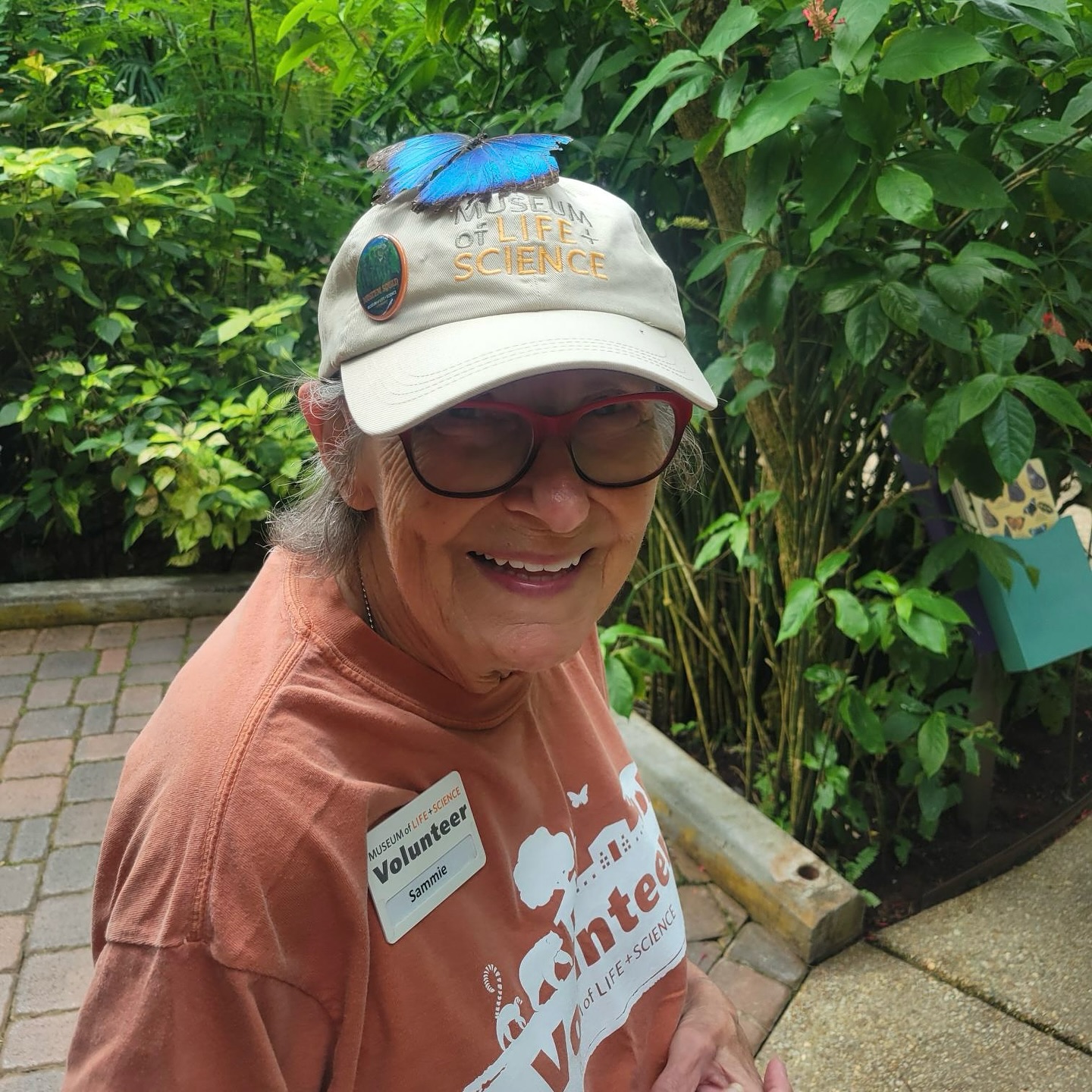
- The vital role of volunteers in museum operations and visitor engagement.
- The diverse contributions of different volunteer groups, including schools and community organizations.
- The impact of volunteering on personal development and community building.
- The connection between volunteering, wildlife conservation, and environmental education.
- How volunteers help create a welcoming environment for diverse audiences.
Volunteers are integral to the functioning and success of any museum. Their contributions help foster an environment where learning, exploration, and growth can take place. This is particularly true in the context of museums focused on zoology and wildlife conservation. Volunteers bring their time, energy, and enthusiasm to various areas, enhancing the visitor experience and promoting awareness about wildlife and conservation efforts.
In daily operations, volunteers play a significant role by guiding tours, leading educational programs, and assisting with exhibits. This involvement not only enriches the experience for museum-goers but also builds a connection between the community and the natural world. Each interaction volunteers facilitate is an opportunity to educate visitors about the importance of wildlife conservation and the necessity of preserving biodiversity.
Different volunteer groups contribute in distinctive ways. Schools send students who are eager to learn and share their knowledge, bringing fresh perspectives and energy. Community organizations often have members who are passionate about conservation and education. These volunteers come together to offer a wide range of skills, from event planning to animal care, each enhancing the operational capabilities of the museum. This cooperation between various groups creates a vibrant atmosphere where ideas can flourish and collaboration is encouraged.
The act of volunteering fosters personal development. Volunteers gain a variety of skills, from public speaking and teamwork to time management and problem-solving. These experiences facilitate not just professional growth but also personal fulfillment. Many volunteers find a sense of purpose in their roles, feeling they are contributing positively to society. This engagement leads to stronger community ties as individuals work collaboratively towards common goals, learning about each other’s strengths and values in the process.
Volunteers also serve a critical role in promoting wildlife conservation. Museums often play a pivotal role in educating the public about environmental issues and the need for sustainable practices. Volunteers involved in these initiatives raise awareness about endangered species, habitat destruction, and the importance of conservation efforts. They engage visitors of all ages, transforming complex scientific concepts into relatable discussions that empower the public to take action in their own lives. By bridging the gap between scientific research and public understanding, volunteers help facilitate critical conversations on biodiversity and conservation.
Creating a welcoming environment is essential for successful volunteer engagement. A museum thrives when the space is accessible and inviting for all visitors. Volunteers are often the first point of contact guests have with the museum. Their warm greetings and knowledgeable interactions establish a strong foundation for an educational visit. Volunteers represent the institution’s commitment to inclusivity, ensuring that guests from diverse backgrounds feel valued and welcome.
Educational programs led by volunteers help ensure that everyone can connect with nature. Group activities and workshops foster community spirit and facilitate learning through hands-on experience. This interactive approach not only immerses participants in the subject matter but also inspires confidence in their ability to engage with complex topics related to zoology and ecology.
Through their contributions, volunteers reinforce the museum’s mission to inspire curiosity and respect for the natural world. They serve as educators and advocates for wildlife conservation, making preservation an accessible topic for discussions. This dedicated engagement encourages active participation in conservation initiatives, empowering individuals to become custodians of their local environments.
The importance of collaboration cannot be overstated. Volunteers work alongside museum staff, creating a synergistic effect that enhances operational efficiency. Staff often mentor volunteers, sharing knowledge and providing training that enriches the volunteers’ experience. This partnership promotes ongoing learning, ensuring that both volunteers and staff remain informed about the latest research in zoology and conservation.
Various community partnerships enrich what the museum can offer. Collaborating with local universities, wildlife organizations, and expert researchers allows for a diverse exchange of knowledge. These partnerships broaden volunteer opportunities, and volunteers can participate in specialized training sessions that cover topics relevant to conservation efforts. This on-the-ground knowledge is vital for successful engagement with visitors, as it provides them with current, relevant information.
Youth volunteering programs play a pivotal role in connecting the younger generation to issues of wildlife conservation. By involving students in museum activities, we foster a sense of responsibility towards the environment. Young volunteers have the opportunity to participate in educational workshops, where they learn about animal care and conservation practices. This early exposure cultivates a lifelong appreciation for nature and encourages them to advocate for sustainability in their communities.
Volunteering can be especially beneficial in the context of museum events. Whether it’s an annual gala, educational festival, or outreach program, volunteers help coordinate logistics, engage visitors, and create a fun atmosphere. Their ability to connect with guests contributes to a positive overall experience. The enthusiasm of volunteers can transform an ordinary event into a memorable occasion, sparking curiosity about the museum’s mission and creating lasting impressions.
The museum becomes a learning hub, thanks to the diligent efforts of volunteers. It is a space where people of all ages can come together, share knowledge, and expand their understanding of the natural world. Visitors leave with a heightened awareness of the role they play in the ecosystem, driven by the compelling narratives shared by dedicated volunteers.
Volunteers also play a part in the collection and exhibition process. Many assist with organizing exhibits, providing insight into how to make displays more relatable and engaging. They often help with research that enhances the educational value of exhibits. This crucial behind-the-scenes work helps ensure that the museum’s mission is reflected in every visitor interaction.
Furthermore, conservation initiatives often rely on the direct support of volunteers. They participate in fieldwork, helping gather data and monitor wildlife populations. By assisting scientists in the field, volunteers gain a first-hand understanding of the challenges facing wildlife today. This practical experience deepens their commitment to advocacy and outreach.
Data collected through volunteer programs can inform future conservation efforts. Accurate records help track biodiversity trends and assess the efficacy of various conservation strategies. Volunteers may also participate in citizen science projects, contributing valuable information that helps guide research and policy decisions.
To illustrate the tangible impact of volunteering, consider the results from recent conservation programs. Volunteers have assisted in habitat restoration efforts, helped with species monitoring, and contributed to educational outreach. The cumulative effect of these efforts results in healthier ecosystems and increased community awareness regarding environmental stewardship.
The mutual benefits of volunteering extend beyond the immediate impacts on the museum and the projects it undertakes. Volunteers often report increased satisfaction in their lives, newfound friendships, and stronger community ties. They find themselves inspired to continue their involvement, inviting friends and family to participate in their programs. This expanding network helps disseminate the message of conservation further and faster.
Through a commitment to wildlife conservation, volunteers help museums become pivotal platforms for education and engagement. Their volunteerism supports ongoing research efforts and fosters a deeper understanding of the intricate connections between humans and wildlife. Volunteers not only provide the manpower to keep operations running smoothly; they serve as passionate advocates and essential facilitators of conservation efforts that resonate with the public.
Thanks to our fantastic volunteers, the museum landscape transforms. They create an inviting space for exploration and education, bringing communities together around issues that matter. Their actions influence future generations, nurturing a culture of environmental awareness and respect. In this way, volunteering serves as a fundamental pillar of education, conservation, and community enrichment.
The synergy among visitors, volunteers, and staff ultimately leads to a more profound appreciation for wildlife and the natural world. Their collective efforts ensure that every visitor leaves with a greater understanding and respect for the ecosystem. The museum stands not only as a place to learn but also as a community hub dedicated to fostering understanding, inspiring change, and leading conversations around conservation.
*****
Source Description
Today and every day we celebrate fantastic volunteers who bring their time, energy, and passion to the Museum! 🧡
We simply couldn’t do it without the dedication and enthusiasm of both our daily Museum volunteers and the many groups, schools, and community partners.
Thank you so much for helping us create a space where people of all ages can explore, learn, grow, and have fun together.
