
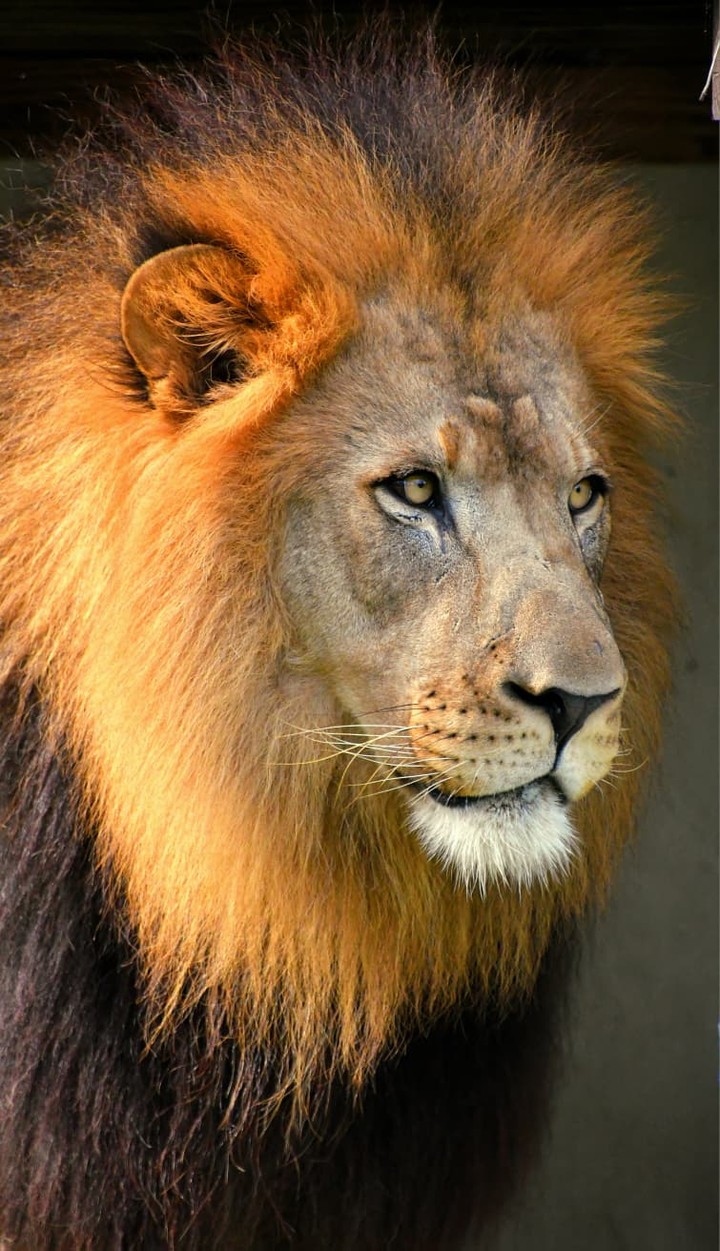
- The significance of Veterans Day and its historical context
- The importance of expressing gratitude to veterans daily
- How military service intersects with wildlife conservation efforts
- Contributions of veterans to zoo management and animal welfare
- The role of public awareness in supporting both veterans and wildlife conservation initiatives
Veterans Day is a solemn occasion in the United States, observed annually on November 11. This day honors all military veterans who have served in the U.S. Armed Forces, encompassing those who served in wartime as well as peacetime. Established as Armistice Day to commemorate the end of World War I, its focus shifted from solely recognizing veterans of that conflict to acknowledging all individuals who have bravely served. The day is a reminder of the sacrifices made by these individuals, and it serves as a call for citizens to reflect on their contributions to society.
Acknowledging veterans goes beyond a single day of celebration. Gratitude for their service should be expressed every day, as countless service members return to civilian life facing various challenges. These challenges often include mental health issues, physical disabilities, and difficulties in reintegrating into a rapidly changing society. Offering support, whether through community programs or simple acts of kindness, can have a profound impact. Communities are encouraged to rally behind veterans and to foster environments where their contributions are recognized and appreciated regularly.
Interestingly, the themes of service and dedication manifest in numerous sectors, including wildlife conservation. Many veterans translate their skills and experiences from military service into careers in environmental stewardship and animal welfare. Their training often includes discipline, teamwork, and a deep sense of duty, all of which can align with conservation goals. For instance, veterans involved in wildlife protection demonstrate commitment not only to their fellow citizens but also to ecological integrity. Projects that involve land restoration or wildlife habitat management often benefit from the strong work ethic and problem-solving abilities veterans possess.
As we explore the intersection of military service and wildlife conservation, it’s essential to highlight specific initiatives where veterans have made significant strides. For example, several organizations recruit veterans for conservation projects that aim to restore ecosystems and preserve endangered species. These programs often facilitate a sense of purpose and community, serving dual goals: fostering recovery for veterans and advancing wildlife protection efforts.
Veterans also play vital roles in zoo management, where their unique skills can contribute significantly to animal care and conservation education efforts. Many modern zoos prioritize ethical treatment of animals, habitat preservation, and public education. Veterans’ backgrounds in training, logistics, and leadership are invaluable in these settings. They can offer insights and methods for ensuring animals are managed effectively while engaging the public in meaningful ways about environmental issues. Training programs and workshops often benefit from their military experience, which emphasizes collaboration and instruction.
Engaging the public is paramount to successful conservation and veteran support initiatives. Awareness campaigns serve to highlight both the struggles faced by veterans and the importance of wildlife conservation. By fostering connections between these issues, communities can cultivate understanding and invoke action among citizens to support both veterans and wildlife. Educating the public about the challenges veterans face can inspire people to participate in support programs, wildlife conservation efforts, or even volunteer at local zoos.
As the connection between veterans and conservation becomes increasingly recognized, more organizations are launching initiatives to facilitate collaboration. Programs such as “Veterans for Wildlife” exemplify this integration, training veterans in wildlife rehabilitation skills and habitat advocacy. These initiatives showcase how military discipline and skills can benefit wildlife conservation while offering veterans meaningful opportunities for engagement and social connection.
Additionally, the complex relationships between human activities and wildlife require attentive public involvement. The implications of habitat loss and climate change affect both animal species and veterans adapting to new civilian environments. By addressing wildlife issues within community discussions about veterans, governments can promote comprehensive solutions that account for both human and ecological well-being.
Moreover, educational institutions are beginning to recognize the potential symbiosis between military service and conservation. Programs that specifically address this intersection are increasingly being introduced, fostering a new generation of leaders committed to both environmental welfare and veteran advocacy.
Veterans Day and the recognition of veterans should remind society of the broader context of service — not just to one’s country but to community stability and environmental health. Each time individuals express appreciation for veterans, it is vital to link this sentiment to broader social and environmental responsibilities. The ongoing battles some veterans face can mirror the struggles of many endangered species and habitats that also require support and protection.
The importance of public awareness cannot be underestimated. Media campaigns, school curriculums, and community events can play significant roles in fostering understanding of the shared challenges faced by veterans and wildlife. Educational programs in schools can incorporate lessons on both military service and environmental stewardship, encouraging young people to engage in community efforts that honor veterans and protect wildlife.
The motivations behind conservation efforts often align with the values veterans uphold. The notion of protecting what is sacred — whether a national park or a fellow soldier — resonates deeply with those who have served. Many veterans grow to appreciate the beauty of nature and find restorative solace in natural settings, further intertwining their narratives with the mission of wildlife conservation.
The commitment to service exhibited by veterans reinforces crucial lessons in resilience and strength. These principles can inspire community involvement in wildlife preservation. Partnerships between veteran organizations and wildlife conservation groups not only benefit wildlife; they also create avenues for personal growth, rehabilitation, and community belonging among veterans.
In promoting gratitude and awareness surrounding both veterans and wildlife, society must also address the underlying issues of mental health and environmental degradation. Programs that support rehabilitation for veterans through nature-based therapies or animal-assisted activities reveal the profound connections between the two fields. Nature’s healing properties can serve as an antidote for many veterans coping with trauma while simultaneously fostering greater appreciation for wildlife.
Encouraging collaboration among different sectors leads to innovative solutions for both veteran support and wildlife conservation challenges. Strong partnerships between community leaders, conservationists, and veteran organizations can create programs that address various needs. This collaboration builds a mutual understanding of challenges while fostering comprehensive strategies that leverage collective expertise.
Veterans Day offers an annual opportunity to reflect on the contributions of those who served. However, gratitude should not be confined to a single day. Ongoing support for veterans translates into community service that acknowledges and nurtures the vital intersections between military service and wildlife conservation. Engaging the public in these discussions can inspire more actions to preserve both human and ecological communities.
The rich tapestry of connections between military service and conservation calls for a collective commitment from society. As citizens recognize the sacrifices of veterans, they must also acknowledge the shared responsibility of caring for the planet and the invaluable role wildlife plays in our ecosystems.
In fostering these connections, communities will find strength in collaboration, ultimately paving the way for a more aware and engaged populace. This is a call to action: honor veterans not only through acknowledgment but by actively participating in efforts that also protect our wildlife and natural heritage.
*****
Source Description
On Veterans Day, and every day, we are grateful to all those who serve or have served. Thank you for your service!
