
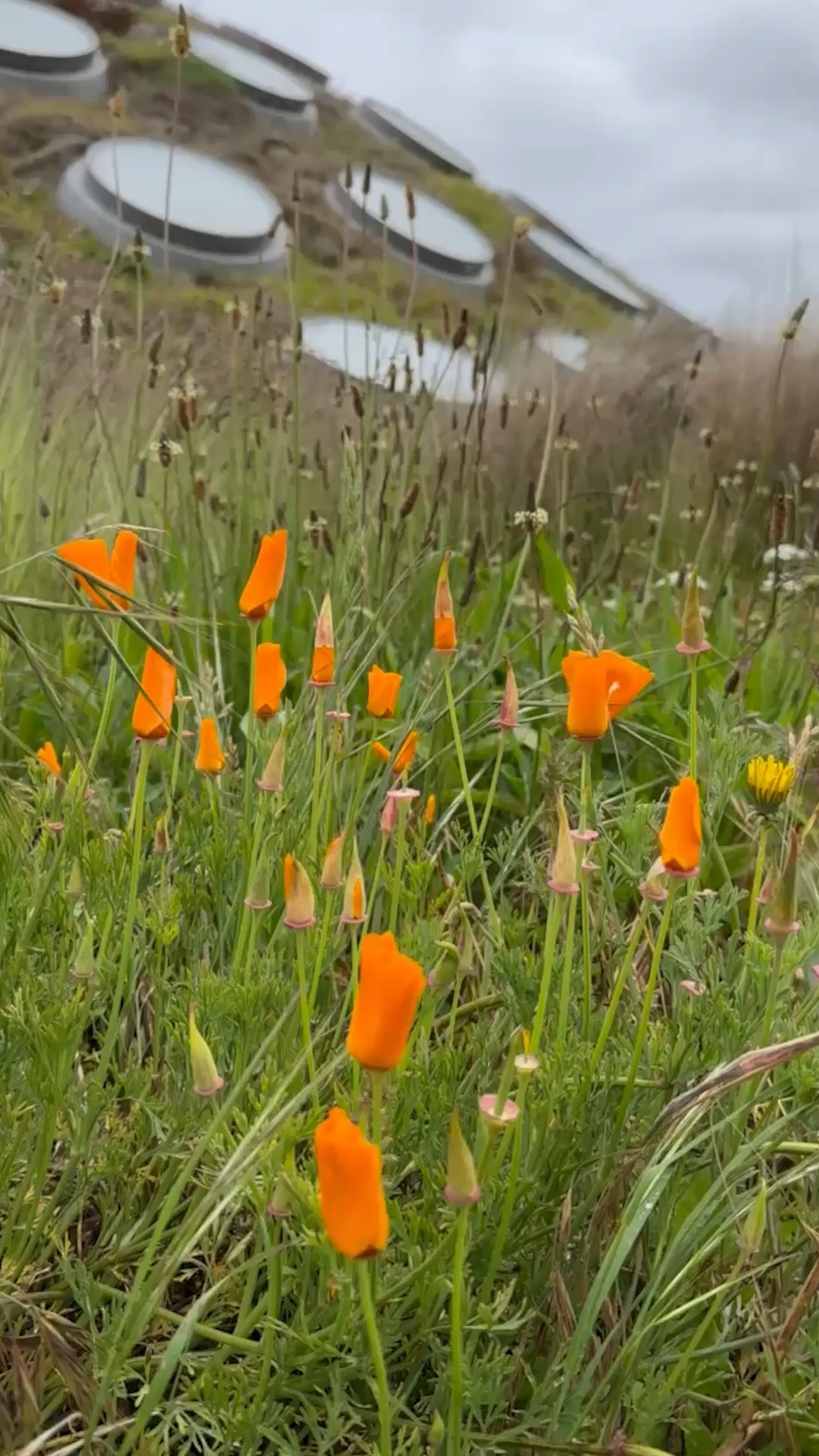
- The rise of climate hopecore in environmental discourse.
- Key principles of climate hopecore and its relevance.
- The impact of climate hopecore on conservation efforts.
- Community engagement and grassroots movements through climate hopecore.
- Practical steps individuals can take to promote climate hopecore ideals.
Climate hopecore represents a refreshing approach to discussions surrounding climate change, emphasizing optimism and actionable solutions amidst overwhelming challenges. As we face a climate emergency characterized by extreme weather events, habitat loss, and species extinction, it becomes essential to not only recognize the crises but also to foster hope and mobilize collective action. This philosophy encourages communities to focus on possibilities rather than despair, which can catalyze positive change.
The rise of climate hopecore signifies a shift in how we communicate about environmental issues. Social media platforms have played a crucial role in this transformation, allowing activists, scientists, and individuals to share stories of resilience and success. Through posts, hashtags, and shared experiences, climate hopecore has made environmental activism more approachable. This movement incorporates not only scientific research but also anecdotal evidence of positive environmental change, fostering a sense of coherence and unity among diverse groups.
Key principles of climate hopecore center on collaboration, innovation, and education. Collaboration is essential because no single entity can address climate change alone. By pooling resources and knowledge, communities can tackle specific environmental problems more effectively. This collective approach fosters a sense of shared responsibility among community members, reinforcing the notion that everyone has a role to play.
Innovation plays a crucial role in this climate narrative. New technologies, sustainable practices, and regenerative methods in agriculture and land management are pivotal. They energize community members, showing them tangible steps they can take to mitigate climate impacts. This principle also extends to wildlife conservation. Cutting-edge biomonitoring technologies, for example, can help track animal populations in real-time, enabling more effective species recovery efforts.
Education is fundamentally intertwined with climate hopecore. Engaging storytelling, informative campaigns, and easy-to-understand resources can help bridge the gap between scientific communities and the general public. By focusing on the personal connection individuals have with their local environments and wildlife, climate hopecore effectively communicates the urgency of the crisis without resorting to fear. Simple messages about the importance of pollinators, for instance, can encourage local conservation efforts. Each individual action, however small, adds up, inspiring others to join the movement.
The impact of climate hopecore on conservation efforts cannot be overstated. By guiding public sentiment toward a more hopeful outlook, this approach provides a powerful force for advocacy. Conservation organizations have found new pathways to engage the public in meaningful dialogues. Collaborative projects that focus on restoring degraded ecosystems or protecting endangered species often attract individuals eager to contribute positively to their surroundings.
Social media has heightened the influence of climate hopecore on conservation programs. Visual storytelling through platforms like Instagram captivates audiences and illustrates real-world impacts. When people witness heartening successes — such as a local wildlife sanctuary rehabilitating injured animals or a community coming together to plant trees — they are more likely to become advocates themselves. These initiatives cultivate a sense of community and inspire others to join, creating a ripple effect around the world.
Community engagement flourishes under the climate hopecore banner. Grassroots initiatives that incorporate local voices and address specific regional challenges demonstrate the movement’s adaptability. For instance, community clean-up days, habitat restoration projects, and educational workshops can invigorate public interest. Local individuals are more likely to invest time and resources when they see personal benefits or understand how changes impact their neighborhoods. Grassroots movements highlight the idea that communities can initiate change from the ground up.
An essential component of community engagement is forging partnerships between local governments, nonprofits, schools, and businesses. These collaborations can amplify resources and results. Through effective communication, diverse groups can share insights, create synergies, and encourage a wider base of participation. Social cohesion that arises from working toward a common goal is vital in combating apathy toward environmental challenges.
Individuals play a critical role in promoting climate hopecore ideals. While the systemic efforts of corporations and governments are necessary, personal action is invaluable. Simple changes in daily routines can contribute significantly to sustainability. For example, reducing single-use plastics, opting for public transportation, or supporting local food systems can minimize individual carbon footprints. Empowering people with knowledge about environmentally friendly choices can lead to broader cultural shifts.
Encouraging active participation in local conservation groups can amplify the hopecore philosophy. Volunteering time for wildlife rehabilitators or participating in citizen science projects can deepen one’s understanding of ecological systems. Forming or joining community-led initiatives can help cultivate lasting relationships among participants and further foster a commitment to environmental stewardship. Understanding the signs of climate change in everyday life—eroding shorelines, declining pollinator populations, or changing migration patterns—can also prompt individuals to take action.
Connecting the emotional and practical elements of environmental engagement speaks to the core of climate hopecore. People are often motivated more by emotional resonance than by logical argumentation alone. By sharing narratives of hope, resilience, and communal effort, we enhance users’ emotional investment in the environmental discourse. In turn, this emotional connection fosters both individual and collective actions, making the climate challenge not merely a data issue but one rooted in shared values and experiences.
Climate hopecore promotes a culture of optimism grounded in scientific realities. As communities navigate the complexities of environmental conservation, blending hope with pragmatic actions can transcend negative messaging and apathy. This approach retains a focus on biodiversity and ecological integrity while building momentum toward sustainable practices.
Embracing climate hopecore means recognizing the role of our ecosystems and their intrinsic value. Biodiversity is critical in maintaining ecosystem functions that support human life, such as clean air, water filtration, and pollination. Protecting various species through conservation methods benefits not only the natural world but also human well-being. As stewards of the environment, individuals can contribute to preserving these invaluable resources.
For organizations, leveraging the climate hopecore mindset creates opportunities for broader outreach and engagement. Campaigns that emphasize positive results rather than catastrophic outcomes invite participation and collaboration. Sustainability and conservation messages should spotlight success stories and empowering actions — such as innovative conservation techniques or thriving wildlife populations in protected habitats — to inspire motivated stewardship.
Effective communication strategies are also essential for implementing climate hopecore efforts. Partnering with social media influencers or established advocacy groups can help circulate messages. Tailoring materials to specific audiences, particularly younger generations, can maximize engagement. Interactive workshops and events foster a sense of community and collaboration, igniting passion and a willingness to participate.
The climate crisis is indeed severe; however, infusing discussions with hope creates a powerful shift. The potential for collective action and community power represents a transformative pathway toward addressing the pressing issues that threaten our planet. Building networks of local, passionate individuals and galvanizing innovative solutions will craft a blueprint for sustainable living.
By centering discussions on actionable, hopeful narratives, climate hopecore equips individuals with the knowledge and confidence to contribute positively to the environment. As the movement continues to flourish, it generates momentum necessary for the sweeping changes needed to address climate challenges genuinely. Engaging with these themes fosters resilience in our response to climate breakdown, forming a framework for a sustainable future.
In these trying times, the message is clear: climate hopecore is not merely a trend; it is a lifestyle rooted in hope, community interaction, and scientific integrity. Embracing these principles will usher in an era of renewed commitment to sustaining the environments we cherish.
*****
Source Description
A little climate hopecore for your feed in these trying times. ☀️
