
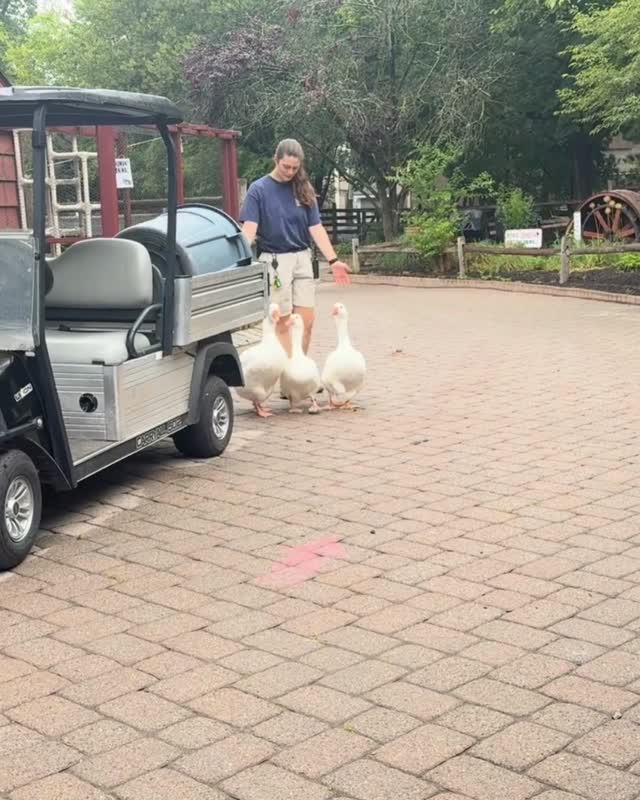
- Understanding the daily routine of geese in captivity
- The role of zookeepers in wildlife management
- The importance of natural behaviors for geese
- Strategies for promoting health and well-being in zoo animals
- Conservation efforts and their impact on geese populations
Geese are fascinating creatures with complex social structures and behaviors. At zoos, they often embody routines that mimic their wild counterparts, contributing positively to their health and well-being. One of the daily highlights is when zookeepers let the geese out of the barn and guide them to their pasture for the day. This seemingly simple task is rooted in a host of scientific understanding and best practices in animal management.
The daily routine begins early in the morning. Zookeepers carefully plan the activities surrounding the release of the geese. The first task is to ensure that the animals are healthy and ready for their day outside. Regular check-ups are crucial to rule out any health problems that could interfere with their foraging or social activities. Zookeepers look for signs of distress, illness, or injury that may require veterinary attention. This proactive approach not only promotes better health for individual birds but also uplifts the entire group.
Once the preliminary check is complete, zookeepers open the barn doors and guide the geese to fresh grass. This action mimics natural conditions wherein geese move from protected areas to explore and forage. This behavior is important; in the wild, geese follow specific grazing patterns, moving to different pastures based on grass availability, weather, and environmental conditions. By replicating this behavior, zookeepers help maintain the geese’s instinctive habits. These natural behaviors are essential for the physical and psychological health of the birds.
The foraging process provides geese with a varied diet, offering essential nutrients. Grass, seeds, and aquatic plants contribute to their nutritional needs. Allowing geese to engage in natural foraging reduces stress and supports their mental engagement. Research indicates that animals engaging in familiar, species-specific activities are less likely to develop behavioral problems. This understanding reinforces the importance of not just providing food, but allowing for the act of searching and choosing food items.
Furthermore, the act of foraging leads geese to actively interact with their surroundings. This interaction plays a vital role in developing their cognitive functions. As they navigate the pasture, they also engage in social behavior with other geese, which is fundamental for their emotional health. Social interactions can include grooming each other or establishing a pecking order, behaviors that are essential in geese culture.
As the afternoon approaches, zookeepers gradually guide the geese back to the barn. This return journey is just as significant as the morning outing, as it reinforces the idea of safety and structure. At certain points in their daily routine, geese experience environmental dangers, such as predators. A consistent return to a secured shelter fosters a sense of safety and routine. This behavior echoes findings in animal psychology that emphasize how predictable environments contribute to reduced anxiety in creatures of various species.
Returning to the barn also allows the geese to rest and recuperate from their active day. Rest is critical for physiological recovery and helps prevent fatigue or stress. During this time, the geese engage in preening, which not only helps maintain their feathers but also serves as a calming activity. The importance of rest cannot be overstated—it promotes optimal health and prepares them for the next day’s activities.
The daily patterns that zookeepers establish for the geese are guided by principles in animal welfare. Good animal husbandry goes beyond just feeding and shelter—it encompasses the entire lifestyle of the animals. Zookeepers must approach their work from a comprehensive perspective, considering food, space, socialization, and emotional well-being. This holistic understanding fosters an environment where the geese can thrive physically and mentally.
In addition to their roles in immediate care, zookeepers also play a part in broader conservation efforts. Many species of geese face challenges in the wild due to habitat loss, climate change, and human activities. By maintaining healthy populations in captivity, zoos contribute to conservation breeding programs. These programs are critical for preserving genetic diversity, especially for species that are endangered or at risk. They aim to reintroduce healthy birds into their natural habitats whenever possible, thus supporting overall population recovery.
Educational programs about geese and their natural habitats are increasingly important in zoos. These programs raise awareness of the challenges faced by wild geese and the steps everyone can take to contribute to conservation efforts. By informing the public, zoos empower individuals to advocate for policies that protect natural habitats and support wildlife preservation. Knowledge dissemination also builds a cultural appreciation for wildlife, fostering respect and understanding.
The care provided to the geese in captivity offers valuable insights into their wild behavior. The more we understand their needs—be it through proper nutrition, space to roam, social interactions—the better equipped we are to assist in their conservation. Every small detail counts. For instance, understanding their migratory patterns allows zookeepers to create environments that mimic seasonal changes or other aspects of their natural habitat.
In conclusion, the daily journey of geese from barn to pasture encapsulates a much larger narrative about animal care and wildlife conservation. Zookeepers not only provide a safe environment but also play an essential role in facilitating natural behaviors that promote holistic well-being. Observations gathered from these routines can be instrumental in ensuring the long-term health and survival of geese both in captivity and in their native environments.
Through responsible management and education, we can advocate for a future where both captive and wild geese flourish. It is essential to realize that every interaction we have with animals—be it through direct care, educational outreach, or conservation initiatives—has the potential to shape their future and that of the ecosystems in which they live. Always striving for improved practices will lead to better outcomes for wildlife, which, in turn, supports a more balanced ecosystem for all.
*****
Source Description
Ever wonder how our geese get to their pasture? The zookeepers let the geese out of the barn and slowly guide them to the pasture for the day. They waddle their way to fresh grass which encourages natural foraging and helps mimic the grazing patterns wild geese would follow. Then they are guided back to the barn in the afternoon for safety and rest! This routine supports their health and natural behaviors! 🪿
