
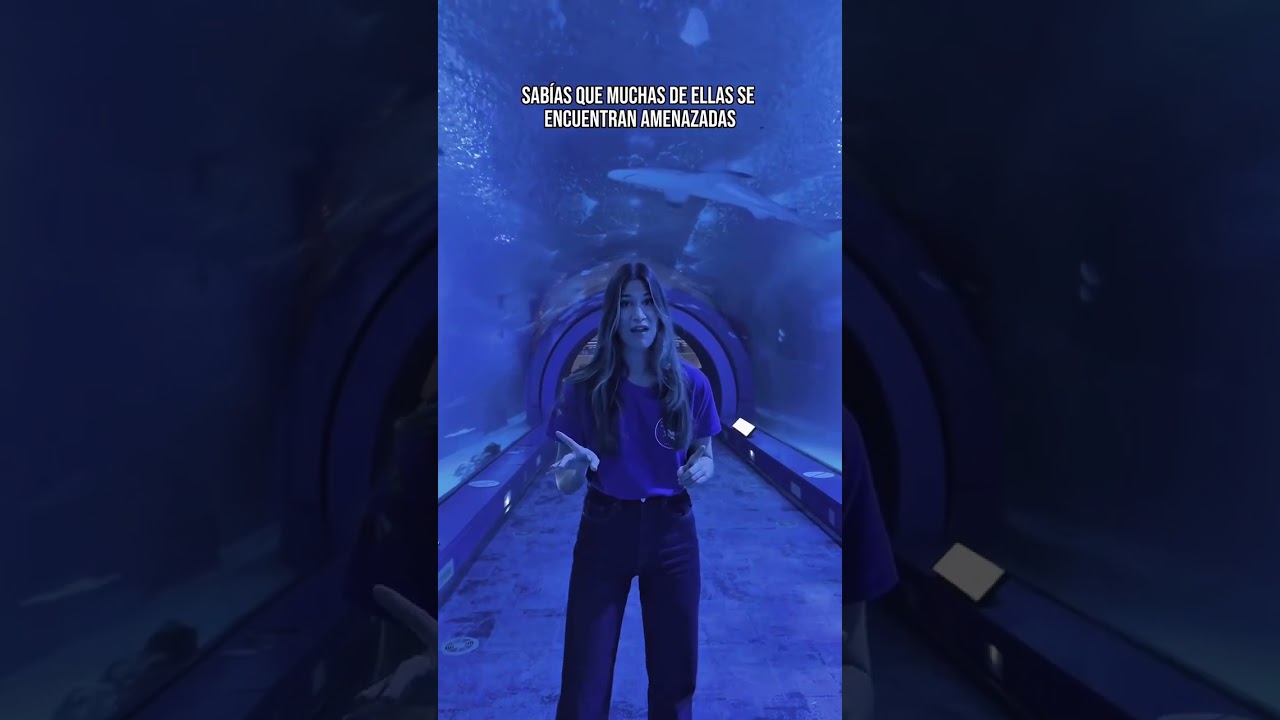
- Overview of shark and ray species diversity at the Oceanogràfic.
- Detailed examination of specific shark species housed in the facility.
- Understanding the conservation efforts dedicated to sharks and rays.
- Insights into the educational opportunities offered by Oceanogràfic.
- Importance of marine biodiversity in zoo management and zoo visitor engagement.
The Oceanogràfic in Valencia, Spain, is one of the most impressive marine aquariums in the world, spotlighting a broad spectrum of marine life. It is home to a remarkable diversity of species, including numerous types of sharks and rays. These species are crucial not only to the ecosystems they inhabit but also to the educational and conservation missions of the aquarium.
Sharks and rays, both part of the elasmobranch group, have been earth’s aquatic guardians for over 400 million years. In the Oceanogràfic, the diversity of these species sets the stage for an exploration of their biology, behavior, and the conservation challenges they face. The facility houses a variety of species, each with unique traits that fascinate researchers and visitors alike.
The array of shark species at the Oceanogràfic is a key attraction. Visitors can encounter the elegant blacktip reef shark, known for its dark fin tips and streamlined body. This species’ swimming grace is a primary draw and offers insights into the agile movements typical of reef sharks. In contrast, the sand tiger shark, another resident, presents a more robust body and intimidating set of teeth, sparking interest in its carnivorous feeding habits and role as an apex predator.
Highlighting diversity further, species like the bull shark impress with their adaptability to both salt and freshwater habitats. This behavior exemplifies the evolutionary versatility that allows certain shark species to thrive in diverse environmental conditions. Such attributes provide educational moments underscoring the complexity of marine adaptations.
Rays, the flat-bodied cousins of sharks, add another dimension. The graceful movements of the cow-nosed rays, which glide effortlessly through water, offer an eye-catching display of their unique form of locomotion. Meanwhile, the eagle rays display a captivating, spotted design, captivating with their aerial-like swimming.
Central to Oceanogràfic’s mission is robust conservation effort, vital in addressing threats like overfishing, habitat destruction, and climate change impacts on oceanic life. Many shark and ray populations are declining globally, necessitating action. The aquarium participates in breeding programs and research initiatives to support these vulnerable populations.
Beyond conservation, educating the public is a cornerstone of the Oceanogràfic’s operations. The facility offers educational programs and interactive experiences, helping visitors appreciate the significance of marine conservation. Educators use the diverse collection of sharks and rays to illustrate broader ecological principles, fostering a deeper understanding of biodiversity’s role in sustaining healthy oceans.
In zoo management, presenting a wide range of shark and ray species involves meticulous planning. Each species requires specific habitat conditions, reflecting their natural environments. This demands a careful balance of water temperature, salinity, and tank design to promote natural behaviors and well-being. Aquarium staff work tirelessly to simulate these conditions, allowing visitors to witness these animals in settings that encourage natural behaviors.
Creating engaging exhibits is imperative not only for animal welfare but also for educating and inspiring visitors. Successful zoo management blends science, conservation, and public engagement, enhancing the visitor experience while supporting educational ambitions.
Marine biodiversity, as showcased at the Oceanogràfic, plays a fundamental role in ecosystem health. Sharks and rays are critical in maintaining the balance of marine food webs. They help regulate populations of other marine creatures, contributing to ocean health and resilience. Thus, their preservation is not just a matter of protecting charismatic megafauna but securing the stability of entire marine ecosystems.
As we continue to face environmental challenges, including climate changes and human-induced impacts on habitats, facilities like Oceanogràfic are indispensable. They provide a glimpse into marine life’s wonders while offering a compelling narrative for conservation action.
By highlighting the intriguing aspects of sharks and rays, Oceanogràfic enriches our understanding and appreciation of these ancient creatures. Through their comprehensive programs, the facility not only captivates and educates but also motivates action towards marine conservation.
Ultimately, the ongoing work at the Oceanogràfic demonstrates a commitment to sustaining marine life through education and direct conservation efforts. By fostering awareness and appreciation, Oceanogràfic serves as a beacon of hope and knowledge in the pursuit of oceanic preservation.
*****
Source Description
✨ Nuestro equipo de Educación te lo cuenta en menos de un minuto.
¿Has acertado? 😉
🇺🇸🇬🇧
🦈 How many species of sharks and rays are at the Oceanogràfic?
✨ Our #education team answers this question for you.
Did you guess it? 😉
#Aquarium #Valencia #Shark #Tiburón
