
Summary of How does research aid in conservation?:
The content, authored by Joe Mendelson, discusses the multifaceted role of scientific research in conservation. It highlights notable conservation achievements, emphasizes the importance of basic research, and details examples of newly discovered species that necessitate conservation planning. Notably, it addresses the significance of understanding species’ habitats, breeding cycles, and the emergence of wildlife diseases that threaten biodiversity. The role of zoos in veterinary care and research is also underscored, showcasing their importance in combating wildlife diseases and informing conservation strategies. The article concludes with a recognition of the contributions of organizations like Zoo Atlanta to conservation efforts.
- Research identifies new species and their conservation needs.
- Understanding wildlife diseases aids in biodiversity protection.
- Zoological breeding programs enhance conservation strategies.
- Basic ecological data informs habitat preservation efforts.
- Collaborative research enhances responses to conservation challenges.
The role of research in conservation is vital, serving as a foundation upon which effective strategies are built and executed. By uncovering the complexities of ecosystems, the needs of specific species, and threats to biodiversity, research guides conservation efforts in meaningful ways.
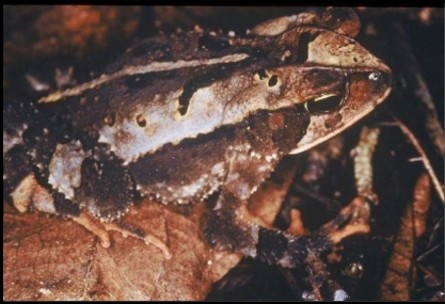
Research plays a critical role in identifying new species. Taxonomic studies help scientists understand what organisms exist in specific habitats. For instance, the formal documentation of several new species of horned frogs in Panama highlights this need. Without basic knowledge about these organisms—such as their habitat preferences and reproductive cycles—effective conservation strategies cannot be developed. Once species such as these receive proper recognition, conservation planners can target their efforts. Identifying new species and determining their conservation status ensures that endangered species receive the protection they require.
Understanding wildlife diseases is another significant aspect of conservation research. Emerging pathogens pose severe threats to biodiversity, impacting wildlife populations and even leading to extinction. For example, the amphibian chytrid fungus has already caused the extinction of over 50 species. Research focuses on identifying and mitigating these diseases, allowing conservationists to strategize effectively. Veterinarians play a crucial role here. Zoo veterinarians, due to their diverse experience, often lead discovery efforts for wildlife diseases. They have the expertise to treat affected animals and work on preventive measures. This kind of research ultimately protects not just individual species but entire ecosystems at risk from disease outbreaks.
Zoological breeding programs are another avenue where research significantly impacts conservation. When species are at risk of extinction, zoos often work to establish breeding programs that replicate natural conditions as closely as possible. This effort requires detailed understanding of species’ needs regarding diet, housing, temperature, and social structure. Zoo Atlanta, for instance, has led initiatives to develop husbandry protocols necessary for the successful breeding of endangered amphibians. Understanding these specific requirements facilitates breeding success and ultimately contributes to population recovery. By establishing stable populations in captivity, zoos can eventually reintroduce species back into their natural habitats, thereby enhancing conservation efforts.
Basic ecological research also informs habitat conservation initiatives. By studying the distribution of species and their habitat associations, researchers can identify critical areas for protection. For example, research conducted on the Oaxacan spiny toad revealed its preferences for pristine rainforests and specific breeding behaviors. With this information, conservationists can take targeted actions to preserve these vital habitats. Knowing where these species occur and understanding their habitat requirements are necessary steps for any effective conservation plan. Continuous research enhances our understanding and provides crucial data for the development of habitat conservation strategies.
Collaboration across various fields enhances conservation efforts, pooling resources and expertise. Zoos, universities, and other organizations often collaborate on research projects. This multidisciplinary approach allows for a robust understanding of the ecological challenges facing species. Collaborative research not only helps to address immediate issues—such as disease outbreaks—but also contributes to long-term conservation goals. These partnerships increase the potential for scientific breakthroughs that can vastly improve the effectiveness of conservation strategies.
For example, researchers from different institutions might team up to study the effects of a particular invasive species on local fauna. By combining knowledge from various fields—ecology, veterinary science, genetics, and environmental policy—research teams can create comprehensive solutions that address not just the symptoms of the problem but its root causes as well. The complexity of ecosystem interactions demands this level of collaboration for successful outcomes.
Research also plays a key role in monitoring conservation success. By utilizing various methodologies—from ecological surveys to genetic studies—scientists can evaluate whether conservation measures are effective. Monitoring programs track population changes, habitat alterations, and the overall health of ecosystems, allowing for adaptive management approaches. When strategies fail to meet objectives, researchers can re-evaluate and adjust their methods, ensuring that conservation efforts remain relevant and effective over time.
In addition, technological advancements aid in conservation research. The use of GPS tracking and remote sensing has allowed scientists to gather data on animal movements and habitat use like never before. For instance, these technologies can reveal migratory patterns or critical breeding grounds that may require immediate protection. By harnessing technology, researchers can gain insights that were previously unattainable.
Species reintroductions are also closely tied to research outcomes. Understanding the ecological roles of various species enables conservationists to make informed decisions about reintroducing them into their former habitats. For instance, if a predator species is to be reintroduced, knowing its previously impacted prey species can help address ecological imbalances. Careful monitoring and research are crucial steps in ensuring that reintroductions do not destabilize existing ecosystems.
Educational outreach forms an integral part of conservation efforts as well. Research findings often inform public awareness campaigns, policy initiatives, and community engagement strategies. Educating the public on various conservation issues fosters greater understanding and support for these efforts. By sharing research outcomes through workshops, informational pamphlets, or online platforms, conservationists can empower communities to participate actively in preserving local ecosystems.
Funding challenges frequently hinder research efforts, especially in conservation. Securing grants and other funding sources is necessary not just for conducting research but also for implementing conservation initiatives based on those findings. Foundations, government agencies, and corporate partnerships provide essential support for many research projects. By acknowledging the critical role of funding and actively pursuing diverse sources, conservationists can help sustain research efforts that benefit species and ecosystems.
Fieldwork is a vital component of successful conservation research. Researchers often spend time in habitats observing species, collecting data, and conducting surveys. This hands-on exploration yields insights that cannot be gleaned from laboratories alone. The challenges of field research, from adverse weather conditions to logistical obstacles, add complexity to the process. Nevertheless, fieldwork remains crucial for collecting baseline data and understanding the interactions between species and their environments.
By integrating these varied research components, conservation efforts can become more effective and sustainable. Recognizing the interconnectedness of species within ecosystems emphasizes the need for a holistic approach to conservation. Research provides the necessary data, insights, and strategies to address the complex challenges of protecting biodiversity.
The commitment to conservation research underscores its importance in the ongoing struggle to protect our ecosystems. By highlighting the foundational role of research, we can better appreciate how it informs and enhances conservation strategies. Every effort, whether by discovering new species, understanding wildlife diseases, or improving breeding programs, contributes to building a future where biodiversity thrives.
Engagement in research fosters an informed public and encourages broader support for all conservation initiatives. In doing so, we create a lasting impact that can transcend generations, influencing not only current practices but also shaping the attitudes and actions of future stewards of the environment.
