
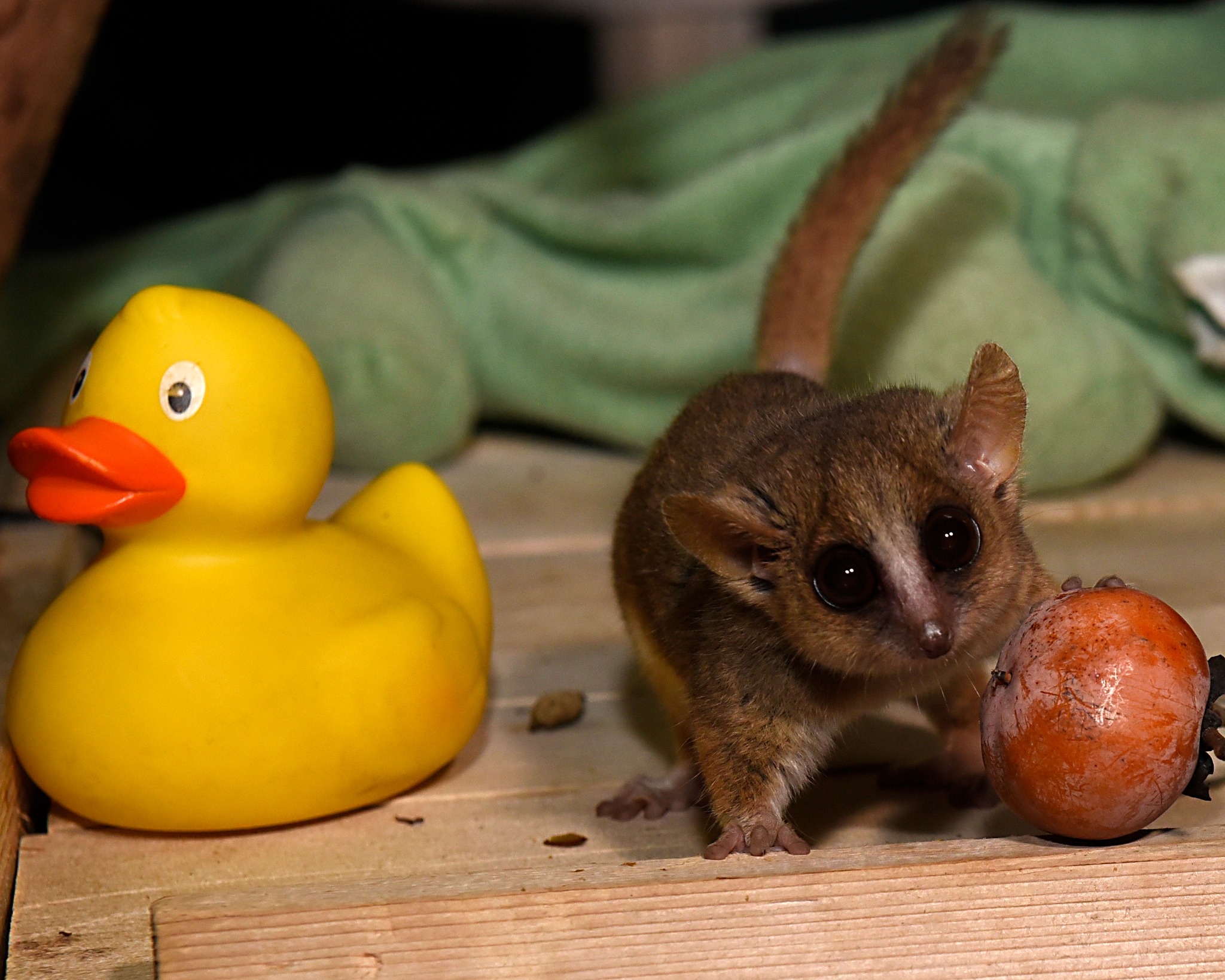
- Gray mouse lemur morphology and size comparison
- Behavior, social structures, and habitat
- Diet and feeding habits
- Reproductive traits and lifecycle
- Conservation status and efforts
The gray mouse lemur (Microcebus murinus) stands as one of the smallest primates on Earth, captivating researchers and the general public alike with its diminutive stature and significant evolutionary lineage. An adult gray mouse lemur measures around three inches in height and weighs a mere 2–4 ounces. To visualize this, picture a small stick of butter; this tiny primate weighs about the same. Meanwhile, at birth, these little creatures are approximately the size of a wedding ring. This tiny size makes them particularly fascinating in the study of evolution, linking them closer to humans than to common rodents like mice.
One fascinating aspect of the gray mouse lemur is its morphology. Their small size allows them to navigate the dense forest understory of Madagascar efficiently. They possess large ears, enabling excellent night vision and acute hearing, essential traits for a nocturnal lifestyle. These lemurs have a long tail that often exceeds their body length, aiding in balance as they leap between branches. The gray mouse lemur’s fur is soft and dense, primarily gray or brown, providing camouflage among tree bark and foliage.
Behaviorally, gray mouse lemurs exhibit complex social structures. They live in groups typically consisting of 5 to 12 individuals. These social connections are vital for protection against predators. Primarily nocturnal, they engage in foraging, marking their territory, and communicating through vocalizations. They use various calls to relay different information to their group members. During the daytime, they are known to sleep in nests made of leaves or lay curled inside tree hollows.
In terms of diet, gray mouse lemurs are omnivorous, primarily consuming fruits, flowers, and insects. They play a crucial role in their ecosystem by dispersing seeds through their feces. This behavior contributes to the regeneration of their habitats, reinforcing the intricate balance of the forest ecosystem of Madagascar. Their ability to locate food sources using their keen sense of smell is a remarkable trait among small primates.
When it comes to reproduction, gray mouse lemurs demonstrate fascinating characteristics. Breeding typically occurs during a specific season, often triggered by environmental cues such as food availability and social interactions. After a gestation period of about 60 days, females give birth to one or two offspring. The tiny neonate gray mouse lemurs are born hairless and helpless, relying entirely on their mothers for nutrition and protection. As they grow, they develop quickly, gaining independence within just a few months. Their short life span of around 8-12 years in the wild highlights the survival challenges they face.
Conservation is a pressing concern for gray mouse lemurs. They are currently classified as “Least Concern” by the IUCN, but their habitats face significant threats from deforestation, habitat fragmentation, and climate change. These factors jeopardize not only their survival but also that of other species within Madagascar’s unique biodiversity. Initiatives aimed at habitat preservation and restoration are essential to maintain their population and contribute to overall environmental health.
Issues surrounding the protection of gray mouse lemurs emphasize the importance of conservation education and public awareness. Zoos and organizations actively working to educate the public about these little primates play a pivotal role in promoting conservation efforts. For example, enrichment activities, such as introducing novel objects like rubber duckies into their enclosures, stimulate engagement and encourage natural behaviors, offering valuable insights into their needs and adaptability.
The gray mouse lemur exemplifies adaptations that are finely tuned for survival in Madagascar’s unique and often challenging environments. Their small size, intricate social structures, diverse diet, and reproductive strategies illustrate how even the tiniest species can have significant impacts on the ecosystems they inhabit. Protecting them requires a combined effort of scientific research, conservation practices, and public engagement to foster a deeper appreciation for the natural world.
In summary, understanding the complexity of the gray mouse lemur’s life and behaviors highlights the need for continued research and conservation efforts. The potential threats to their existence underline the urgency of habitat protection through effective management strategies. Public awareness and education about these remarkable creatures can rally support for their conservation, ensuring that future generations appreciate the rich biodiversity of Madagascar and its small yet significant inhabitants.
*****
Source Description
Just how small IS a gray mouse lemur? 🤔
It can be hard to wrap your brain around the fact that this tiny primate is more closely related to humans than to mice! Gray mouse lemurs are the second smallest primate in the world, only dwarfed by the critically endangered Madame Berthe’s mouse lemur. They stand at only about three inches tall and weigh about as much as a single stick of butter when fully grown (and only about as much as a wedding ring when first born!) In this photo, gray mouse lemur Taro helpfully stands between two objects for scale—a fresh persimmon and a rubber ducky. The rubber ducky is a form of novel object enrichment and was placed in Taro’s enclosure as something new and exciting for her and her groupmates to investigate 🦆
📸: David Haring
