
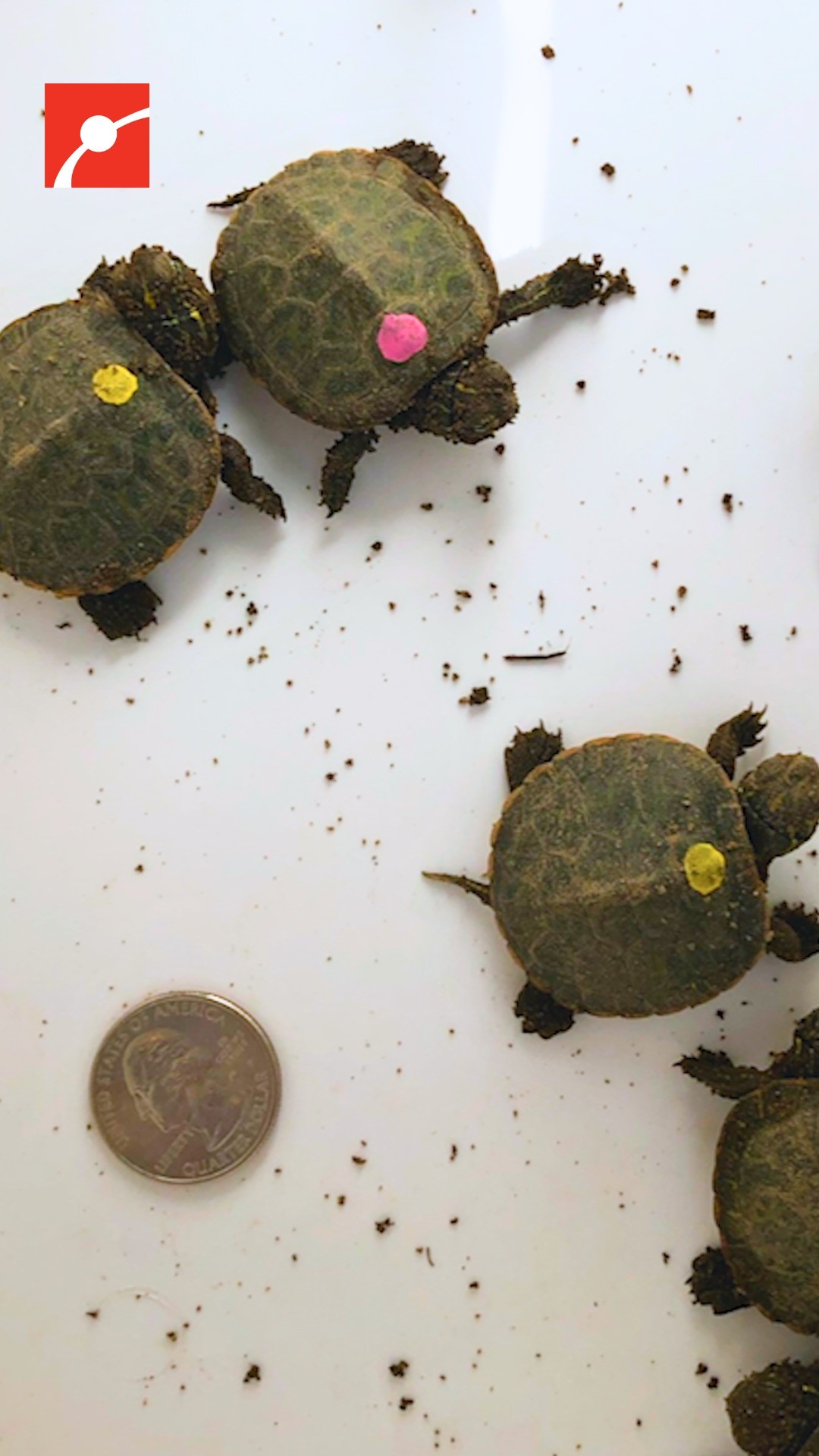
- The physiological and environmental factors enabling rapid growth in Northern Red-Bellied Cooters.
- The role of the Headstart program in accelerating turtle development.
- Conservation strategies implemented by Mass Wildlife to protect endangered species.
- Detailed explanation of the controlled environments that simulate natural growth conditions.
- The significance of returning turtles to the wild and its impact on biodiversity.
Turtles, with their ancient lineage and distinctive features, captivate the attention of researchers and conservationists alike. A particularly fascinating aspect is how certain turtles, such as the Northern Red-Bellied Cooters, can achieve significant growth in a surprisingly short span of time. Keeper Jason provides insights into this phenomenon, shedding light on the miraculous transformation these turtles undergo within just months, equivalent to years of development in the wild.
The Northern Red-Bellied Cooter is an endangered species native to specific regions of North America. Typically, these turtles require about three years to reach a particular growth phase in their natural habitat. However, under the specially designed Headstart program, this same growth can be achieved in merely eight months. This accelerated growth is not a miracle but rather the result of precise environmental, nutritional, and protective conditions provided by the program.
Central to understanding this rapid development is the role of controlled environments. In the wild, Northern Red-Bellied Cooters face numerous challenges that can hinder their growth. Predation, scarce food resources, and environmental stresses all contribute to a slower development process. The Headstart program aims to mitigate these factors by creating a safe and nurturing environment for the turtles.
Under the care of the program, the turtles are kept in specially regulated enclosures that maintain optimal temperature and humidity levels. This is crucial because turtles are ectothermic creatures, meaning their body temperature is affected by their surroundings. By maintaining consistent and favorable temperature conditions, the turtles can metabolize food more efficiently, enabling faster growth.
Nutrition also plays a pivotal role. In the Headstart program, turtles receive a carefully balanced diet rich in essential vitamins and minerals. Unlike in the wild, where food availability might be sporadic, this constant and adequate nutrient supply ensures that the turtles have all the resources they need to grow rapidly.
Safety from predators is another critical aspect. In the wild, young turtles face significant predation pressure, which can drastically reduce their numbers. The Headstart program provides a haven for these young cooters, protecting them from natural predators and giving them a fighting chance to mature.
Mass Wildlife’s conservation strategies are essential for the program’s success. By collaborating with institutions like the museum where Keeper Jason works, they ensure that the program has the necessary resources and expertise. This partnership allows for the continual monitoring and adjustment of growth conditions, ensuring optimal results for the turtles.
One of the most remarkable aspects of this accelerated growth process is the eventual reintegration of the turtles into the wild. After achieving the desired growth, turtles are released back into their natural habitats, where they can continue to thrive and contribute to the ecosystem. This process is carefully managed to maximize the turtles’ survival chances and ensure they can adapt to the wild environment.
Returning these turtles to the wild is not just beneficial for the individuals involved but also for biodiversity as a whole. The Northern Red-Bellied Cooter plays a crucial role in its ecosystem, contributing to the balance and health of its natural environment. By bolstering their numbers, conservation efforts directly support ecological diversity and stability.
The Headstart program exemplifies how thoughtful intervention can considerably impact species conservation. Through climate-controlled habitats, comprehensive nutrition plans, and protective measures, the program demonstrates an effective model for safeguarding endangered turtles and other at-risk species.
Keeper Jason’s insights underscore the importance of human intervention in wildlife conservation. By understanding the specific needs of vulnerable species like the Northern Red-Bellied Cooters, we can devise strategies that enable us to support their growth and survival. Each turtle that successfully transitions back to the wild is a testament to the program’s effectiveness and a beacon of hope for ongoing conservation efforts.
This successful case study of turtle growth acceleration offers valuable lessons for similar conservation programs worldwide, highlighting the potential of science and dedication in preserving our planet’s diverse life forms.
*****
Source Description
How do turtles grow 3 years’ worth in just 8 months? 🐢
Keeper Jason explains how the museum helps endangered Northern Red-Bellied Cooters grow fast, stay safe, and head back to the wild—all thanks to @Mass.Wildlife’s Headstart program.
