
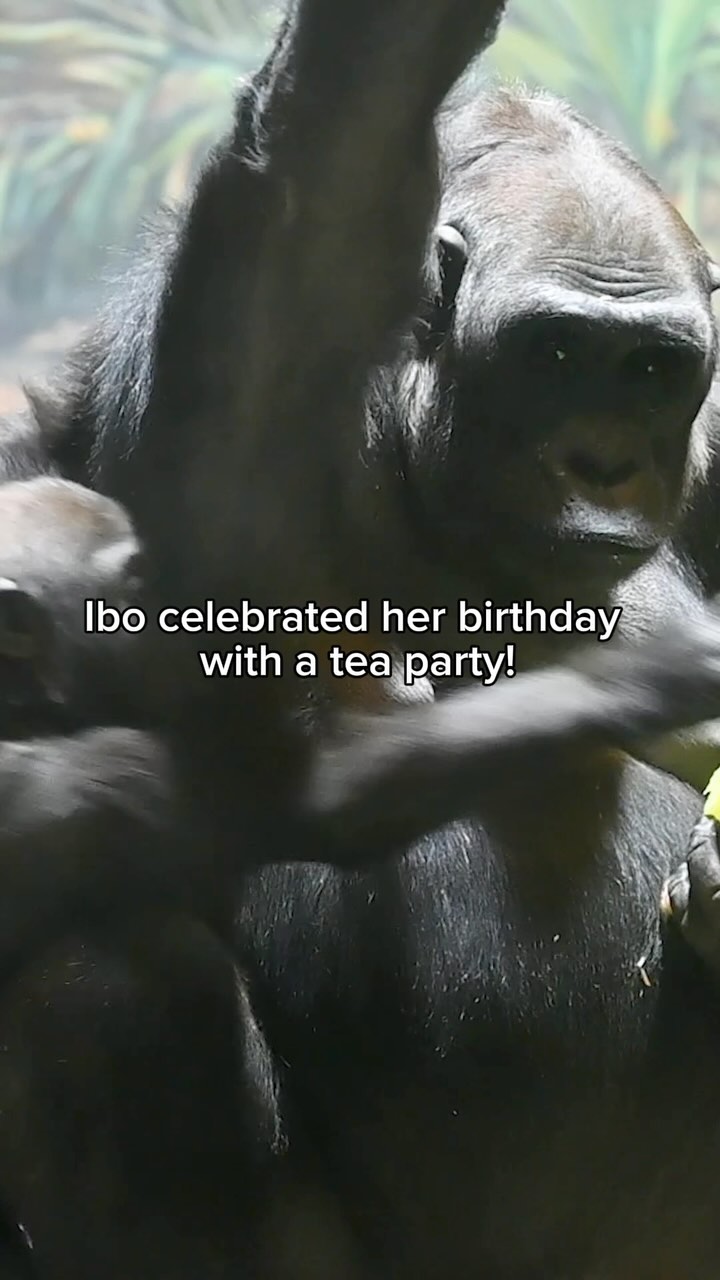
- Ibo’s fairytale birthday offers a useful case study in animal welfare, enrichment, and positive social behavior in zoo settings.
- The party menu, including peanut butter and sweet potato oat cupcakes with yogurt and peanut butter icing, cookies, and cucumber sandwiches, highlights how caregivers adapt food to species-specific dietary needs.
- Sharing food with friends reflects group dynamics, trained husbandry routines, and careful supervision by zoo staff.
- Events like Ibo’s fairytale birthday can support public education about zoology, enrichment, and wildlife conservation when presented responsibly.
- Celebratory activities for animals must always follow veterinary guidance, nutrition planning, and habitat management standards.
Ibo’s fairytale birthday draws attention because it combines celebration with science. The public sees a joyful event. Zoo professionals see a planned exercise in animal welfare, behavioral enrichment, and dietary management. That distinction matters. A birthday in a zoo setting is not just a party. It is part of a broader husbandry strategy that supports physical health, mental stimulation, and social stability. Ibo’s fairytale birthday also offers a way to discuss how animal care teams match food items and activities to the biology of the species involved.
In zoology, enrichment refers to changes in an animal’s environment that promote natural behaviors. Food enrichment is especially important. It can stimulate foraging, chewing, problem-solving, and social interaction. For animals in managed care, mealtimes can be more than nutrition delivery. They can become structured events that occupy the animal, reduce boredom, and encourage normal activity patterns. The menu described for Ibo’s fairytale birthday fits that model. Peanut butter and sweet potato oat cupcakes with yogurt and peanut butter icing, cookies, and cucumber sandwiches may sound like party food for people, but in an animal-care context, they can be adapted to fit the nutritional and behavioral needs of a zoo resident.
The composition of these treats matters. Sweet potato provides carbohydrate and fiber. Oats add additional fiber and texture. Yogurt can offer protein and a creamy consistency, although it must be used carefully because not all animals digest dairy well. Peanut butter adds fat and palatability, which can make enrichment items more appealing. Cookies and cucumber sandwiches can also be prepared in species-appropriate ways, depending on the animal’s digestion and nutritional requirements. Zoo nutritionists do not rely on novelty alone. They review ingredients, measure portions, and check how often rich foods should appear in the diet. That process reduces the risk of excess calories, digestive upset, or nutrient imbalance.
Ibo’s fairytale birthday also illustrates the role of variety in feeding strategies. Animals in managed care benefit from changes in food presentation. Staff may place food in puzzles, hide it in browse, freeze it into blocks, or shape it into small portions. These methods extend feeding time. They mimic the time and effort many wild animals spend obtaining food. For some species, this helps reduce stereotypic behaviors such as pacing, swaying, or repetitive movement. For social animals, food sharing can reinforce group cohesion when staff provide enough space and enough items to limit competition.
The detail that Ibo shared with all of her friends is important from a behavioral perspective. Social feeding can reveal dominance patterns, affiliative behavior, and tolerance within a group. Keepers observe whether all individuals can access the food without stress. They watch for aggression, guarding, or exclusion. They also note which animals eat first, which ones wait, and how long the group remains engaged. Such observations help staff adjust future feeding routines. A birthday spread can therefore produce practical data. It can tell caretakers how the group interacts around high-value foods.
Zoo management also treats special events as opportunities to reinforce training. Many animals participate in protected contact training, where they respond to cues without physical restraint. Trainers may ask an animal to move to a specific location, present a body part for inspection, or target a station. Food rewards often support this process. A celebratory meal can be delivered after a stationing behavior or a voluntary health check. That approach lowers stress and builds trust between animal and staff. It also supports veterinary care, because trained animals are often easier to examine.
The presentation of Ibo’s fairytale birthday can help the public understand how zoos blend entertainment with science-based care. Public-facing animal events can improve engagement if they are honest about the animal’s needs. Visitors may enjoy seeing a birthday celebration. They may also learn that the food items were selected after consideration of diet, digestion, and welfare. This educational value is significant. Conservation messaging works best when visitors connect emotionally with an animal and then receive accurate information about species biology, habitat loss, and human impacts on wildlife.
Nutrition is central to any zoo event. Peanut butter and sweet potato oat cupcakes with yogurt and peanut butter icing may look elaborate, but a responsible diet plan focuses on the animal’s species, age, body condition, and medical history. Zoo nutritionists calculate energy needs using body mass, activity level, reproductive status, and ambient temperature. They also monitor body score and fecal quality. If an animal tends to gain weight easily, rich ingredients may be used sparingly. If an animal requires more calories, feed items may be adjusted. The same principle applies to fruit, vegetables, grains, and protein sources. Careful planning prevents health problems.
Ingredient safety is another major issue. Not every food safe for people is safe for animals. Some species can consume dairy in small amounts, while others should avoid it. Some species tolerate nuts well; others may have digestive or dental concerns. Even sugar levels matter. Treat foods should not displace the core diet, which usually includes formulated feed, browse, hay, meat, fish, vegetables, or other species-specific items. A birthday menu works only when it fits within a complete nutrition program. This is a standard principle in zoo husbandry.
The setting of Ibo’s fairytale birthday also matters. Environmental enrichment works best when it matches the species’ natural history. Arboreal species need vertical structures. Large mammals may benefit from scent trails, feeding stations, or varied substrates. Aquatic species require water-based challenges and safe food delivery systems. If Ibo’s celebration involved a social mammal, then shared snacks, browse, and training opportunities would make sense. If the species is especially food-motivated, staff might use the treats to encourage movement and exploration. The broader lesson is that enrichment should fit behavior, not just aesthetics.
Zoo staff also monitor animal welfare before, during, and after such events. Welfare assessment includes appetite, mobility, social interaction, coat or feather condition, and response to keepers. If an animal appears reluctant, stressed, or ill, staff modify the plan or cancel the celebration. That cautious approach is standard practice. Animal welfare cannot be treated as a backdrop for public content. It must remain the central concern. The best animal celebrations are quiet examples of good husbandry. They make the animal comfortable and active without creating risk.
Ibo’s fairytale birthday can also serve conservation education. Zoos often connect individual animals to broader species stories. They explain habitat decline, illegal hunting, climate pressure, and human-wildlife conflict. A birthday event gives staff a familiar entry point. Visitors may arrive because they enjoy the celebration. They may leave with new information about endangered habitats, population management, or field conservation work. That link between public interest and conservation knowledge is valuable. It turns a cheerful occasion into a teaching moment.
The phrase “fairytale” in Ibo’s fairytale birthday also deserves careful treatment. In zoological communication, colorful language can attract attention, but accuracy must remain the priority. The facts matter more than decoration. A well-run animal birthday is not magical in the literal sense. It is the result of planning, nutrition review, animal observation, and staff skill. The appeal lies in the visible outcome, but the real work happens behind the scenes. Keepers prepare food in controlled portions. Nutrition staff review the menu. Veterinarians remain informed. Supervisors evaluate safety. That process reflects the standards of modern zoo management.
Shared feeding events often reveal how intelligence and adaptability vary across species. Some animals investigate new food items immediately. Others approach cautiously. Some manipulate cupcakes or vegetables with their hands, mouths, or trunks. Others strip leaves, chew slowly, or separate components before eating. These differences show how anatomy shapes behavior. Teeth, jaws, tongue mobility, digestive physiology, and limb dexterity all influence feeding style. A birthday menu can therefore become an informal lesson in comparative zoology.
Public interest in events like Ibo’s fairytale birthday should also be matched with responsible messaging about animal care. It is easy for audiences to focus on the cuteness of party foods. It is more useful to explain why those foods are offered. The explanation should note that enrichment supports mental stimulation, that portions are controlled, and that treat items do not replace the normal diet. Such transparency helps reduce misunderstanding. It also sets realistic expectations about what zoos do and do not do for the animals in their care.
The social aspect of Ibo’s fairytale birthday is just as instructive as the food itself. Animals that live in groups depend on social structure. Care teams pay attention to kinship, age, sex ratios, and temperament. Birthday celebrations can test those dynamics in a low-risk way. If the group remains calm around shared food, that suggests stable interactions. If one individual monopolizes resources, staff may revise how food is presented. These observations improve daily management. They also help maintain long-term welfare.
Ibo’s fairytale birthday reflects another important zoo principle: planned novelty can benefit animals when it is predictable enough to remain safe and varied enough to stay stimulating. Animals learn routines quickly. Feeding at the same place, in the same way, every day can become less engaging over time. Special menu items and new presentations can break that pattern. Yet the novelty must be controlled. Sudden changes can cause stress. The challenge for animal-care teams is to balance familiarity with fresh experience. That balance is a core part of enrichment design.
Conservation-minded zoos use events like this to strengthen public support for wildlife protection. People are more likely to care about species when they know individual animals. Naming an animal, describing its behavior, and sharing details about a birthday celebration can create a personal connection. That connection can then support conservation action. Visitors may donate, adopt sustainable habits, or learn about field programs. They may also better understand why habitat protection, responsible land use, and species recovery work matter.
Ibo’s fairytale birthday stands as a compact example of how zoo science, nutrition, and outreach intersect. A menu of peanut butter and sweet potato oat cupcakes with yogurt and peanut butter icing, cookies, and cucumber sandwiches is not just a festive detail. It is a carefully managed feeding event. It reflects knowledge of animal digestion, behavior, and social structure. It also offers a public-facing way to teach about enrichment, husbandry, and conservation. When done properly, a birthday celebration becomes more than a photo opportunity. It becomes evidence of thoughtful animal care and a reminder that welfare and education can work together.
*****
Source Description
Ibo’s fairytale birthday! The menu of this extravagant party included peanut butter and sweet potato oat cupcakes with yogurt and peanut butter icing, cookies, and cucumber sandwiches! Ibo of course shared with all of her friends.
