
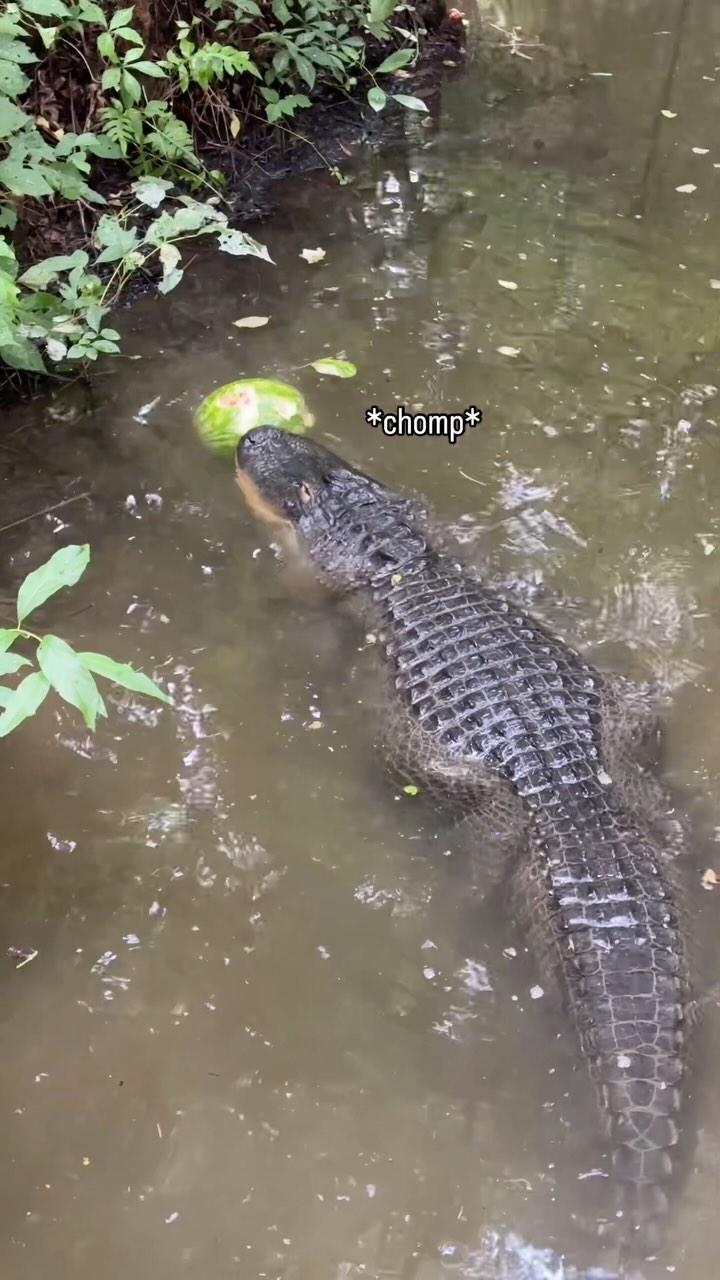
- The surprising relationship between alligators and watermelon enrichment in zoos.
- How alligator enrichment supports behavioral stimulation and overall health.
- The role of dietary enrichment in wildlife conservation and zoo management.
- Insights into alligator biology and their interaction with environmental stimuli.
- The broader implications of enrichment practices on habitat conservation efforts.
Alligators and watermelon may not seem like an obvious pairing. However, their interaction is becoming a fascinating subject in zoological circles. This unusual combination is reshaping how we perceive animal enrichment strategies.
Alligators, known for their powerful jaws and prehistoric lineage, are integral to aquatic ecosystems. In controlled environments, like zoos, maintaining their mental and physical health is a priority. That’s where enrichment with objects like watermelon comes into play. Though unexpected, watermelon provides cognitive challenges and dietary benefits. This article explores why alligators and watermelon form an unexpected yet compelling duo in the context of wildlife management.
Enrichment and Behavior Stimulation
Enrichment in captivity serves as a vital tool for encouraging natural behaviors. Alligators are apex predators and require stimulation to prevent stress and promote healthy activity levels. Enrichment practices involve physical, sensory, and dietary components. Watermelon, when used correctly, fulfills several roles. Its bright color and scent catch an alligator’s attention, prompting investigative behavior. Additionally, the texture of watermelon stimulates biting actions, essential for maintaining strong jaw muscles.
By offering varying forms of enrichment, zookeepers can recreate elements of an alligator’s natural habitat. This reduces boredom and encourages activities such as foraging and exploration. Enrichment thus becomes an essential tool in promoting physical health and behavioral wellness.
Dietary Enrichment and Health
The nutritional aspect of enrichment cannot be overlooked. While alligators are carnivorous, incorporating variety ensures a balanced diet. Watermelon is primarily water, contributing to hydration, but it also offers vitamins and minerals. This fruit is a safe and intriguing option that aligns with an alligator’s dietary needs without substituting essential proteins.
Dietary enrichment allows animals to experience new flavors and textures, much like they would encounter in the wild. This variety can aid in improved digestion and nutrient absorption. Moreover, it fosters problem-solving and curiosity as alligators engage with new items in their enclosure.
Conservation Efforts and Zoo Management
Zoo management strategies are continually evolving to prioritize animal welfare. Enrichment is a focal point within this broader conservation framework. Successful enrichment involves understanding species-specific needs and behaviors. For alligators, this means simulating challenges and experiences they would naturally encounter.
By investing in enrichment programs, zoos play a critical role in wildlife conservation. They educate the public, foster appreciation for biodiversity, and generate interest in conservation efforts. Enrichment items like watermelons can serve as educational tools that engage audiences and promote an understanding of ecological balance.
Understanding Alligator Biology
Alligators are not only fascinating because of their evolutionary heritage but also for their adaptability. Their behaviors in response to enrichment activities reveal much about their intelligence and cognitive capabilities. Analyzing their interaction with objects like watermelon provides insights into their problem-solving skills and sensory perceptions.
In the wild, alligators utilize their keen senses to hunt and navigate environments. This includes acute vision, impressive bite force, and sensory receptors that detect vibrations in water. Enrichment ensures these skills remain sharp, ensuring their physical and psychological well-being.
Implications for Habitat Conservation
The success of enrichment initiatives in captivity underscores the importance of habitat conservation in the wild. Sustaining alligator populations requires protecting their natural habitats, which face threats from urban development and climate change. These practices in zoos reflect broader conservation efforts, emphasizing the need to preserve natural ecosystems.
Enrichment strategies help create a deeper connection between humans and wildlife. Educating the public about alligators’ roles within their ecosystems enhances understanding and commitment to environmental stewardship. Through this interaction, the importance of sustaining alligator habitats becomes a shared responsibility.
The relationship between alligators and watermelon in enrichment activities is more than an intriguing spectacle. It epitomizes the innovative strategies employed within wildlife conservation and zoo management to enhance animal welfare and support ecosystem preservation. By embracing such strategies, zoos not only enrich the lives of captive animals but also lead the charge in global conservation efforts.
*****
Source Description
The most iconic & unexpected duo: alligators and watermelon!! 🐊🍉 Check out this sweet video of the alligators interacting with some watermelon enrichment 🎥
