
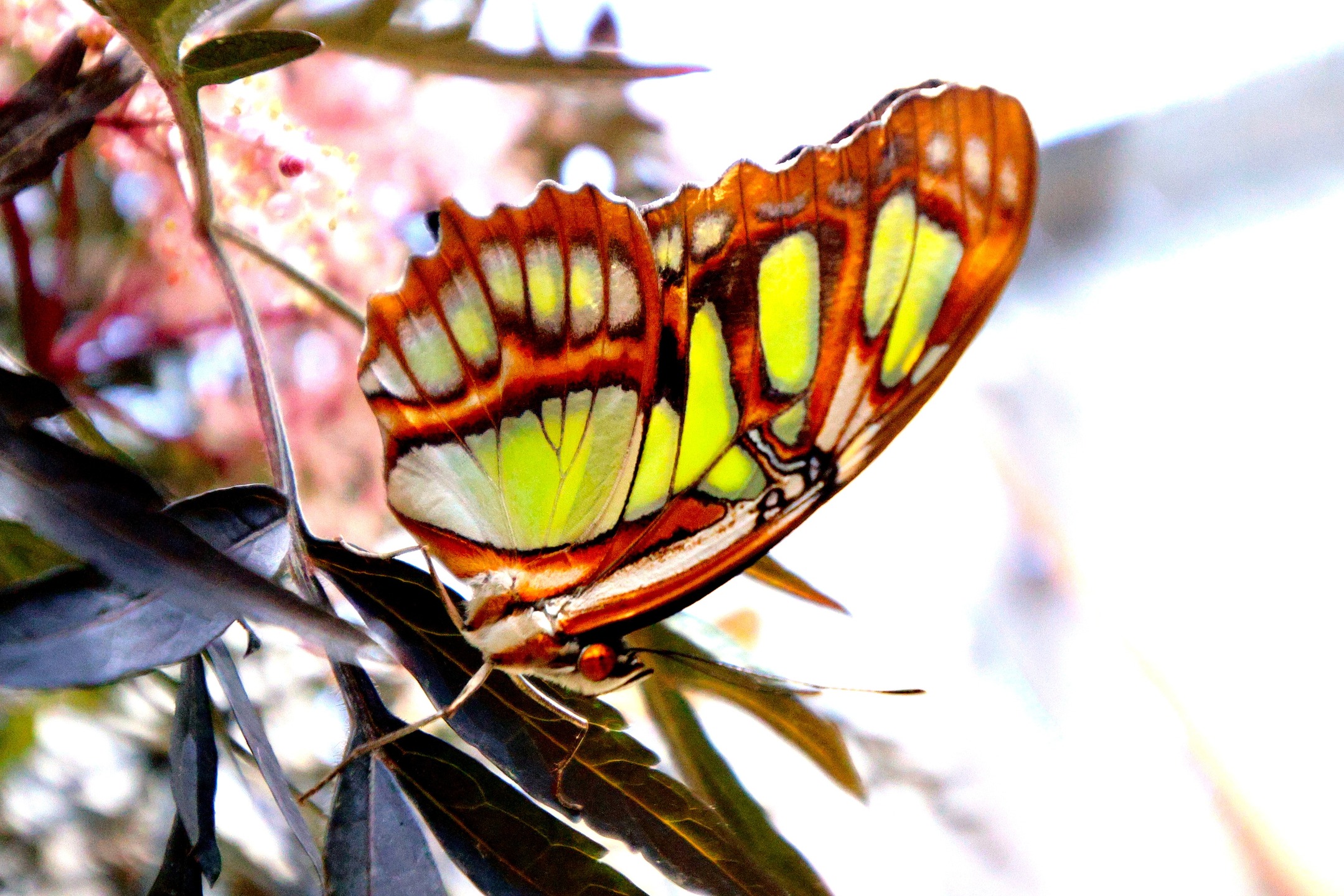
- The significance of weather conditions for butterflies and their behavior.
- The details of the “Butterflies in Bloom” exhibit and its conservation goals.
- The role of zoos in educating the public about butterfly conservation.
- Optimal environmental conditions for butterflies at the zoo.
- Strategies for enhancing butterfly habitats in controlled environments.
The presence of butterflies in a zoo setting encapsulates a combination of aesthetic beauty and ecological education. “Butterflies in Bloom,” a vibrant exhibit showcasing hundreds of exotic butterflies, offers a unique opportunity to explore the ideal environmental conditions that allow these delicate creatures to thrive.
Understanding the significance of weather conditions for butterflies is essential. Butterflies are ectothermic, meaning their body temperature is influenced by their environment. Therefore, they rely on external heat sources to regulate their body temperature, which affects their ability to fly and feed. Ideal weather conditions for butterflies include temperatures between 70 to 85 degrees Fahrenheit. This range not only supports optimal flying conditions but also encourages mating behaviors and nectar feeding.
Humidity is another crucial factor. Butterflies thrive in environments with humidity levels between 60% and 80%. Such conditions prevent dehydration, which is a common challenge for these insects. The combination of appropriate temperatures and humidity levels creates an environment where butterflies can display their natural behaviors, engage in reproduction, and maintain their metabolism effectively.
The “Butterflies in Bloom” exhibit presents an intricate replica of a butterfly’s natural habitat. This exhibit is not merely a spectacle of colors but serves as a platform for fostering awareness about butterfly conservation. The exhibit includes carefully selected plant species that provide nectar rewards and suitable host plants for caterpillars. This setup supports the complete life cycle of butterflies, from egg to adult, thereby promoting sustainability within the exhibit.
Through “Butterflies in Bloom,” visitors can appreciate the fragile beauty of these insects while learning about their ecological roles. Butterflies are crucial pollinators and play a significant role in maintaining biodiversity. By engaging the public with this exhibit, zoos emphasize the importance of butterfly conservation and the steps needed to protect these creatures in the wild.
An educational focus of the exhibit underscores zoos’ roles in conservation efforts. Zoos act as custodians of biodiversity, offering a sanctuary for species at risk of extinction. Exhibits like “Butterflies in Bloom” highlight solid conservation messages, providing detailed information on how habitat loss, climate change, and other human activities threaten butterflies in their natural environments.
Education and interactive experiences provided by zoos empower visitors with knowledge about biodiversity preservation. Educational programs, talks, and guided tours within the exhibit are crafted to provide a comprehensive understanding of butterflies’ ecological significance and the threats they face.
Optimal environmental conditions are crucial for the successful management of butterflies in zoo exhibits. A controlled setting allows for precise regulation of climatic factors that are critical for the health and vitality of butterflies. Careful monitoring of temperatures and humidity levels ensures that the butterflies can carry out their daily activities without stress, promoting a healthy and active display.
Similarly, lighting is an essential aspect of creating a conducive environment. Natural sunlight is replicated using artificial lights that emit UV rays, encouraging typical butterfly behaviors such as feeding and mating. These lighting systems also support photosynthesis in the plants within the exhibit, maintaining a vibrant and viable environment for both plant and animal life.
Strategies for enhancing butterfly habitats in zoos incorporate scientific insights that also have applications in broader conservation initiatives. Creating purposeful and sustainable habitats involves collaborating with botanists, entomologists, and conservationists to cultivate plant species that cater to the dietary and breeding needs of butterflies.
Restoring and preserving butterfly habitats extend beyond the exhibit walls. Zoos often partner with conservation organizations to implement habitat restoration projects in wild settings, aiming to reverse habitat destruction and create corridors that connect fragmented areas. This work is vital for maintaining the genetic diversity and population robustness of butterfly species in the wild.
By immersing visitors in exhibits like “Butterflies in Bloom,” zoos instill an appreciation for butterflies and other pollinators. This connection between people and nature fosters a conservation ethic that motivates individuals to participate in initiatives that safeguard our planet’s biodiversity.
In conclusion, the interplay of weather conditions, conservation education, and habitat enhancement is instrumental in fostering an environment where butterflies can thrive both in zoos and in nature. “Butterflies in Bloom” serves as an educational and inspiring experience, emphasizing the importance of weather conditions and habitat in the life and survival of butterflies, and reflecting the broader commitment of zoos to wildlife conservation.
*****
Source Description
Ideal weekend weather for 🦋 butterflies 🦋 at the zoo! Our colorful and vibrant Butterflies in Bloom exhibit is full of hundreds of exotic butterflies. Come frolic as they flutter!
📷: Jeff Walker
