
- The Psychological and Behavioral Aspects of “If I Fits, I Sits”
- The Broad Scope of “If I Fits, I Sits” Across Different Animal Species
- Practical Applications and Implications for Zoo Management and Animal Welfare
- Conservation Insights from Animal Behavior in Captivity and the Wild
- Future Research Directions in Animal Behavior and Habitat Preferences
The phrase “If I fits, I sits” is widely recognized in the context of cats, embodying their playful and sometimes quirky behavior. This phenomenon, however, extends beyond felines and can be observed in many other animal species. Understanding the behavioral dynamics behind this rule illuminates not only the complexities of animal instincts but also their cognitive frameworks. The behaviors associated with “If I fits, I sits” can provide crucial insights into their living conditions, ecological niches, and social behaviors, enhancing our comprehension of their world.
The Psychological and Behavioral Aspects of “If I Fits, I Sits” sheds light on the instinctual tendencies of animals. Domesticated cats often exhibit this behavior by squeezing into boxes or small spaces. This creates a sense of safety and security. Similarly, other species display this inclination, highlighting their need for comfort and shelter. For example, dogs display similar behavior when they curl up in small spots or cramped quarters, suggesting that this instinct may be rooted in evolutionary survival tactics.
The principle behind this behavior can also be traced to the concept of territory. When animals occupy small spaces, they may be asserting control over their environment. This action can lend a sense of confidence, which is particularly important for animals in multi-species or multi-individual settings. Social hierarchies often influence how animals interact with their surroundings, and small spaces can be perceived as safe havens, providing retreat from stress or competition.
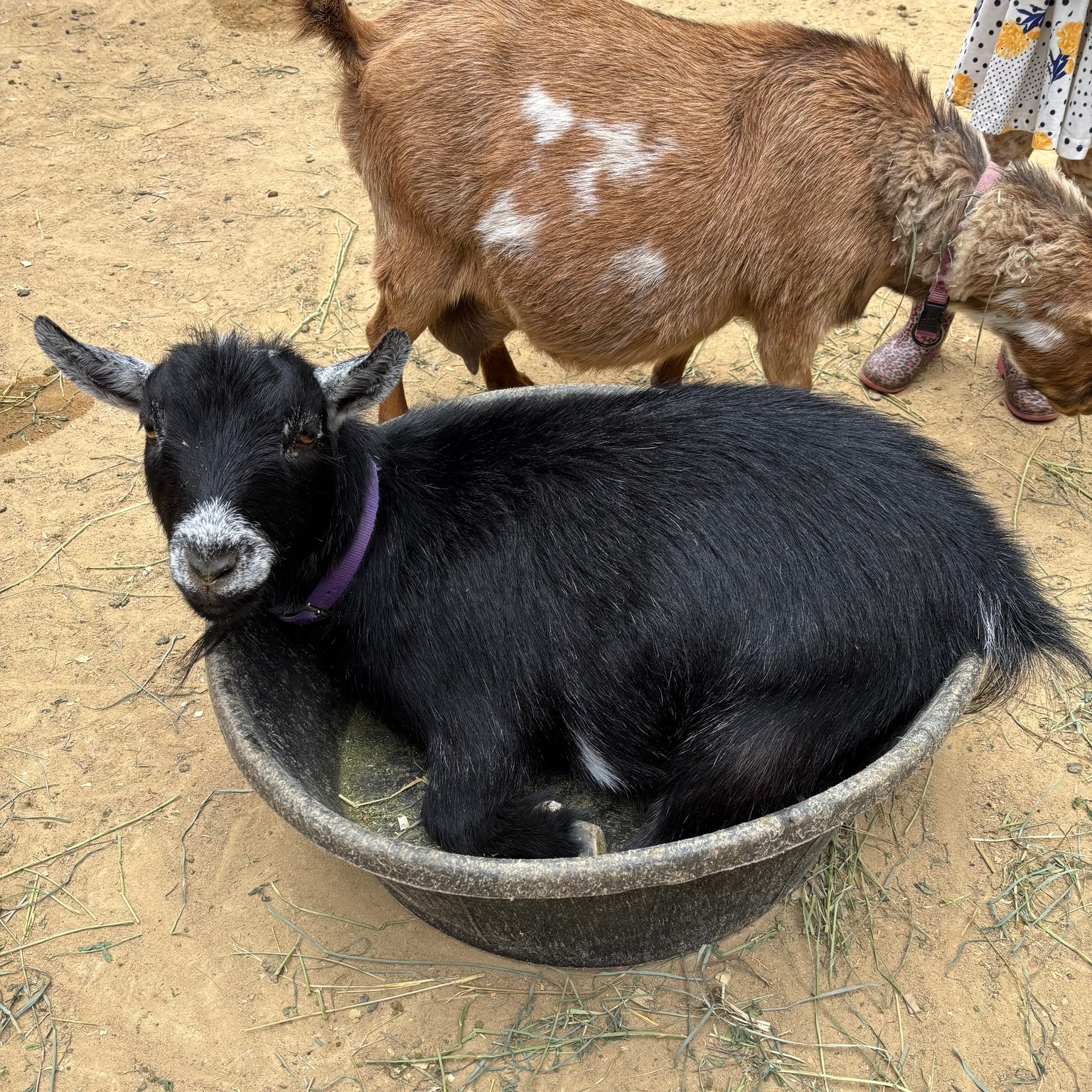
Expanding the focus to “If I fits, I sits” highlights its Broad Scope Across Different Animal Species. This behavior is not exclusive to cats or dogs, as various species exhibit similar tendencies. For example, goats are known to seek out tight nooks, often placing themselves in precarious situations to fit into limited spaces. This behavior, rooted in their inherently curious nature, also serves a practical purpose. By exploring small environments, goats can find food, shelter, or a vantage point to observe predators or intruders.
Rats display this behavior as well. In a laboratory setting, these small mammals often seek out confined areas as a way to escape threats or stressors. This instinctual reaction facilitates their survival, especially in urban settings where they frequently encounter natural predators or human disturbances. Similar patterns can be seen in many other mammals and even birds, illustrating that the principle of “If I fits, I sits” is widespread across the animal kingdom.
Practical Applications and Implications for Zoo Management and Animal Welfare are vital considerations in how we house and interact with animals in captivity. The observation of “If I fits, I sits” underscores the need for appropriate environmental enrichment. Zoos and sanctuaries can enhance the well-being of animals by replicating natural habitats with spaces that allow for exploratory behavior. Providing secure hiding spots, such as caves, boxes, or even trees with hollows, allows animals to express their natural instincts, thereby reducing stress and promoting more harmonious social interactions.
Equipped with knowledge about animal behaviors, zoo managers can implement better educational programs for visitors to appreciate the complexities of animal needs. Animals are not merely exhibits but living beings requiring mental stimulation and opportunities to engage in naturalistic behaviors. By adopting a holistic approach to animal management that respects their need for comfort and safety, zoos can foster environments that reflect the animals’ natural behaviors.
Conservation Insights from Animal Behavior in Captivity and the Wild reveal the importance of understanding how these behaviors translate into their natural habitats. The propensity to seek confined spaces can inform conservation strategies tailored to specific species’ needs. For instance, to aid in the conservation of endangered species, wildlife reserves may need to consider the types of shelters provided, creating environments that replicate safe, enclosed spaces familiar to the animals.
Moreover, research into these behaviors can shed light on habitat loss. As natural environments are altered or destroyed, animals may resort to unfamiliar behaviors, leading to increased stress or failure to thrive. This understanding emphasizes the need for more effective conservation strategies that prioritize the creation of safe, enriching habitats. By integrating behavioral insights into conservation efforts, we not only improve animal welfare in the wild but also contribute to their overall survival.
Future Research Directions in Animal Behavior and Habitat Preferences are essential for advancing our understanding of “If I fits, I sits.” Much remains to be explored regarding how different species adapt their behaviors in response to environmental changes. Longitudinal studies can provide insights into how animals modify their space preferences over time, exploring the implications of urbanization, climate change, and habitat fragmentation.
Innovative technologies, such as GPS tracking and behavioral monitoring systems, offer promising avenues for research in this area. Understanding the spatial preferences of various species will allow researchers and conservationists to factor these behaviors into policy-making and habitat restoration initiatives. The implications extend far beyond the individual animals; they affect ecosystem dynamics, resource management, and biodiversity conservation.
By pursuing a deeper understanding of the “If I fits, I sits” phenomenon, researchers and conservationists can work towards creating better living conditions for animals in captivity and more effective conservation policies for those in the wild. The implications are significant for species conservation, animal welfare, and ecological balance, addressing habitat needs, social behaviors, and environmental stresses in an interconnected world.
Animal behavior, particularly the “If I fits, I sits” rule, offers a wealth of knowledge that can guide humane management practices in both captivity and the wild. Recognizing that this behavior extends beyond simply fitting into a space helps to foster a profound appreciation for the instincts that govern animal survival. The principles learned from this phenomenon are intrinsic to understanding the broader conversation on animal welfare, conservation strategies, and the ecological responsibilities we all share.
*****
Source Description
🐐 If I fits, I sits!
This rule doesn’t just apply to cats. 😉
