
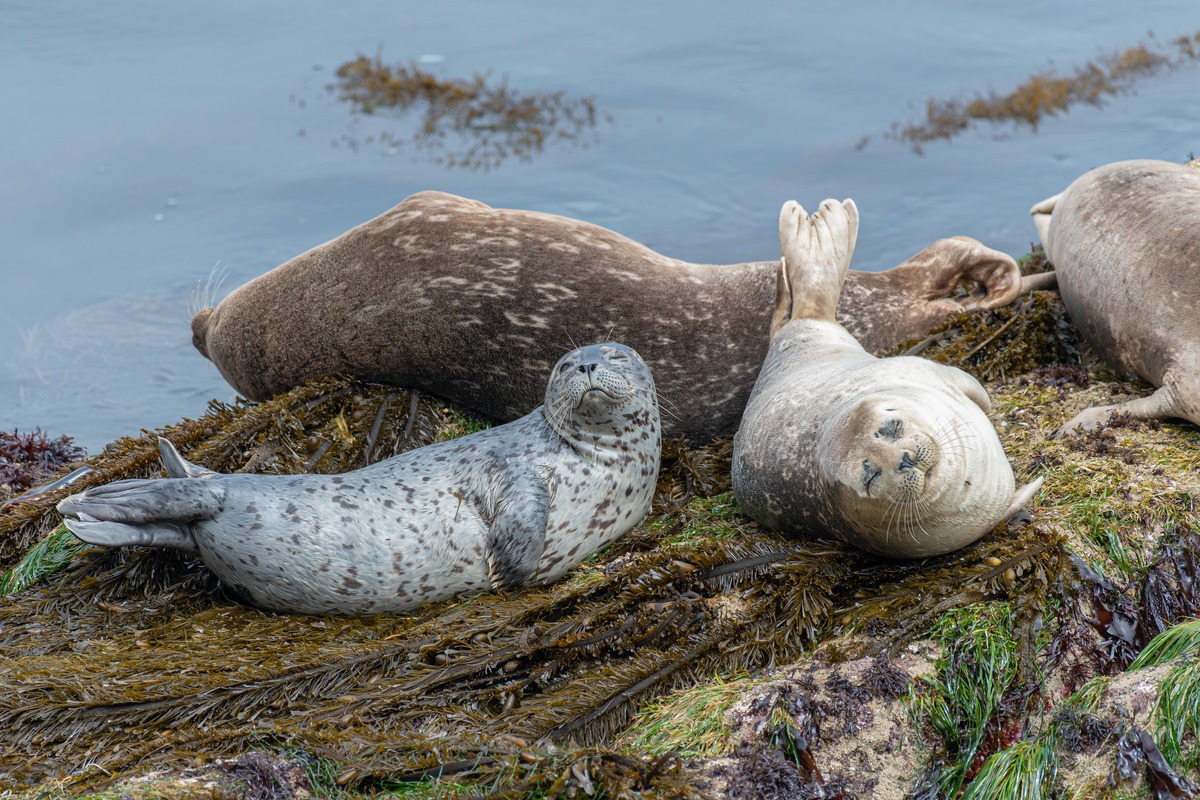
- The significance of California’s ocean ecosystems and the role of CDFW in maintaining them.
- The potential impacts of proposed staffing cuts on marine protected areas and biodiversity.
- The importance of habitat management, scientific research, and enforcement by the CDFW.
- The collaborative efforts between CDFW and organizations in protecting ocean life.
- Advocacy and the roles of governmental and non-profit entities in safeguarding marine environments.
California’s ocean ecosystems are vital to the state’s biodiversity and overall environmental health. Encompassing a diverse range of species and habitats, these waters provide essential services, including climate regulation, resources for fisheries, and recreational opportunities. Central to their management and protection is the California Department of Fish and Wildlife (CDFW), tasked with conserving and ensuring sustainable use of these marine treasures.
The proposed staffing cuts to the CDFW threaten to undermine the very structures that support marine life. Reduced staffing means less capacity to monitor and implement critical programs. For instance, marine protected areas, carefully designated for conservation, rely on regular oversight to maintain ecological balance. Staffing reductions could jeopardize this oversight, allowing for unchecked human activity and ecological degradation.
Marine biodiversity hinges on habitat management, scientific research, and effective enforcement. The CDFW plays an integral role in protecting various species, from kelp forests to marine mammals. Scientific research underpins these efforts, providing data necessary for making informed decisions. Staffing cuts could hinder research capabilities, limiting understanding of ecological changes and reducing the effectiveness of conservation strategies.
Enforcement is equally critical. Regulations aiming to protect endangered species and maintain sustainable fisheries are only as strong as their enforcement. With fewer personnel, the ability to patrol areas and ensure compliance diminishes. The result could be increased poaching and illegal fishing activities, further threatening vulnerable species.
Collaborative efforts between the CDFW and organizations like the National Marine Sanctuaries are key to preserving these natural resources. These partnerships have led to successful initiatives in marine preservation and education. Staffing cuts risk weakening these collaborations, as reduced resources mean less capacity to engage in joint ventures and leverage combined expertise effectively.
Advocacy remains essential in addressing these challenges. Lawmakers and environmental advocates are calling for action to prevent these staffing reductions. Championing the cause are figures like Senator Catherine Blakespear and Assemblymember Damon Connolly, whose support highlights the importance of a well-resourced CDFW. Efforts to influence policy and budget decisions emphasize the broader impact on California’s natural heritage and call for sustained commitment to environmental stewardship.
The ocean’s health is a shared responsibility, and its preservation yields significant societal benefits. Educational engagement and public awareness can empower communities to support initiatives aimed at protecting these ecosystems. By understanding the threats posed by staffing cuts, stakeholders can better advocate for a robust CDFW that continues to serve as a guardian of California’s ocean life.
The stakes are high, and the impacts of these proposed cuts extend beyond administrative challenges. They concern the fundamental well-being of ecosystems integral to the fabric of California’s environmental and cultural identity. Supporting the CDFW’s capacity is not only about saving jobs; it is about preserving the irreplaceable natural wonders of the Pacific Ocean.
*****
Source Description
How do proposed staffing cuts to @CaliforniaDFW affect the ocean you love?
“California’s wildlife and ocean health depend on a strong, well-resourced California Department of Fish and Wildlife. At we’ve worked closely with CDFW on marine protected areas, permitting, and protecting ocean ecosystems and wildlife. These proposed staffing cuts would undermine critical science, habitat management, permitting, and enforcement needs. We urge and @GovernorNewsom to protect CDFW’s capacity—and thank @SenatorBlakespear and @asmdamonconnolly for standing up for our wildlife and ecosystems.”
–Amy Wolfrum, director of California policy and government affairs
There’s wonder in ocean life and caring for it helps us all.
