
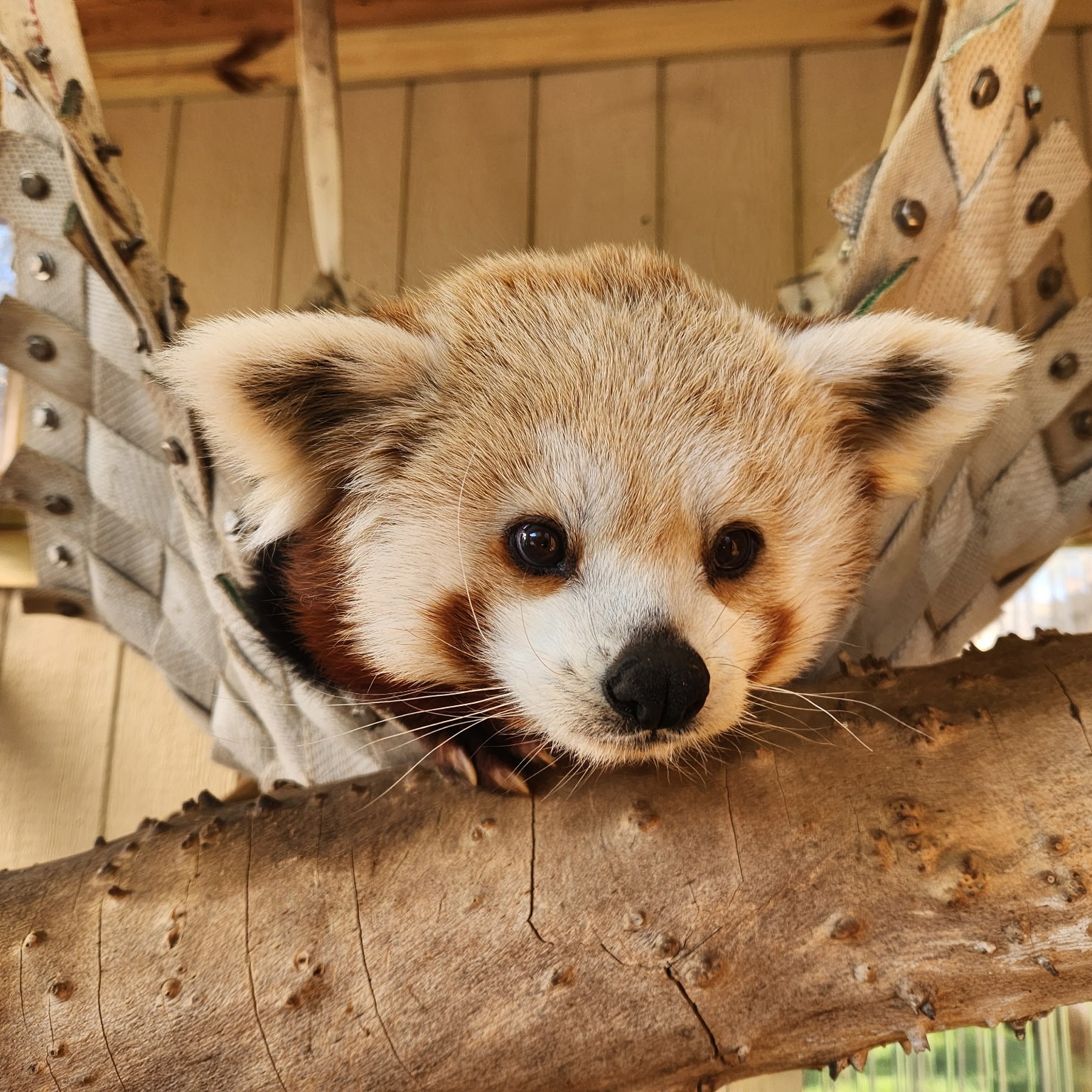
- The significance of Willa’s passing and its impact on the community.
- Understanding the health challenges facing red pandas, particularly kidney disease.
- Willa’s life and personality as a resident of Chattanooga Zoo.
- The role of zoos in red panda conservation and education.
- Future efforts to honor Willa’s legacy and support red panda conservation.
Willa’s passing is a profound loss, not only for the Chattanooga Zoo but also for the community that cherished her. As one of the few red pandas in the region, her presence drew many visitors, creating a bond that transcended the boundaries of species. Red pandas often serve as ambassadors for their endangered status in the wild, and Willa embodied this role beautifully during her time at the zoo. Her passing will undoubtedly resonate with local residents who have watched her grow and thrive over the years. This collective grief highlights the emotional connections that can exist between humans and wildlife, emphasizing the importance of each animal in fostering environmental awareness and empathy.
The health issues that Willa faced, particularly kidney disease, are common among older red pandas. In many cases, this condition can advance rapidly, as it did with her. Chronic kidney disease is notoriously prevalent among older individuals of this species. Animal health data suggests that red pandas can develop kidney failure due to various factors, including diet, stress, and heredity. Regular veterinary check-ups are vital for early detection, but swift changes can sometimes catch even the most vigilant caregivers off guard. Willa’s experience underscores the pressing need for improved understanding and management of health issues within this vulnerable population.
Willa was nearly 11 years old, surpassing the median life expectancy of 10 years for female red pandas of her subspecies. This milestone is a testament to the quality of care she received at the Chattanooga Zoo. She was known for her laid-back demeanor, often serving as a calming presence among her peers, Avi and Saffron. Willa played a crucial role in their introductions, offering a sense of security during what can be an unsettling time for animals. She thrived in an enriched environment that catered to her natural instincts and preferences. Activities such as manipulating wooden blocks or carrying stuffed animals allowed her to engage with her surroundings, fostering both physical and mental well-being.
Diet is another important aspect of red panda health, and Willa had her favorites. Grapes and cranberries were among her go-to treats, which not only provided her with enjoyment but also contributed to her hydration and nutritional balance. These nutritional preferences reveal the importance of offering diverse foods to captive red pandas, ensuring they maintain a healthy diet that mimics their natural food sources. The connection between diet and health is critical, especially as these animals age. The need for tailored nutrition plans becomes increasingly apparent when dealing with health complications, making ongoing research essential in this area.
The Chattanooga Zoo plays a vital role in red panda conservation and education efforts. The institution is part of a broader network dedicated to preserving endangered species through habitat conservation, breeding programs, and public awareness initiatives. Zoos not only provide a safe haven for threatened animals but also serve as vital education platforms to inform the public about the conservation challenges these creatures face. With the decline of red panda populations in their native habitats due to deforestation, poaching, and climate change, providing insights into their plight is critical for inspiring conservation action.
Willa’s life story will now serve as a powerful reminder of the importance of red panda conservation. Her legacy can motivate continued efforts in education and engagement to protect these animals and their habitats. The Chattanooga Zoo plans to enhance its educational programs to commemorate Willa’s impact. This may involve interactive exhibits that focus on red panda biology, behavior, and the challenges they face in the wild. Engaging local communities in these initiatives can foster a deeper understanding and hopefully inspire meaningful conservation action.
In addition to educational programs, future research opportunities will be explored to improve the health management of red pandas. The data gathered from Willa’s health issues will contribute to a greater understanding of kidney disease in older red pandas, ultimately benefiting the care of not just those at Chattanooga Zoo but in other facilities as well. Collaborative studies aimed at establishing baseline health indicators for aging red pandas could lead to earlier interventions for similar conditions. This aligns with broader conservation strategies that not only aim to protect wildlife through direct action but also enhance our understanding of their biology and healthcare.
Willa’s passing also serves as a moment of reflection on the delicate balance between wildlife and conservation efforts. Each animal has a unique role in its ecosystem, and losing one brings attention to the fragility of those connections. This underscores the necessity for continued outreach to support wildlife conservation initiatives. Local citizens, businesses, and visitors to the zoo can participate in various programs that contribute to the protection of red pandas in the wild. This will create a community of advocates dedicated to sustaining biodiversity.
By honoring Willa’s memory through education and outreach, the Chattanooga Zoo fosters a deeper connection between its visitors and the mission of conservation. As individuals learn more about the specific challenges red pandas face, they are more likely to appreciate the need for sustainable practices in their own lives. This kind of community engagement is crucial for aligning local interests with global conservation goals.
Efforts to recognize Willa’s legacy might also include partnerships with established conservation organizations focused on red panda protection. Such collaborations can help amplify conservation messages and provide resources for habitat restoration projects. By investing in the health of ecosystems that support red panda populations, we take steps toward ensuring their survival for generations to come.
Willa’s life at the Chattanooga Zoo has had a lasting impact on both staff and guests alike, reinforcing the emotional bond that exists between humans and animals. The memory of her playful nature, her interactions with other animals, and her dedication to enriching her environment will remain cherished. This serves to highlight the importance of zoos as conservation partners, as they provide both sanctuary and inspiration.
Observing Willa sleep, often with her tongue slipping out, provided both comfort and joy. These simple moments connect us more profoundly to the animal kingdom. They remind us that wildlife not only thrives in habitats but also in the hearts of those who nurture them.
The legacy of Willa reinforces the responsibility we hold as stewards of the environment. It reminds us that the fight for conservation is deeply tied to our communities and the emotional connections we cultivate. Future zoo initiatives will aim to continue fostering connections that bridge the gap between wildlife and people, inspiring new generations to champion the cause.
Willa’s passing has left a void that will be felt keenly. Yet this moment also propels us forward, serving as a clarion call for enhanced conservation efforts, increased educational outreach, and community engagement. As we celebrate Willa’s life, we must also recognize that every effort counts toward preserving the beauty of biodiversity and the ecosystems that support it.
Thus, the journey continues, as does the responsibility that lies ahead. The legacy of Willa will ensure that her story is not just a chapter in the past but a beacon guiding us into the future of red panda conservation.
*****
Source Description
It is with immense grief that we announce the passing of Willa, one of our red pandas and a truly beloved member of our family. Willa came to Chattanooga Zoo in 2019, and we are deeply grateful for the six years we spent with her. We know that many Chattanoogans will also feel the weight of this loss.
Willa was nearly 11 years old, surpassing the median life expectancy of 10 for female red pandas of her subspecies. Earlier this week, she experienced a severe GI blockage that required immediate surgery. As our veterinary team was operating, it became apparent through her blood work that Willa was also in kidney failure. After her surgery, Willa did not fully recover from the anesthesia. Despite our best efforts with CPR, oxygen and other measures, she passed away. It is likely that her kidney failure contributed to this result, but we won’t have additional information until necropsy reports are finalized. Anesthesia can cause complications with elderly animals, but resolving her GI blockage was an absolute necessity to try and save her life. Willa’s blood work from earlier this year showed normal results, meaning her kidney disease advanced rapidly over the past several months. Kidney disease is common among red pandas, especially in older animals.
Willa lived a long life surrounded by so many people who loved her. She was laid back and relaxed, and even helped serve as a mediator and calming presence for Avi and Saffron, two of our other red pandas, during their initial introduction. She loved enrichment activities, especially wooden blocks, stuffed animals or anything else she could carry throughout her exhibit. She loved grapes and cranberries, and she loved to nap. She was often seen sleeping with her tongue slipping out of her mouth – something keepers and guests found very endearing.
We will miss her tremendously.
