
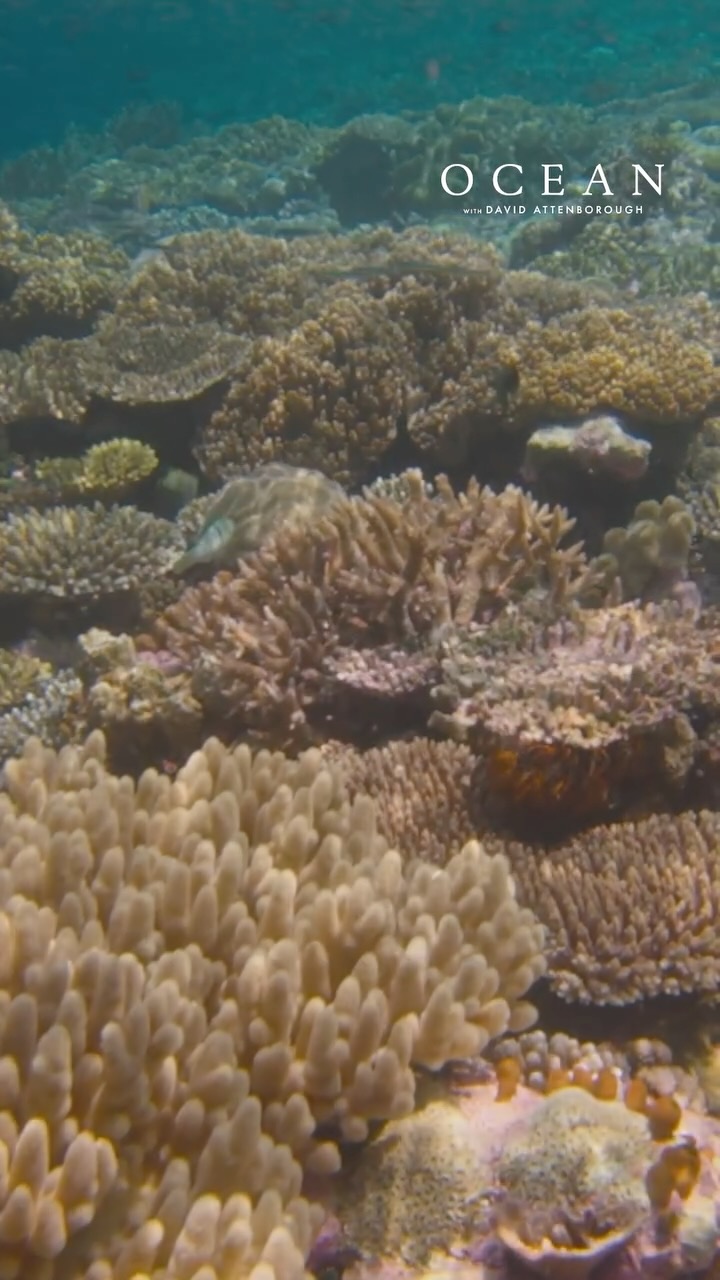
- The transformation of our understanding of oceans throughout Sir David Attenborough’s lifetime.
- Sir David Attenborough’s early experiences with the ocean and their significance.
- The crucial role of oceans in maintaining ecological balance and supporting human life.
- Challenges faced by our oceans today and the urgent need for conservation.
- Strategies and efforts required to protect marine ecosystems for future generations.
The transformation of our understanding of oceans throughout Sir David Attenborough’s lifetime is nothing short of remarkable. Since the mid-20th century, technological advancements and scientific research have unveiled the extraordinary complexity of marine environments. Initially, the ocean was perceived as an endless resource, a vast expanse beyond human comprehension. However, through the work of dedicated scientists and naturalists like Sir David, our perception has shifted dramatically. Today, we recognize oceans as integral to our planet’s health, home to myriad life forms, and pivotal in regulating climate.
Sir David’s first scuba diving experience was a defining moment, immersing him in the vibrant underwater world. It was an introduction to the rich tapestry of life beneath the waves, a microcosm of diversity that sparked a lifelong passion for marine conservation. By witnessing this beauty firsthand, he brought the wonders of the ocean into living rooms worldwide, raising awareness of its splendor and fragility. His efforts have helped foster a global appreciation for marine biodiversity and the critical importance of preserving these habitats.
Oceans play a crucial role in maintaining ecological balance and supporting human survival. They regulate climate by absorbing carbon dioxide and heat, influence weather patterns, and supply more than half of the oxygen we breathe. Additionally, they support the livelihoods of billions of people, provide sustenance, and are a source of recreation and cultural identity. Understanding these functions underscores the ocean’s value not just as a resource but as a vital component of Earth’s ecosystem.
Despite their importance, oceans face mounting threats. Pollution, overfishing, climate change, and habitat destruction pose severe challenges to marine life. Coral reefs, often referred to as the rainforests of the sea, are particularly vulnerable. Rising ocean temperatures and acidification are causing widespread coral bleaching, affecting the vast array of life they support. The loss of biodiversity in these environments is alarming, highlighting the urgent need for robust conservation strategies.
Efforts to protect marine ecosystems are diverse and have gained momentum globally. Marine protected areas (MPAs) are expanding, aiming to preserve essential habitats and allow ecosystems to recover. Reducing carbon emissions is crucial to addressing climate change impacts on oceans. Sustainable fishing practices must be prioritized to prevent overexploitation of marine resources. Public awareness and education are vital, empowering communities to participate in conservation efforts and advocate for responsible stewardship.
In summary, the evolution of our understanding of oceans parallels the profound change in how we view our relationship with nature. Sir David Attenborough’s lifetime of work has been instrumental in this transformation. By safeguarding our oceans, we protect an irreplaceable asset that sustains life on Earth. The need for collective action has never been greater, and the responsibility to preserve this invaluable treasure rests with each one of us.
*****
Source Description
In Sir David Attenborough’s lifetime, our ocean has gone from a complete mystery to what we now know is the most important place on Earth.
In this new clip from he remembers his first time scuba diving – witnessing the breathtaking beauty and miraculous variety of life beneath the water.
For people and the planet, we must safeguard the ocean.
@Silverback_Films @OpenPlanetOrg
