
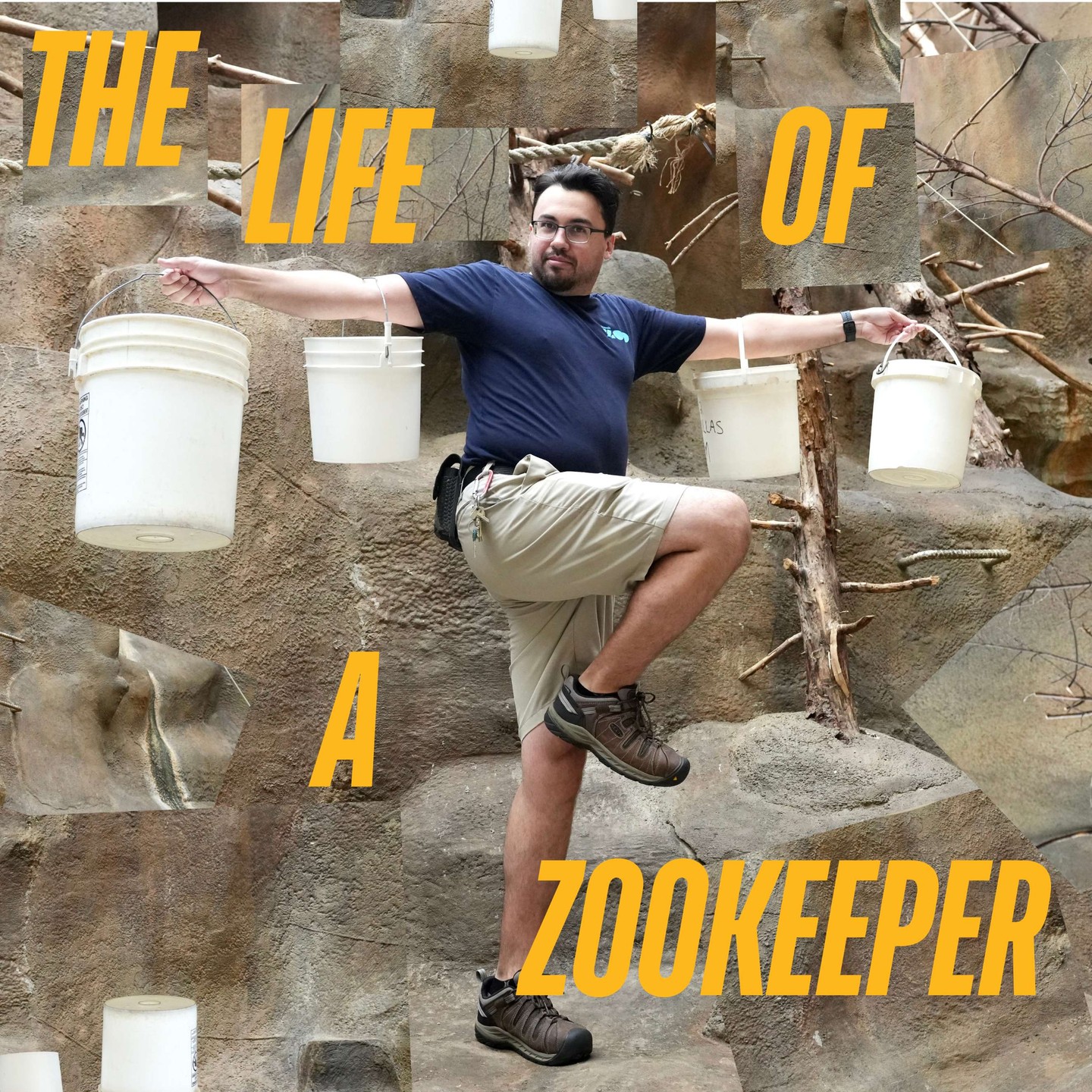
- The vital role of zookeepers in animal care and conservation.
- Daily tasks and responsibilities of zookeepers.
- The importance of teamwork in a zoo environment.
- Public engagement and education initiatives led by zookeepers.
- The challenges facing zookeepers in modern wildlife management.
Zookeepers perform essential duties that directly contribute to the well-being of both animals and the public. Their role goes far beyond just feeding and cleaning; they are frontline workers in the field of wildlife conservation. They maintain habitats, ensure animal health, and educate visitors about the species they care for. Zookeepers are critical to species preservation, especially for endangered animals. They implement breeding programs, conduct health assessments, and collaborate with conservation organizations. By doing this, they help to maintain genetic diversity and support recovery efforts for species at risk of extinction.
Daily life for zookeepers is diverse and dynamic. Their distinct duties can vary by species and habitat. Morning routines may begin with essential tasks, such as the cleaning of enclosures and checking for any signs of illness. Maintaining a clean habitat is vital for the health of animals in captivity. This includes regular cage cleaning and ensuring that water sources are fresh and free of contaminants. Feeding schedules are crucial and are adjusted according to the dietary needs of each species. Zookeepers often have in-depth knowledge of animal diets, including natural feeding habits in the wild, which helps replicate those needs in a zoo setting.
The role of teamwork cannot be overstated within a zoo environment. Zookeepers frequently collaborate with veterinarians, nutritionists, and education staff to provide comprehensive care for the animals. Regular meetings help staff stay updated on animal welfare and share observations or concerns about specific animals. This collaborative spirit ensures that animals receive care tailored to their individual needs. Each team member brings a different set of skills and knowledge, creating a well-rounded approach to animal management.
Public engagement is another significant aspect of a zookeeper’s role. Education programs are designed to inform visitors about various species and conservation issues. Through interactive experiences like animal encounters and behind-the-scenes tours, zookeepers foster a deeper understanding of wildlife. These educational initiatives are essential for building public interest in wildlife conservation. The more people learn about animals, the more they appreciate and support conservation efforts globally. Zookeepers play a vital role in connecting the public to the animal kingdom, often using storytelling as a tool to highlight the individual traits and behaviors of different species.
Challenges faced by zookeepers today are considerable. Issues such as habitat loss, climate change, and the illegal wildlife trade create ongoing threats to many species. In a zoo setting, zookeepers work to mitigate these risks by promoting sustainable practices and ensuring that animal care reflects the latest scientific research. Continuous education and training allow zookeepers to adapt to new findings and methodologies. They must balance the well-being of the animals with the necessity of engaging the public and raising awareness about current conservation challenges.
The future of zoo management relies on passionate individuals like Keenan, Jessica, Aaron, and Reine, who thrive in their “zookeeper era.” They exemplify the essential work involved in animal care, each of them contributing to a collective mission. This work not only impacts the lives of the animals but also influences the public’s perception of conservation. By making the whole place shimmer with their dedication and enthusiasm, they inspire others to recognize the importance of wildlife preservation. Then, as you string together your friendship bracelets with the name “ZOOKEEPER,” it serves not only as a nod to these dedicated animal caretakers but also as a reminder of the critical role we all play in protecting the planet’s biodiversity.
Zookeepers have a demanding job that requires physical stamina, empathy, and extensive knowledge of animal behavior. Each species has its complexities and care requirements. For example, large mammals such as elephants and giraffes need specialized diets and spaces that cater to their size. In contrast, smaller animals might come from ecosystems that require significantly different environmental parameters, including appropriate humidity and temperature levels. Zookeepers must be attuned to these needs to ensure optimal living conditions.
Moreover, zookeepers often engage in enrichment activities that stimulate animal behaviors and encourage natural instincts. This could involve creating puzzles that challenge primates, hiding food to prompt hunting behaviors in carnivores, or providing climbing structures for arboreal species. Enrichment is vital to prevent boredom and stress in captivity, leading to healthier and happier animals.
Zookeepers also collect data for research and management. Monitoring animal health through records of weight, diet, behavior, and reproduction can provide insights into species population dynamics. Such data is critical for making informed management decisions within the zoo. It also contributes to broader wildlife conservation efforts, allowing for better strategies to support endangered species in their natural habitats.
In addition to their responsibilities within the enclosure, zookeepers often engage in outreach and community involvement. This includes participating in local events or school programs to advocate for conservation efforts. By fostering relationships with the community, zookeepers help cultivate future generations of wildlife advocates. Encouraging people to visit zoos and participate in conservation programs can lead to increased public support and funding for wildlife initiatives.
Zookeepers are advocates for animals, not just in their care but also in the messaging they disseminate to the public. This role is vital, particularly with the growing concerns around biodiversity loss and environmental sustainability. By discussing issues such as habitat destruction and climate change, zookeepers educate visitors on how their choices impact wildlife. They strive to empower the community to make changes in their lifestyles that support wildlife conservation, such as reducing plastic use, advocating for wildlife-friendly policies, or participating in local conservation efforts.
The diverse experiences of zookeepers like Keenan, Jessica, Aaron, and Reine allow them to grow and adapt in their roles. Each encounter with an animal presents a learning opportunity, reinforcing their commitment to animal welfare and conservation. Their work serves as inspiration for anyone interested in environmental stewardship.
The collective effort of these zookeepers and many others provides a microcosm of the broader conservation movement. Their dedication shines a light on how humans can positively impact the ecosystem around them. As we string our friendship bracelets that spell out “ZOOKEEPER,” we remind ourselves of the bond between animals and humans, along with our shared responsibility to protect our planet for future generations.
Zookeepers embody a blend of science, compassion, and activism. Their influence extends far beyond the walls of the zoo. The legacy they create is built on a foundation of education, community engagement, and dedicated animal care. By nurturing the connection between humans and animals, they pave the way for a more informed and compassionate public.
In the larger context of ecological conservation, the role of zookeepers is essential, ensuring that our collective efforts in safeguarding wildlife continue to thrive. Each day spent caring for animals is a step toward a healthier planet, highlighting why professions like zookeeping are vital not only for the animals they protect but for humanity as well. These animal caregivers not only make the “whole place shimmer,” but they also contribute significantly to the survival of countless species. Through their hard work, the zookeepers transform their spaces into sanctuaries, reinforcing the interconnectedness of all life on Earth.
*****
Source Description
They are deep in their zookeeper era and we think they make the whole place shimmer! 🤩✨
Keenan, Jessica, Aaron and Reine strike a pose to show that their lives are just as glamorous as your favorite pop princess.
From cleaning habitats to feeding and caring for animals, their work is super-star important. So get out your friendship bracelet supplies and start stringing ‘ZOOKEEPER’ together as a nod to these animal besties.
