
- Increasing strandings of mobula rays in the Spanish Mediterranean.
- Collaborative research efforts by Spanish regional experts.
- Possible causes and factors behind the strandings.
- Conservation status and significance of mobula rays.
- The role of public and scientific collaboration in conservation efforts.
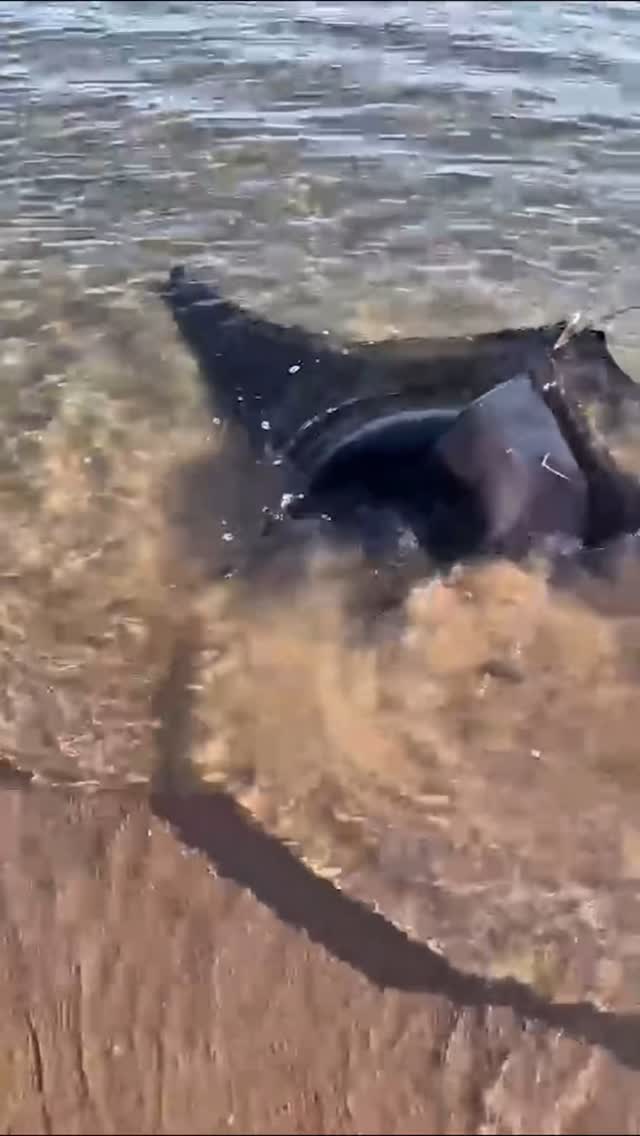
Recent observations have shown a notable increase in the stranding of mobula rays along the Spanish Mediterranean coast. This phenomenon has caught the attention of marine specialists from several regions including Cataluña, Comunidad Valenciana, Andalucía, and the Balearic Islands. These experts are delving into an uncommon scenario: nearly 20 mobula rays, scientifically known as Mobula mobular, have been found stranded on various beaches this spring. In particular, five of these occurrences have been documented in the Comunidad Valenciana.
This situation has prompted the formation of a multidisciplinary task force aimed at conducting comprehensive analyses. Although no clear pattern has emerged, there is a consensus among scientists that these strandings could result from a combination of ecological and environmental factors. Therefore, the team is focusing on pathological and environmental assessments to gain deeper insights.
When encountering a stranded mobula ray, it is imperative to observe certain guidelines to avoid exacerbating the situation. Authorities advise contacting emergency services at 112, refraining from handling the animal, and maintaining a safe distance to minimize stress. This protocol is crucial for ensuring the well-being of the animals during such vulnerable moments.
Mobula rays are currently classified as endangered by the International Union for Conservation of Nature (IUCN). Their growing presence highlights the Mediterranean’s critical role in their lifecycle and underscores the urgent need for conservation initiatives. Protecting these species involves understanding their habitat, behavior, and the challenges they face.
The collaborative efforts between citizens and scientists are vital for the conservation of mobula rays. Community engagement and awareness can drive more effective conservation strategies and policy changes. In addition, local authorities and marine biologists are working on educational campaigns to foster public understanding and participation.
To visually document these occurrences, drone footage and images have been shared, offering a new perspective on the situation. This imagery serves as a valuable tool in both research and raising awareness about the plight of mobula rays.
Studying and addressing the causes of these strandings requires an intricate understanding of marine ecosystems. Factors such as climate change, pollution, and human activity could be influencing these incidents. Understanding these influences is crucial for developing strategies to mitigate their impact on mobula ray populations.
Scientists are also investigating the health of these animals through necropsies and other medical analyses. Pathological studies may reveal infections, injuries, or other conditions that could explain the increased strandings. These findings are essential for informing conservation strategies and improving the chances of survival for these rays.
The increase in strandings has highlighted the need for policies and practices that safeguard marine life. Protecting their habitat from degradation and ensuring their safe passage through Mediterranean waters are key priorities.
Educational outreach is another critical component. By fostering a broader understanding of marine life and ecosystems, conservationists hope to inspire protective measures and behaviors among coastal communities. Spotting and reporting stranded rays can significantly contribute to conservation objectives.
In summary, the rising number of mobula ray strandings in the Spanish Mediterranean demands urgent attention and action. Through coordinated scientific research and robust community involvement, there is hope to alter the future of these majestic marine creatures for the better. Mobilizing resources both on land and at sea is essential for preserving their populations and ensuring the health of the Mediterranean’s marine biodiversity.
*****
Source Description
⚠️ Aumentan los varamientos de mantas en las playas del Mediterráneo español 🦈
Especialistas de Cataluña, Comunidad Valenciana, Andalucía e Islas Baleares investigan un fenómeno inusual: cerca de 20 mantas (𝘔𝘰𝘣𝘶𝘭𝘢 𝘮𝘰𝘣𝘶𝘭𝘢𝘳) han aparecido varadas esta primavera en distintas playas del litoral mediterráneo. De estos 20, 5 se han registrado en las costas de la Comunidad Valenciana.
🔬 Aunque no se ha identificado un patrón claro, los expertos coinciden en que podría deberse a múltiples factores combinados. Por ello, se han unido en un grupo de trabajo para coordinar análisis patológicos y medioambientales.
📣 Si ves una manta en la playa: llama al 112, no la manipules ni intentes devolverla al mar. Mantén distancia y evita causarle más estrés.
🌊 La presencia creciente de esta especie, en peligro de extinción según la UICN, subraya la importancia del Mediterráneo español en su ciclo de vida y la necesidad urgente de medidas de conservación.
🤝 La colaboración ciudadana y científica es clave para protegerlas.
📸 Imágenes de dron: @policialocaloliva
