
- The significance of Lowland Anoas in biodiversity conservation
- Animal care strategies for Lowland Anoas
- Threats to Lowland Anoas and their habitats
- The role of zoos in conservation and public education
- Ethical considerations in wildlife photography and care
Exploring the ecosystem contributions of Lowland Anoas is essential for understanding their role within the greater biodiversity context. These small bovine species, native to the islands of Borneo and Sumatra, inhabit tropical rainforests and play a crucial role in their ecosystem. By grazing on vegetation, they help maintain plant diversity and support the overall health of their habitat. This contributes to the stability of local ecosystems, showcasing the interconnectedness of species and their environments.
Lowland Anoas are not merely a curiosity; they serve as indicators of ecological health. Their presence in a region suggests a certain balance in the ecosystem. When populations decline, it often signals underlying issues such as habitat destruction or climate change. Conservation efforts aimed at this species can also benefit many other organisms sharing their habitat, making their preservation vital for comprehensive environmental care.
Animal care for Lowland Anoas presents unique challenges and requirements. Successful management in zoos or sanctuaries involves tailored diets, spacious enclosures, and enriching environments. Their dietary needs consist mainly of grass and foliage, but they can benefit from a range of supplementary foods to ensure they receive all necessary nutrients. The design of their enclosures should mimic their natural habitat as closely as possible, allowing them to exhibit their natural behaviors, such as foraging and socializing.
Moreover, staff training is crucial for animal care team members like Carsyn, who must continuously educate themselves about the needs and behaviors of Lowland Anoas. Behavior observation plays a significant role in understanding their preferences, behavior, and overall well-being. Creating an enriching environment stimulates mental activity and helps reduce stress levels in these animals. By combining veterinary care with environmental enrichment, animal care professionals can enhance the quality of life for these creatures.
Despite their fascinating qualities, Lowland Anoas face numerous threats that jeopardize their populations. Habitat loss due to logging, agriculture, and urban development poses a significant risk. Deforestation, particularly for palm oil production, has drastically reduced their available habitat, leading to increased fragmentation of their populations. This separation can often lead to issues with genetic diversity, making them even more vulnerable to extinction.
Additionally, poaching is a severe threat to Lowland Anoas. Although they are not the primary targets, they can become incidental victims of hunting activities aimed at larger animals. This is particularly concerning as their population numbers are already low; losing even a small number can have lasting effects on their sustaining populations.
Zoos and wildlife sanctuaries play an integral role in conservation efforts for Lowland Anoas. These institutions are not merely places to view animals; they actively participate in conservation programs. Their involvement includes captive breeding programs that aim to bolster low populations and initiatives designed to educate the public about the importance of these animals.
Educational programs inform visitors about the ecological roles of Lowland Anoas, inspiring them to advocate for conservation efforts. Many zoos partner with organizations committed to habitat restoration and sustainable practices, promoting awareness about the threats these animals face. Through these programs, communities can become actively engaged in safeguarding biodiversity.
In the context of wildlife photography, ethical considerations are of utmost importance. Capturing an image of Lowland Anoas can serve not only as an artistic endeavor but also as an educational tool. It is essential to respect the privacy of these animals, ensuring that any photography does not interfere with their natural behaviors or well-being. Using appropriate techniques and adhering to ethical guidelines helps maintain the integrity of wildlife photography.
Photographers should aim to depict subjects in ways that preserve their dignity and context. This is especially relevant when documenting animals like Lowland Anoas, whose natural behaviors are integral to their survival. By creating respectful and informative representations, photographers can amplify awareness about the species and their conservation needs.
The discussion surrounding Lowland Anoas emphasizes their critical role in biodiversity and conservation. Their presence signals a balanced ecosystem, while their management and care highlight the responsibilities of animal care teams, researchers, and conservationists. Tackling the threats they face requires a concerted effort involving multiple stakeholders, including government agencies, NGOs, and zoos.
Through informed public educational initiatives, engagement strategies, and ethical wildlife photography, communities can foster a deeper understanding and appreciation for Lowland Anoas. The path toward their preservation is paved with knowledge, empathy, and action. Whether through direct involvement in conservation work or simple advocacy, every effort counts in securing a future for this valuable species.
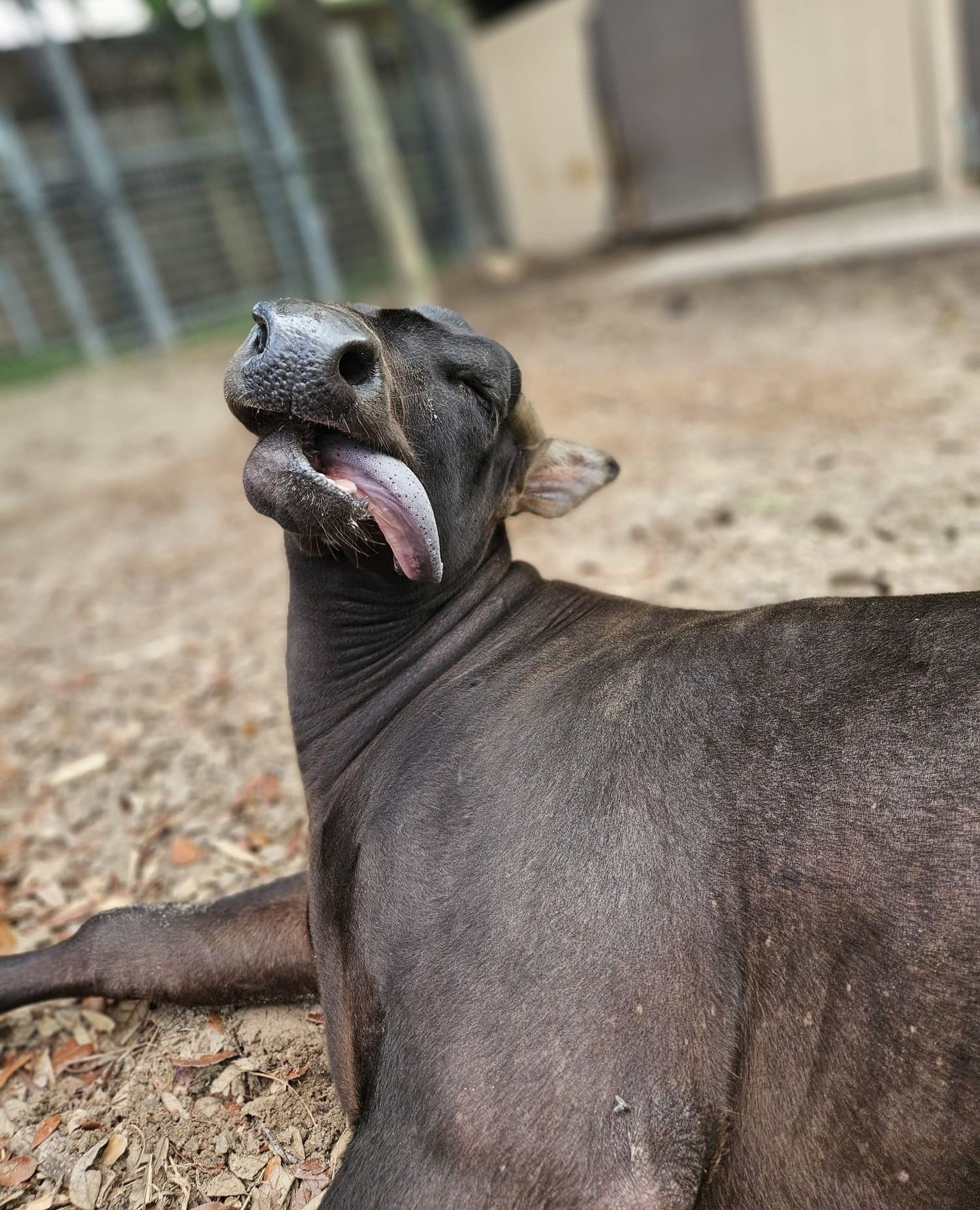
As discussions about specific animals like Brutus, the Lowland Anoa, unfold, they remind us to keep observing, learning, and advocating for the natural world surrounding us. Witnessing captivating moments, captured in compelling photographs, can serve as powerful motivators for wildlife enthusiasts, educators, and conservationists alike. The responsibility now lies with us to continue their stories and ensure they are not relegated to the history books but rather cherished and protected for generations to come.
*****
Source Description
NO ONE tell Brutus that we posted this photo of him. 📸
Or maybe do tell him, we don’t think he would mind. Luckily, Lowland Anoas probably do not have photo preferences. Although… we are not Lowland Anoas – so how could we know for sure? 🤔
📸: Animal Care Team Member Carsyn
