
- The importance of education in zoos and aquariums
- Highlighting the role of zoo educators
- Conservation efforts driven by educational initiatives
- Community engagement through zoo and aquarium education
- Celebrating the International Day of Zoo & Aquarium Educators
Education plays a vital role in the operations of zoos and aquariums. These institutions serve not only as places for recreation but also as platforms for education and research. The International Day of Zoo & Aquarium Educators emphasizes the crucial contributions made by educational professionals in these facilities. Their work helps foster a deeper understanding of the natural world and inspires efforts toward wildlife conservation.
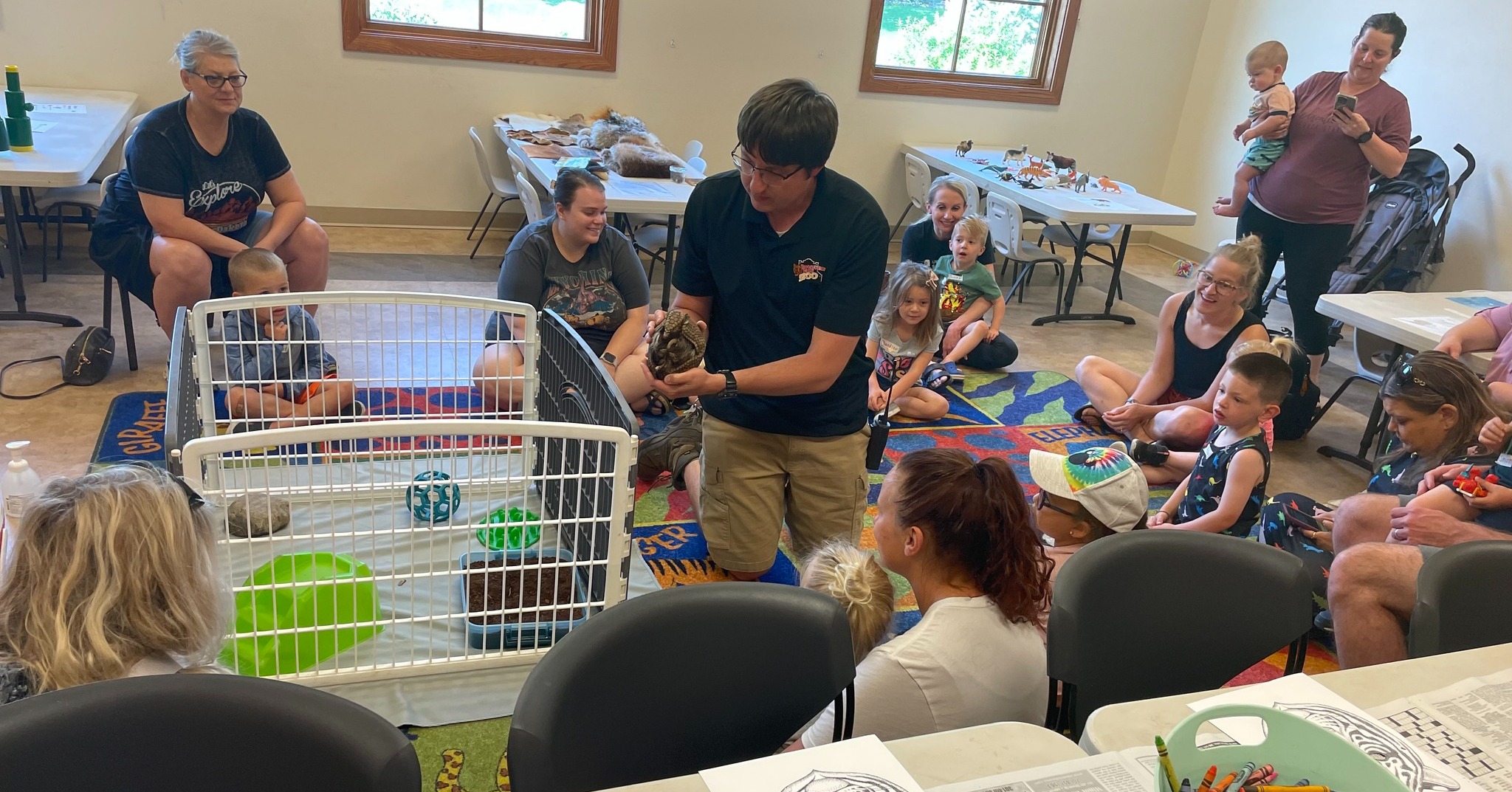
Zoo educators like Travis from Roosevelt Park Zoo exemplify this mission. They provide essential insights into animal behavior, conservation practices, and biodiversity. Through engaging programs, they promote awareness and appreciation for wildlife. Their hands-on approach bridges the gap between complex ecological issues and the public, making science accessible and engaging for all ages.
Zoo and aquarium educators are instrumental in advancing conservation efforts. They teach visitors about endangered species, ecosystems, and the threats posed by human activity. This education is crucial in cultivating a sense of responsibility among the public for the environment. When individuals understand their impact, they are more likely to take action in support of wildlife conservation initiatives.
Furthermore, educators facilitate community engagement through various educational programs. Many zoos and aquariums offer outreach programs, school presentations, and interactive workshops. These initiatives encourage students to participate in hands-on learning experiences. They also promote a sense of stewardship for the environment among young attendees. By connecting local communities with wildlife, educators create a collective responsibility for conservation efforts.
The International Day of Zoo & Aquarium Educators offers an opportunity to recognize these professionals. Celebrations include special events, workshops, and educational programs aimed at enhancing public awareness. On this day, zoos and aquariums worldwide express gratitude for the educators who make significant contributions to wildlife education.
Through these engaging experiences, attendees learn about the importance of biodiversity and how human actions can make a difference. For instance, educator-led presentations can cover topics such as habitat preservation, species extinction, and sustainable practices. These are critical issues that impact animal populations globally, needing urgent attention.
Engagement with various communities enables educators to tailor their programs to meet diverse audience needs. Some programs may focus on local wildlife, while others might address global conservation challenges. This flexibility allows educators to connect with a broader audience, ensuring the message resonates with different groups.
Zoo educators also employ the latest technologies and teaching methods, enhancing the learning experience. Interactive exhibits, virtual reality tours, and digital resources make the learning process engaging and contemporary. Educators continuously adapt to meet the evolving needs of their audiences while keeping pace with advancements in zoo technology.
Professional development further empowers zoo educators, enabling them to stay informed on best practices and contemporary issues in conservation. Many institutions offer workshops and training sessions. Such initiatives assist educators in honing their skills, ensuring they provide accurate and relevant information to the public.
Institutions play a pivotal role in conservation by conducting scientific research and rehabilitation programs. Zoo and aquarium educators help communicate the significance of these efforts. Informative talks can cover the breeding programs for endangered species, successful habitat restoration projects, and collaborative efforts with conservation organizations.
Community involvement strengthens conservation initiatives. Educators often encourage local communities to participate in citizen science projects. These can include wildlife monitoring, habitat restoration, or clean-up efforts in local parks. Engaging citizens in these activities fosters a sense of ownership over and responsibility for their local ecosystems.
The educational role of zoos and aquariums extends beyond their immediate community. Collaborations with schools, universities, and conservation organizations are vital in broadening the reach of their efforts. Programs that promote research or focus on global conservation challenges can significantly enhance awareness and drive collective action.
In addition to formal education, zoo educators create informal learning opportunities. These could include animal encounters, live demonstrations, and guided tours. Such interactions provide firsthand experiences that leave lasting impressions on participants. The excitement of seeing an animal up close fosters curiosity and empathy towards wildlife.
The significance of wildlife-oriented education has been supported by various studies. Evidence shows that educational programs can significantly influence visitors’ attitudes towards conservation. Programs that foster emotional connections to animals can inspire individuals to become advocates for wildlife protection.
Moreover, by celebrating the International Day of Zoo & Aquarium Educators, zoos and aquariums highlight the importance of education in conservation. They acknowledge the tireless work of educators and their commitment to connecting people with wildlife. This day also serves as a platform for sharing success stories, exploring innovative educational approaches, and enhancing public awareness.
Ongoing support for educational initiatives is vital. Funding and resources must be allocated to programs that aim to educate the public about conservation. As challenges like climate change and habitat destruction continue to threaten wildlife, enlightened public awareness is crucial.
Additionally, the role of educators in interpreting scientific findings cannot be overlooked. They serve as the interface between scientific research and the public. By translating complex information into digestible messages, they prepare individuals to engage with pressing environmental issues meaningfully.
Throughout the year, these educators actively monitor the effectiveness of their programs. They assess visitor engagement through surveys and feedback, continually refining their approaches. This constant evaluation helps ensure that educational content is relevant and impactful.
Institutions are now embracing a more sustainable model for education. Eco-friendly practices within zoos and aquariums contribute to this goal. Educators play a key role in communicating these initiatives to visitors, illustrating the commitment to reducing their ecological footprint.
The day also serves as a celebration of collaboration. Various organizations and institutions frequently join forces to enhance their educational efforts. Partnerships among zoos, aquariums, schools, and conservation organizations create a comprehensive network of support that benefits wildlife education.
Generating a sense of excitement around wildlife conservation can drive action. Engaging programs led by passionate educators can spark interest in younger generations. This can cultivate a new wave of conservationists ready to address challenges in innovative ways.
For many educators, sharing knowledge is a lifelong passion. They continually seek new ideas and methods to reach their audiences. The energy and enthusiasm they bring to their work make it easier for visitors to connect with wildlife and conservation.
On this International Day of Zoo & Aquarium Educators, it’s crucial to recognize the valuable contributions of individuals like Travis at Roosevelt Park Zoo. His commitment provides an inspiring example of how education can shape individual perspectives and promote environmental stewardship.
As we celebrate this day, it’s worth taking a moment to reflect on the impact of zoo and aquarium education. The work being done not only fosters appreciation for wildlife but actively contributes to conservation initiatives worldwide. Community members are encouraged to support these efforts, engage with local educators, and learn more about the incredible wildlife that shares our planet.
In doing so, we not only enrich our own lives but also take part in preserving the magnificent diversity of life on Earth.
*****
Source Description
International Day of Zoo & Aquarium Educators
Today we’re giving a big shoutout to Travis, our incredible educator at Roosevelt Park Zoo! 🦁📚 From sharing fascinating animal facts to inspiring the next generation of conservationists, Travis brings passion, knowledge, and fun to everything he does.
Thank you, Travis, for connecting our community to wildlife and conservation every day! 🌍💚
Drop a like or leave a comment to show him some love!
