
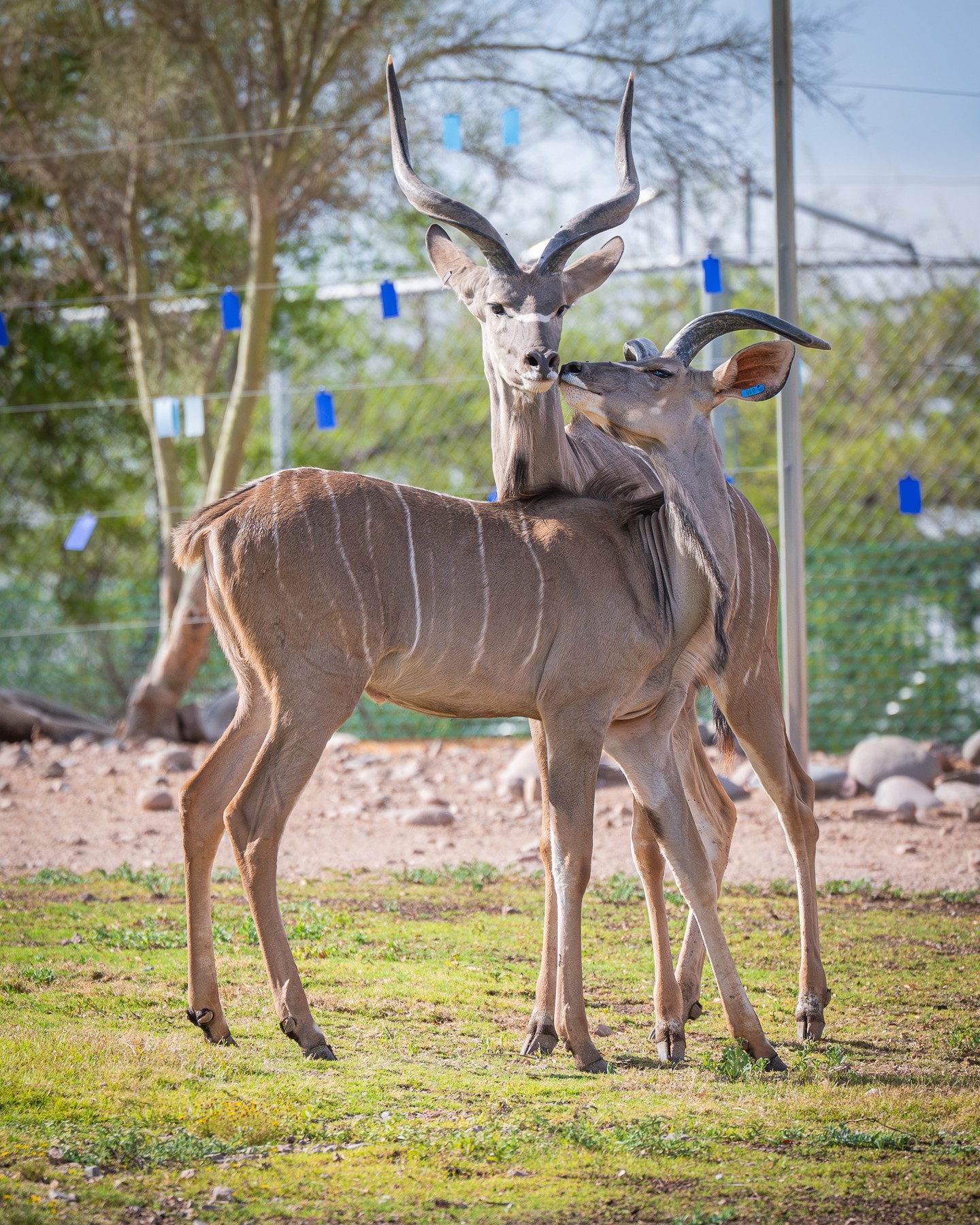
- Introduction to greater kudu and their habitats
- Profiles of Flynn and Mosi, including their backgrounds and journeys
- Importance of species conservation in zoos
- Behavioral and social characteristics of greater kudu
- The role of zoos in wildlife education and conservation efforts
Greater kudus, known for their impressive spiraled horns and striking coloration, inhabit the open woodlands and bushy areas of eastern and southern Africa. These magnificent antelopes have adapted to varied environments ranging from scrublands to savannas. Their physical characteristics—including tall, slender bodies and large ears—help them navigate these habitats effectively and detect potential threats. The introduction of Flynn and Mosi to the Phoenix Zoo adds a new dynamic to the zoo’s mission of wildlife education and conservation.
Flynn was born in the Indianapolis Zoo in 2023. His upbringing in this well-respected institution involved a team of zookeepers dedicated to animal welfare and educational outreach. Flynn’s early life at the Indianapolis Zoo was enriched by naturalistic habitats designed to reflect his native environment. This setting allowed him to develop critical skills for foraging and socializing. His exposure to varied stimuli—like sounds, smells, and fellow animals—was crucial for his growth and acclimatization to zoo life.
In contrast, Mosi hails from the Potawatomi Zoo, where he also spent his early life among dedicated caretakers committed to fostering a naturalistic setting. Each zoo prioritizes not only animal care but educational programs aimed at raising awareness about wildlife conservation. Mosi’s background ranges from informative interactions with visitors to specialized training programs that ensure he engages in natural behaviors. Both Flynn and Mosi have benefited from comprehensive veterinary care and enrichment programs to promote their physical and mental well-being.
The conservation efforts of zoos extend beyond the individual animals they house. These institutions play a part in protecting biodiversity and supporting endangered species through breeding programs and wildlife research. The greater kudu, while categorized as Near Threatened by the International Union for Conservation of Nature (IUCN), face habitat loss and poaching in their natural environments. By educating the public and engaging in breeding initiatives, zoos play an essential role in sustaining populations of this species.
Understanding the social behaviors of greater kudu is vital for fostering a conducive environment in zoos. These antelopes are typically social animals, often residing in small herds that are matriarchal in structure. Females and their young usually form the core of the herd, while males tend to be solitary or live in small bachelor groups, particularly as they mature. Observing Flynn and Mosi’s interactions will reveal their adaptation to the social dynamics present in their new habitat at Phoenix Zoo.
Flynn and Mosi will undoubtedly engage in behaviors typical of their species, such as browsing on leaves, foraging for fruits, and using their acute hearing to detect potential threats. These actions serve dual purposes: they sustain their health while also highlighting their natural instincts in a controlled environment. Zookeepers utilize behavioral enrichment techniques, such as puzzle feeders or novel objects, to promote mental stimulation. These initiatives enhance the animals’ quality of life while educating guests about the species’ dietary preferences and ecological role.
The importance of conserving species like the greater kudu cannot be overstated. Their presence in the ecosystem helps maintain the health of their habitats. As browsers, they contribute to plant diversity, supporting other species and the overall integrity of their environment. Education programs at zoos emphasize not only the significance of greater kudus but also the interconnectedness of various species within ecosystems.
Zoo visits present an opportunity for guests to learn about conservation and the threats faced by wildlife. Engaging displays and educational presentations often highlight the plight of species like the greater kudu. Visitors can encounter stories of successful conservation efforts alongside the captivating sight of these animals. Programs designed for families and school groups inspire the next generation to become stewards of the environment and advocates for wildlife.
The greater kudu males Flynn and Mosi represent a hopeful narrative in the context of wildlife conservation. Their presence at the Phoenix Zoo serves as a beacon for public education and awareness. People from surrounding communities and beyond will benefit from understanding the intricate roles these animals play in their ecosystems. Both males, with their distinct backgrounds, will help share the crucial message of conservation, offering insights into their species’ behaviors, habitats, and challenges.
Throughout the year, special educational programs may feature Flynn and Mosi, emphasizing their behavioral traits and dietary needs. Interactive encounters could allow visitors to appreciate these animals up close, deepening their connection to wildlife. By understanding the natural history and current threats to the greater kudu, zoo guests can be inspired to contribute to conservation efforts outside the confines of the zoo.
In the competitive landscape of wildlife conservation, zoos like the Phoenix Zoo remain vital institutions. They blend recreation with education and play critical roles in fostering sustainable practices. Stories like Flynn and Mosi’s remind us of the importance of habitat preservation and the threats faced by species globally. By raising awareness, zoos assist in mobilizing community involvement and investment in conservation projects.
Collaboration between zoos, wildlife organizations, and local communities can facilitate effective conservation initiatives. Educational partnerships can provide resources for field research, which might focus on habitat restoration or anti-poaching strategies. Engaging local populations in conservation efforts ensures a sustainable approach that addresses the challenges faced by species in the wild.
Flynn and Mosi are not just animals residing in a zoo; they are key ambassadors for their species. Through them, the Phoenix Zoo expresses its commitment to conservation and education. Observing these greater kudu males helps visitors grasp the realities of life in the wild and the need for concerted efforts to protect such species from extinction.
Wildlife conservation is not solely the responsibility of zoos; public involvement is crucial. Each visit to a zoo holds the potential to influence the way individuals view wildlife and the natural world. Organizations often encourage patrons to consider how their actions impact animal habitats. From sustainable practices to supporting wildlife-friendly legislations, individuals can contribute to broader efforts aimed at protecting species like the greater kudu.
As Flynn and Mosi settle into their new environment, they embody stories of hope and perseverance in the face of environmental challenges. Their journey from two different zoos to the Phoenix Zoo highlights the importance of cross-institutional collaboration in animal welfare and conservation efforts. This dedication lays the groundwork for a future where species like the greater kudu can thrive, both in captivity and in the wild.
By paying attention to their behavior, health, and conservation education, zoos play a significant part in a larger mission. The work being done will affect future generations and the stability of wildlife populations. Flynn and Mosi serve as vital links in a conservation chain aimed at preserving the biodiversity that is essential to the planet’s health. Each of their stories reaffirms the need for sustained commitment to wildlife conservation in an increasingly interconnected world.
With extensive knowledge in zoology, zoo management, and wildlife conservation, Flynn and Mosi’s presence at the Phoenix Zoo exemplifies the ongoing efforts to protect endangered species. Whether through direct engagement or educational outreach, these two greater kudu males symbolize invaluable strides toward a future where wildlife can flourish.
Make time during your next visit to learn more about Flynn and Mosi, the greater kudu, and the important conservation efforts aimed at protecting this magnificent species and its habitat.
*****
Source Description
Meet Flynn and Mosi!
The greater kudu males are the newest residents on the Savanna! Both of them were born in 2023, but they had different journeys to the Phoenix Zoo. Flynn was born and raised at the Indianapolis Zoo, while Mosi is from Potawatomi Zoo! Stop by on your next visit 😊
