
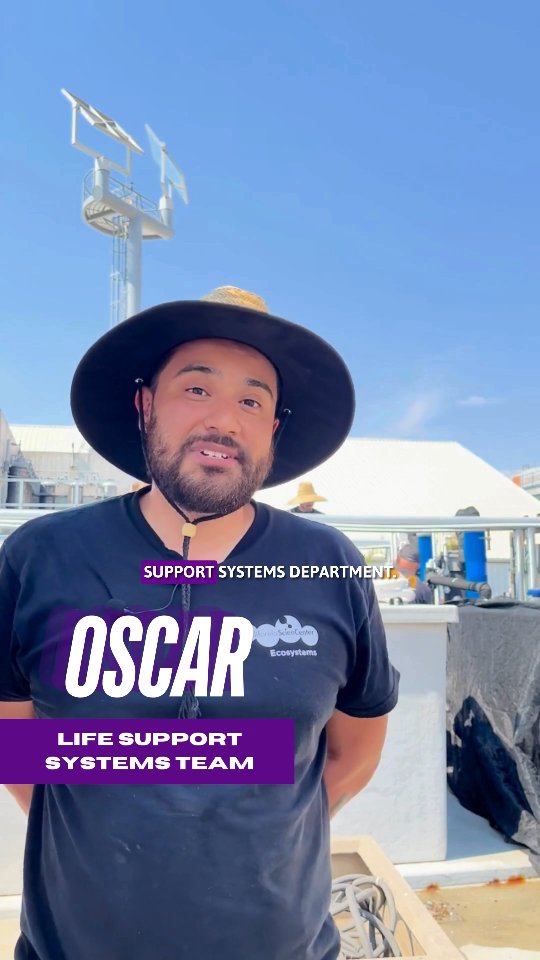
- Overview of Oscar’s role as a Life Support Systems Technician
- Importance of Life Support Systems in aquatic habitats
- Daily tasks and responsibilities of LSS Technicians
- Essential skills and qualifications for aspiring LSS Technicians
- Insights into aquarium maintenance and water quality management
Oscar, our dedicated Life Support Systems (LSS) Technician, plays a crucial role in maintaining the health and stability of aquatic habitats. Through his efforts, Oscar ensures that the systems created for supporting marine and freshwater life function effectively. The importance of LSS in zoos and aquariums cannot be overstated; it guarantees the well-being of numerous species while also contributing to conservation efforts.
Life Support Systems are a series of technologies utilized to monitor and control the environments in which aquatic animals reside. These systems include filtration, circulation, and water quality assessment, which are pivotal in managing the complex needs of various habitats. The vitality of these ecosystems depends heavily on the operational status of these systems. Oscar and his team are responsible for checks on equipment such as pumps, heaters, and ultraviolet (UV) sterilizers. Keeping these instruments in optimal shape is paramount to providing consistent conditions for animals in our care.
Daily tasks for an LSS Technician like Oscar range from routine maintenance to troubleshooting unexpected issues. Regular inspections allow Oscar to identify flaws in the system before they escalate into more significant problems. For example, if water flow is reduced due to a clogged filter, it can lead to elevated waste levels in the habitat, directly affecting the health of the aquatic life. By addressing such issues promptly, LSS Technicians help prevent potential crises.
Among the most critical daily responsibilities is monitoring water quality parameters—temperature, pH, dissolved oxygen, and ammonia levels. These aspects are vital for sustaining life in both freshwater and marine environments. For instance, a sudden change in pH can be detrimental to fish, leading to stress or even mortality. Oscar employs various tools such as electronic probes and titration kits to keep these metrics in optimal ranges, ensuring a stable and healthy ecosystem.
Aspiring LSS Technicians should seek a solid foundation in marine biology and aquatic sciences. Educational programs focusing on zoology or environmental science can provide the necessary background. Furthermore, practical experience through internships or volunteer opportunities in aquariums or zoos can enhance one’s understanding of aquatic systems. Knowledge of mechanical systems is also beneficial, as LSS Technicians frequently work with various types of machinery.
Awareness of the species residing in habitats works hand in hand with technical knowledge. Understanding the natural behaviors and requirements of these animals allows LSS Technicians to customize their work. For instance, certain species thrive in moving water, while others require still environments. This understanding fosters an environment conducive to the animals’ well-being, which is the ultimate goal of their conservation efforts.
Aquarium maintenance extends beyond the immediate care of animals; it includes a wider commitment to conservation. By ensuring the health of aquatic systems, LSS Technicians like Oscar aid in educational initiatives that promote awareness and respect for marine ecosystems. Their work supports breeding programs for endangered species, which are essential for preserving biodiversity.
Understanding the role of LSS Technicians empowers the public to recognize the complexity of animal care in zoos and aquariums. The behind-the-scenes work that Oscar and his colleagues perform goes unnoticed by many visitors. However, their contributions are fundamental to the operational success of these institutions and ultimately enrich the lives of the animals.
Every aquatic habitat is a living system influenced by numerous factors. LSS Technicians engage in continual learning to keep updated on the latest developments in aquarium technology and marine biology. This commitment to education is pivotal not only for their professional growth but also for the ongoing improvement of care protocols in aquatic environments.
Moreover, collaboration among team members enhances the effectiveness of Life Support Systems management. Regular team meetings facilitate discussions about system performance and ideas for optimization. This teamwork fosters a culture of shared knowledge, where everyone benefits from the insights and experiences of one another.
Water quality management is another vital aspect of the role of LSS Technicians. Testing and analyzing water samples are routine tasks. Sensitivity to fluctuations in water parameters can make a significant difference in animal health and comfort. Knowing how to respond to issues swiftly is integral to maintaining a thriving ecosystem.
Resources such as environmental monitoring software play increasingly important roles in the duties of LSS Technicians. These technologies can provide real-time data about water quality, which allows for quicker interventions. Predictive analytics may help prevent disasters before they happen, based on historical data.
In addition to technical proficiencies, soft skills are also essential for a successful career as an LSS Technician. Effective communication skills are necessary for collaborating with other teams and conveying vital information in emergencies. Problem-solving abilities enable technicians to devise innovative solutions under pressure.
Registration for certification courses is beneficial for furthering technical knowledge and skills. A variety of organizations offer specialized programs in aquarium management and aquatic life support technology. These certifications not only enhance employability but also signify a commitment to excellence in animal care.
Oscar’s journey illustrates the critical role of Life Support Systems in the day-to-day operations of zoos and aquariums. Individuals passionate about aquatic life and technology will find fulfilling careers in this field. The convergence of science, technology, and animal care presents numerous opportunities to impact wildlife conservation significantly.
As we continue our celebration of National Zookeeper Week, we aim to showcase the diversity of expertise within our Living Collections teams. Fellow LSS team member Maddy specializes in water quality and will be featured tomorrow, bringing another facet of Life Support Systems to light. Each team member, through their unique skills and knowledge, contributes to the overall success of our programs.
In summary, Oscar, as a Life Support Systems Technician, embodies the dedication required for effective aquatic habitat management. His efforts not only contribute to the well-being of the animals but also support conservation initiatives that are critical for the future of our planet’s biodiversity. The work done behind the scenes is invaluable, and through initiatives like National Zookeeper Week, we highlight and appreciate the hard work that every technician and keeper delivers daily.
*****
Source Description
We’re back with another National Zookeeper Week feature! 🎉
Meet Oscar, our super Life Support Systems (LSS) Technician! ⚙️ Learn about the behind the scenes work LSS does to ensure our water systems are operating smoothly for our aquatic habitats, as well as some helpful tips for aspiring LSS Technicians.
👀Check out our Stories today as our LSS Team takes over and brings you behind the scenes with them!
💜Come back tomorrow to meet fellow LSS team member Maddy who focuses on water quality! We’re taking you behind the scenes with each of our Living Collections teams to show all the hard work that goes into our excellent animal care.
@zoos_aquariums
