
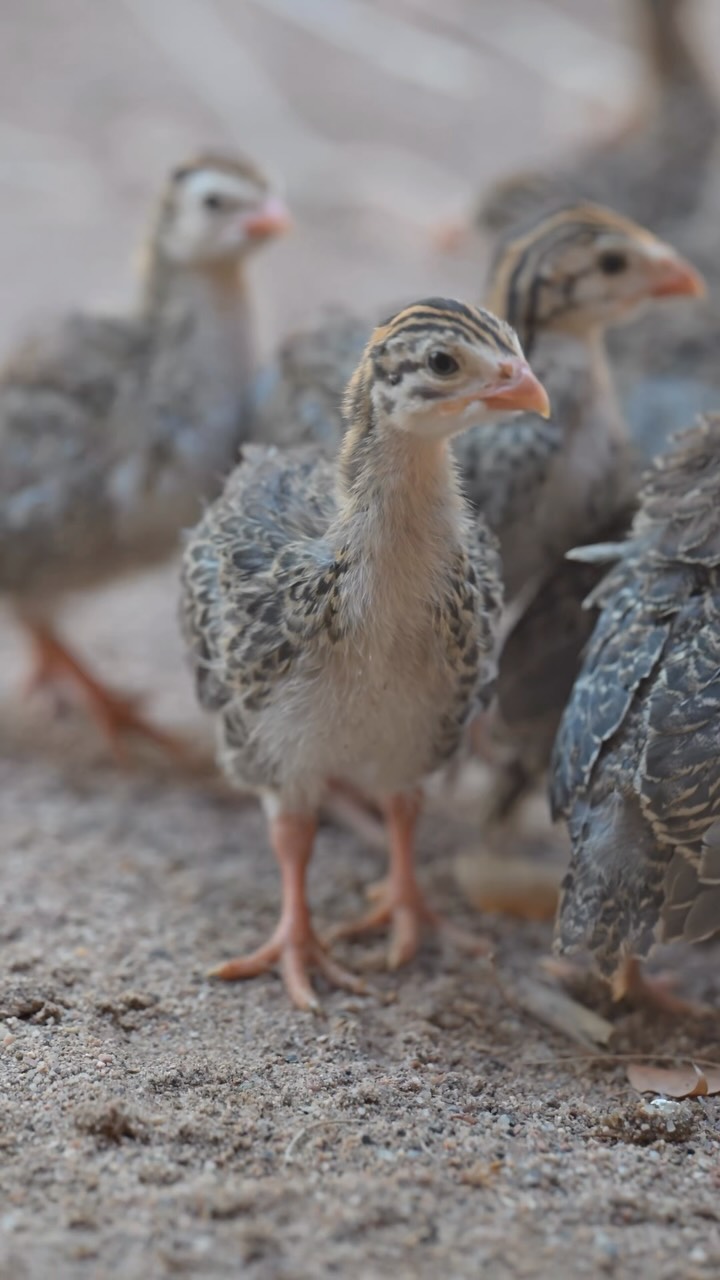
- Importance of incubating guinea fowl eggs for conservation efforts.
- Proper care and management of hand-reared guinea fowl chicks.
- The ecological role of guinea fowl in their native habitats.
- Behavioral characteristics and social structure of guinea fowl.
- Preparing hand-reared chicks for integration into a larger flock.
The process of incubating guinea fowl eggs is fundamental to wildlife conservation and poultry breeding. Incubation mimics the natural environment that allows the embryos to develop into healthy chicks. Providing an optimal incubating environment is vital. Temperature, humidity, and egg turning play crucial roles in the successful hatching of eggs. Guinea fowl eggs typically require a temperature of about 99°F to 100°F with humidity levels around 45% to 55% during incubation. This careful control maximizes the viability of the eggs and enhances the survival rate of the chicks once they hatch.
The importance of hand-rearing guinea fowl chicks cannot be overstated. Young chicks are particularly vulnerable and require a nurturing environment to thrive. In an Avian Propagation Center, staff are trained to provide quality care, beginning immediately after hatching. Newborn chicks need warmth, appropriate nutrition, and safe housing. Specialized brooder boxes that mimic the natural thermoregulation provided by a mother hen can facilitate optimal growth.
Hand-rearing allows for close monitoring of metabolic rates and growth patterns. Staff can identify any health issues early, helping to mitigate risks. It’s essential to provide a balanced diet consisting of starter pellets, grains, and fresh greens to support proper development. This dietary program ensures they grow strong and robust before being introduced to the broader flock.
Guinea fowl play an important ecological role in their native habitats. Known for their pest-control abilities, these birds eat insects and ticks, thus contributing to their ecosystems’ health. A healthy population of guinea fowl can reduce the need for chemical pesticides, making their presence beneficial for agricultural practices as well. Their grazing behaviors also promote the growth of native plant species, which can positively impact their surroundings.
Social structure within a flock of guinea fowl is fascinating. These birds are known for their complex social interactions that influence their collective behaviors. They have a hierarchical system that determines access to resources and mating rights. Understanding these dynamics is critical, especially when introducing hand-reared chicks to existing flocks.
The integration process involves gradual exposure. New chicks will initially be kept in a separate area to reduce stress. After they acclimate to their new environment and appear healthy, supervised introductions to the older flock are conducted. This ensures that social hierarchies are established without aggressive behavior from older birds, thus promoting a harmonious transition.
Behaviorally, guinea fowl exhibit intriguing characteristics. They are known for their alertness and vocal communication. Alarm calls are part of their natural instinct, designed to inform their peers of potential threats. Social interactions include preening and calling to one another, which reinforces bonds within the group.
These social behaviors are crucial during the rearing process. Carefully observing how hand-reared chicks interact with one another can offer insights into their health and emotional well-being. It is essential to facilitate social engagement among the chicks, ensuring that they become well-adjusted members of their species before joining the larger flock.
As guinea fowl chicks mature, it’s essential to foster their natural behaviors. Enrichment is critical in the early stages of development. Methods such as providing foraging opportunities and environmental obstacles help to encourage the natural behaviors that they would typically display in the wild.
Avian propagation centers strive to cultivate healthy populations of guinea fowl. Through compassionate and informed methods of care, these facilities can contribute significantly to conservation efforts. The process of hand-rearing these chicks allows not only for successful population management but also serves educational purposes by highlighting the natural behaviors and ecological significance of guinea fowl.
It’s vital to maintain an ongoing commitment to advancing knowledge around the breeding and care of these birds. Research into the genetic diversity of guinea fowl populations can shed light on their adaptability and resilience in changing environments. Maintaining genetic diversity is crucial for long-term survival, particularly as habitats shift due to climate change.
Learning about guinea fowl also presents opportunities to engage the public in conservation issues. Educational programs can help raise awareness about the ecological roles that these birds fulfill. By showcasing their importance through hands-on interactions, the wider community can develop a deeper respect for wildlife and the environment.
In summary, caring for hand-reared guinea fowl chicks involves a multifaceted approach that incorporates knowledge of animal behavior, nutrition, and social interactions. By focusing on effective incubating methods and proper management techniques, conservationists can help ensure the successful integration of these birds into their natural habitats. The journey of a guinea fowl from egg to adult not only illustrates individual development but also underscores the importance of preserving biodiversity for future generations. Promoting a deeper understanding of these aspects can strengthen community ties and foster a broader commitment to wildlife conservation.
*****
Source Description
Fresh out of the incubator 🥚
We have 8 hand-reared guinea fowl chicks growing strong behind the scenes in our Avian Propagation Center. Once they are big enough, they will join the rest of the flock on the Savanna!
