
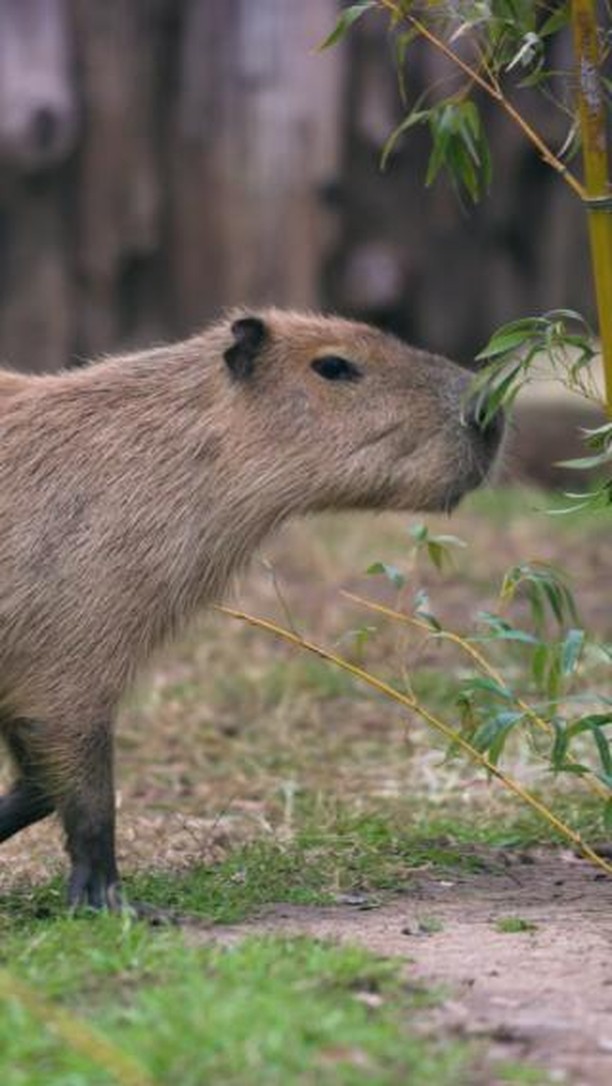
- Introduction to Velero, Atziri, and Piquiri, the capybara trio from the San Diego Zoo
- Overview of capybara characteristics and behavior
- Capybara habitat and social structure
- The significance of capybara conservation
- Visitor interaction and the role of zoos in wildlife education
The buzz around the San Diego Zoo has intensified with the arrival of a hot new trio: Velero, Atziri, and Piquiri, three capybara siblings. Velero is a 1.5-year-old male known for his sociable nature, while Atziri and Piquiri are 10-month-old sisters, each showcasing distinct personalities. Velero stands out with his larger physique and lighter coloring, while Atziri sports a shaved patch on her right shoulder and Piquiri on her left, a practical measure to help visitors identify them.
Capybaras, scientifically known as Hydrochoerus hydrochaeris, are the largest rodents in the world. They typically weigh between 77 and 146 pounds and possess a sturdy, barrel-shaped body covered in coarse fur. Their webbed feet adapt them for swimming, making water an essential part of their habitat. Capybaras are herbivorous, primarily feeding on grasses and aquatic plants, which they graze upon in their natural environments. Their unique digestive system allows them to efficiently extract nutrients, a fascinating feature given their size.
These animals are exceptionally social creatures, often found in groups that can range from 10 to over 20 individuals. Living in large family units provides numerous benefits, from increased protection against predators to enhanced grooming routines that help maintain their health. In the wild, capybaras primarily inhabit regions near waterways, such as rivers, ponds, and marshes across South America. Their adaptation to an aquatic lifestyle is critical, as they can remain submerged for up to five minutes to evade threats.
The social dynamics within capybara groups are complex. They communicate through a wide array of vocalizations, including barks, whistles, and clicks. This vocal communication serves to maintain group cohesion and alert others to potential dangers. Velero’s bubbly personality can be expected to foster interaction among the siblings, introducing an element of playful socialization. Atziri’s boldness complements this dynamic, while Piquiri’s shy yet intelligent disposition adds a layer of intrigue.
As capybaras continue to thrive in their native habitats, various threats challenge their populations. Habitat loss due to agricultural expansion, urbanization, and climate change poses significant risks. Additionally, illegal hunting and poaching contribute to their decline in certain areas. Conserving capybara populations is critical, not just for their survival but also for maintaining the delicate balance of their ecosystems, as these animals play a role in seed dispersal and vegetation management.
Zoos like the San Diego Zoo play a pivotal role in wildlife conservation and education. They serve as sanctuaries for endangered species while offering insight into the complexities of animal behavior and natural habitats. The addition of Velero, Atziri, and Piquiri to the zoo not only enhances its collection but also provides an opportunity for educational outreach. Visitors can engage with these capybaras, learning about their habitat requirements, nutritional needs, and social behavior.
Educational programs focused on wildlife conservation can inspire action among zoo visitors. By interacting with animals like the capybara siblings, people are motivated to take steps towards preserving natural environments. These programs often highlight the importance of sustainable practices that benefit both local ecosystems and global biodiversity.
The presence of Velero, Atziri, and Piquiri also emphasizes the importance of genetic diversity within captive populations. Maintaining a genetically diverse group ensures that breeding programs can contribute positively to both captive and wild populations. Zoos collaborate with conservation organizations to develop and implement breeding and reintroduction strategies that bolster capybara populations in their native ecosystems.
Their adventurous personalities provide fantastic visual engagement for guests. Velero, with his penchant for swimming and snacking, can often be seen doing both. His love of water is typical among capybaras, who enjoy lounging and playing in pools. Visitors may be drawn to his playful interactions, making education an enjoyable experience. Atziri’s bold demeanor allows her to explore her surroundings fiercely, while Piquiri, though shy, often surprises guests with her intelligence and quick adaptability.
The shaved patches on Atziri and Piquiri not only assist in identification but also showcase the care involved in animal management at zoos. Such practices ensure that animals can be closely monitored for health and well-being. Veterinary staff at the San Diego Zoo meticulously oversee the health of these capybaras, providing regular check-ups and monitoring behavior.
Social learning among capybaras is another fascinating topic deserving attention. Young capybaras learn vital skills by observing older individuals. Techniques for foraging and swimming behaviors are passed down, ensuring their survival skills are honed. This learning practice illustrates the depth of social interactions within capybara communities.
The educational aspect of visiting the San Diego Zoo extends beyond just observing animals. Various exhibits often portray the ecosystems where these capybaras thrive, offering context to their roles within their environment. Through carefully designed exhibits, visitors gain insights into the interdependence that exists within ecosystems, where every species plays a crucial role.
Sustainability education is also a focal point within the zoo’s outreach. Programs encourage both children and adults to consider their ecological footprint and make conscious decisions that positively impact wildlife habitats. This may involve promoting responsible pet ownership, reducing water usage, or advocating for conservation efforts. Engaging the community in discussions about wildlife conservation not only fosters awareness but also cultivates a sense of responsibility towards nature.
Interactions with Velero, Atziri, and Piquiri can elicit conversations about the broader implications of wildlife conservation efforts. Understanding the complexities of animal needs, social behaviors, and environmental factors can inspire guests to advocate for capybara conservation. Each visit to the zoo becomes an opportunity to champion awareness and action for preserving capybara habitats.
In summation, the arrival of Velero, Atziri, and Piquiri at the San Diego Zoo represents more than just the introduction of three adorable capybaras. It symbolizes a commitment to education, conservation, and the promotion of strategic efforts to protect wildlife. Each of these charming siblings brings their quirks and personalities, enriching the overall experience for visitors.
The interplay of education, entertainment, and conservation at zoos creates an enriched environment that not only focuses on animal care but also promotes wildlife stewardship. Velero, Atziri, and Piquiri serve as ambassadors for their species, illustrating the importance of understanding and preserving biodiversity for future generations. Visitors are encouraged to connect with these capybaras, and through these connections, foster a spirit of responsibility towards the interconnected web of life that supports capybaras and countless other species.
*****
Source Description
A hot new trio has entered the villa! 🚨
Say hello to Velero, Atziri, and Piquiri – capybara siblings who join us from the @sandiegozoo! Velero, our 1.5-year-old male, is the social butterfly who loves snacks and making a splash in the water. Atziri and Piquiri, the 10-month-old sisters, have their own quirks – Piquiri’s shy but super clever, while Atziri is bold and ready for action.
You can spot Atziri by the shaved patch on her right shoulder and Piquiri by the one on her left – they were trimmed to help us tell them apart. Velero stands out as the largest and lightest in color! Come say hi to them at ZooNorth!
