
- Understanding Donut Mode in Island Foxes: Definition and Purpose
- Biological Adaptations Supporting Donut Mode
- Conservation Efforts Protecting Island Fox Populations
- The Role of Zoology and Wildlife Management in Island Fox Habitats
- Observing and Studying Island Fox Behavior in Captivity and the Wild
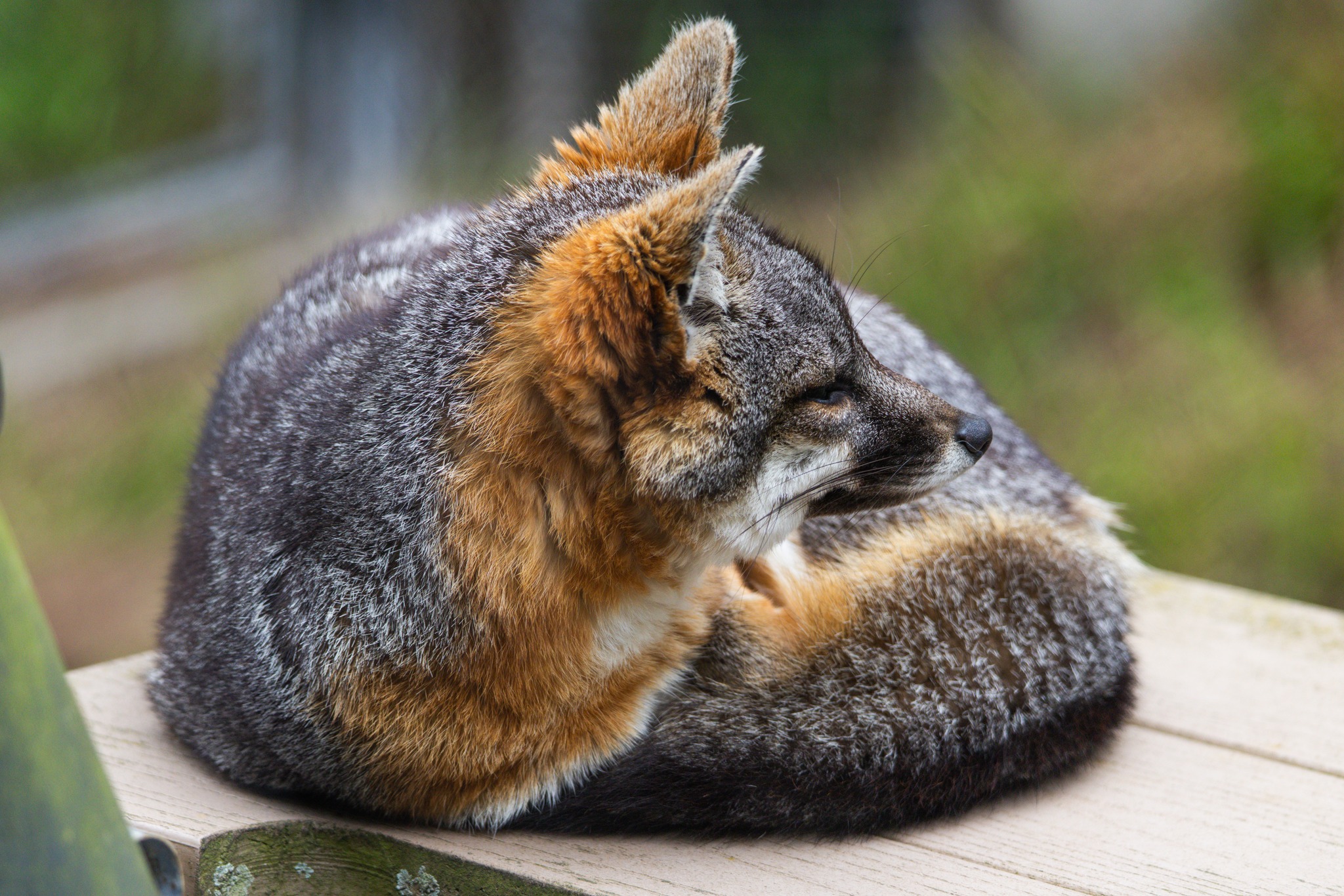
Island foxes, native to the Channel Islands off the coast of California, are remarkable creatures best known for their distinct behavior known as Donut mode: ACTIVATED! This cozy maneuver involves the fox wrapping its tail around its snout, providing warmth and comfort in cooler temperatures. This article delves into this fascinating behavior, explores the biological adaptations that enable it, highlights ongoing conservation efforts, and examines the role of zoology and wildlife management in protecting these iconic animals.
Understanding Donut Mode in Island Foxes: Definition and Purpose
Donut mode is a behavior observed in island foxes that combines instinctual survival tactics with physiological adaptations. This behavior sees the fox curling up tightly, using its fluffy tail as a makeshift scarf to cover its pointy snout. This action provides thermal insulation, helping to conserve body heat. This is especially crucial given the varying microclimates of the Channel Islands, where temperatures can drop significantly at night.
The tail’s placement is both a warmth mechanism and a protective shield against harsh winds and environmental stressors. Beyond mere survival, this behavior is a powerful example of how island foxes interact with their environment and adapt to its challenges. Their ability to instinctively enter Donut mode highlights a sophisticated understanding of their needs and environment.
Biological Adaptations Supporting Donut Mode
The island fox’s physiology is finely tuned for its insular environment. Their dense fur, short limbs, and compact bodies aid in heat retention. The tail’s fluffiness not only serves an aesthetic purpose but also enhances its insulating properties. The hairs on the tail trap air in such a way that they create a thermal barrier, a principle similar to how down feathers function in birds.
Additionally, the island fox’s metabolism plays a crucial role in this behavior. With limited resources available on the islands, these foxes have developed efficient metabolic systems that enable them to conserve energy. The ability to enter Donut mode is a reflection of this metabolic efficiency, allowing them to minimize heat loss without expending substantial energy.
Conservation Efforts Protecting Island Fox Populations
Island foxes were once considered endangered due to various threats such as disease, predation by non-native species, and habitat destruction. Conservationists have implemented a multi-faceted approach to protect these animals, ensuring their survival for future generations.
Programs include the removal of invasive species such as the golden eagle, which preys on foxes, and the reintroduction of native predators like the bald eagle, which helps control invasive populations. Vaccination programs against diseases like canine distemper have also been critical. Meanwhile, habitat restoration projects aim to restore the natural balance of the islands, ensuring that foxes have ample resources.
The collaboration among local governments, conservation organizations, and researchers has turned the tide for island foxes. This unity demonstrates the importance of coordinated efforts in wildlife conservation and showcases a successful model for other endangered species.
The Role of Zoology and Wildlife Management in Island Fox Habitats
Efficient wildlife management is vital to maintaining healthy island fox populations. Zoologists and wildlife managers monitor fox populations through field studies and tracking systems. This monitoring helps identify population trends, health status, and social structures within fox communities.
By understanding these dynamics, researchers can devise more targeted conservation strategies. For example, if a population drop is detected, managers can quickly investigate potential causes, such as food scarcity or disease outbreaks, and address them promptly.
In captivity, zoos play a key role in educating the public about island foxes. Exhibits help raise awareness about the species’ ecological importance and conservation needs. Preserving genetic diversity in captive populations also acts as a safeguard against potential extinction in the wild.
Observing and Studying Island Fox Behavior in Captivity and the Wild
The study of behavior in both wild and captive island foxes provides valuable insights into their needs and challenges. Observations reveal the social structures and hierarchies within fox communities and inform strategies for their conservation. Understanding behaviors like Donut mode and other adaptive traits can shed light on how these animals cope with environmental variations.
In captivity, researchers can closely monitor health indicators and behavior, leading to a deeper understanding of fox ecology. This close examination enables specialists to fine-tune diet plans and enrich habitats to mirror the natural conditions these animals would encounter on the islands. Captive studies also facilitate scientific experiments and research that might not be feasible in the wild due to ethical or logistical constraints.
Through a combination of wild observation and captive studies, scientists can develop a comprehensive understanding of island fox behavior. This knowledge not only aids in their conservation but enriches our comprehension of adaptation and survival strategies in isolated ecosystems.
In conclusion, the Donut mode of island foxes exemplifies the intricate relationship between organism and environment. The biological adaptations that enable this behavior, combined with concerted conservation efforts, underscore the resilience and importance of these unique animals. By continuing to study and protect island foxes, we not only preserve a species but also foster a broader appreciation for the intricacies of nature.
*****
Source Description
Donut mode: 𝘈𝘊𝘛𝘐𝘝𝘈𝘛𝘌𝘋! 🦊🍩
Island foxes have fluffy tails that they can wrap around their pointy snouts like a built-in scarf to stay cozy in chilly weather.
Alt-text: Lewis the island fox rests on a platform in his hillside habitat. In the first picture, he lazily lifts his head and looks forward. In the second, he curls into a fluffy ball and drifts into a peaceful sleep.
