
- The importance of stopping to appreciate nature in May
- Characteristics and habitat of Eastern box turtles
- Life cycle and behaviors of Eastern box turtles
- Conservation challenges facing Eastern box turtles
- Ways to support wildlife and local ecosystems
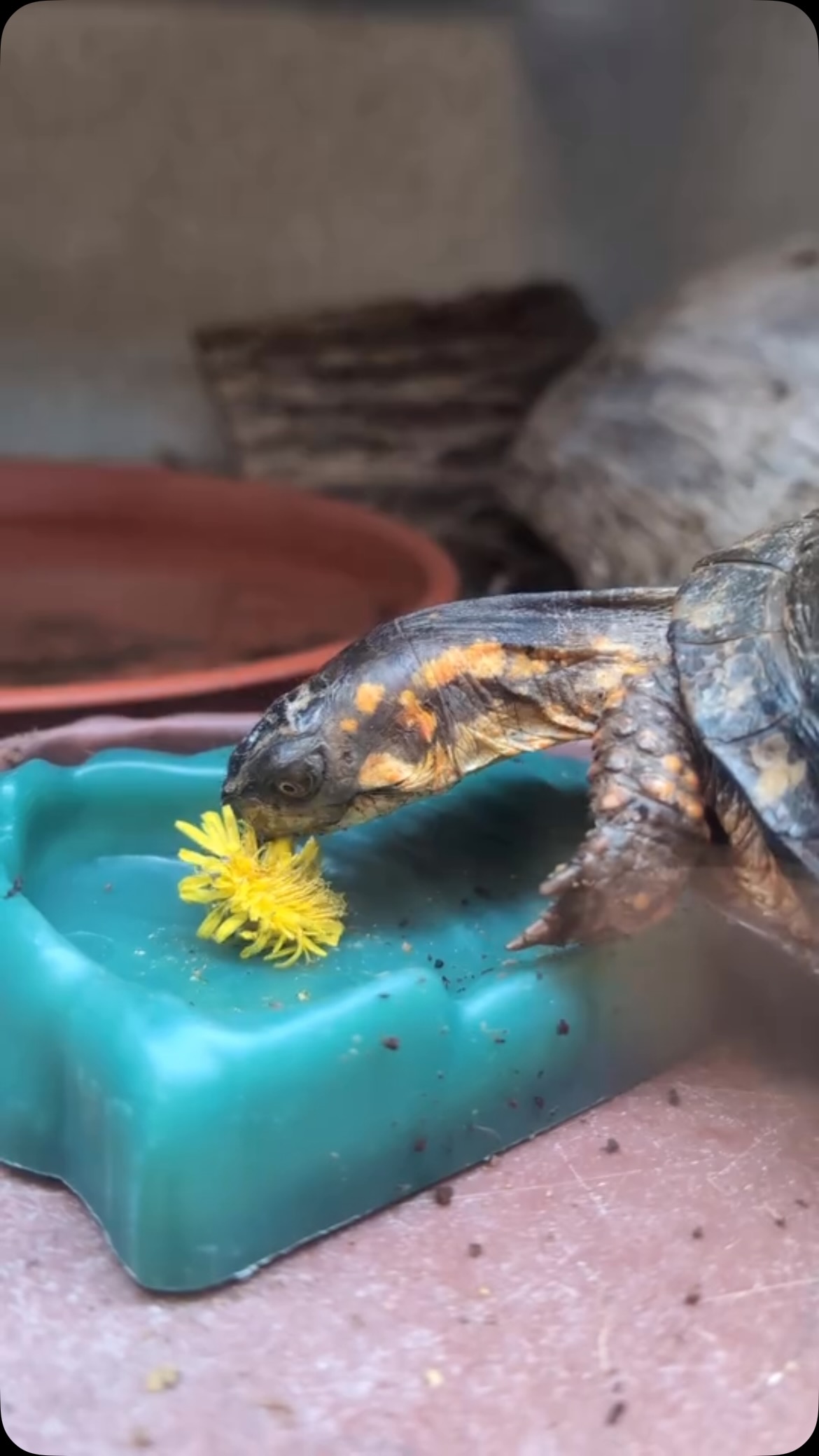
May is a time of vibrant color and life, coaxing many to step outside and appreciate their surroundings. As the flowers bloom and the weather warms, there is no better time to connect with nature. Eastern box turtles, symbolized by Treehouse, are a species that embodies this connection. Their name derives from their hinged plastron, which allows them to close their shell almost entirely when threatened. This fascinating characteristic is just one element of their rich biology and ecology.
The Eastern box turtle (Terrapene carolina) is often found in wooded areas, grasslands, and near wetlands throughout the eastern United States. These habitats provide crucial resources for their survival, including food, shelter, and breeding sites. Eastern box turtles thrive in well-drained areas with ample moisture, often found roaming beneath the forest’s canopy or basking in the sun. Their presence serves as an indicator of ecosystem health, making it essential to protect their native environments.
Understanding the life cycle of Eastern box turtles reveals much about their behavior and adaptations. These turtles exhibit a slow growth rate, with some individuals living for over 50 years. Females typically reach sexual maturity around 10 to 20 years of age, while males may mature slightly earlier. During breeding season, which occurs primarily from late spring to early summer, males engage in various courtship displays. Mating often takes place in water, although females will lay eggs on land. The eggs require warm, moist soil for proper incubation, and the young turtles emerge after approximately 70 to 90 days, relying on their innate instincts to find shelter and food.
Eastern box turtles are omnivores, consuming a varied diet that includes fruits, mushrooms, insects, and even small animals. Their foraging behavior is crucial for nutrient recycling in their ecosystems; as they consume plants and detritus, they contribute to the health of the soil and plant communities. Additionally, their ability to close their shells protects them not only from predators but also from extreme environmental conditions. This unique behavior serves as a survival mechanism, showcasing their adaptation to their habitats.
Despite the resilience of Eastern box turtles, they face numerous conservation challenges. Habitat loss poses a significant threat as urban development encroaches on their natural environments. Fragmentation of habitats prevents safe migration and mating, leading to decreased genetic diversity. Moreover, road mortality is a considerable threat; many turtles are killed when they attempt to cross roads. The collection of box turtles for the pet trade also adds pressure to their populations, depleting already vulnerable groups.
To better support Eastern box turtles and their habitats, there are several actions individuals can take. Establishing native gardens can help create critical habitats for many species, including turtles. By planting local flora, humans can promote biodiversity and capture animals’ attention, essentially creating sanctuaries for wildlife. Creating awareness about the dangers of road mortality is imperative. Projects aimed at building wildlife crossings contribute to safer passages for turtles and other creatures.
Education plays a vital role in both community engagement and conservation efforts. By hosting workshops and outreach programs, communities can involve citizens of all ages in preserving local ecosystems. Schools can incorporate lessons on local wildlife, emphasizing the importance of species like the Eastern box turtle. Such initiatives instill a deep respect for nature among younger generations, fostering a commitment to stewardship.
Engaging with nature encourages a sense of well-being. Spending time outdoors, whether in a park or your backyard, heightens awareness of seasonal changes and the intricate webs of life surrounding us. It is an invitation to embrace our environment and take responsibility for its care. When individuals appreciate the beauty of nature, they are more likely to engage in conservation efforts, promoting biodiversity and health in local ecosystems.
As May unfolds, take the time to stop and smell the flowers. Investigate local flora and fauna, and marvel at the life forms surrounding you. Recognizing Eastern box turtles and their habitat can lead to greater appreciation for nature’s interconnectedness. The spark of interest in wildlife encourages active participation in conservation efforts that protect these remarkable creatures and their habitats.
Eastern box turtles are an integral part of their ecosystems. Their life cycle and foraging habits contribute to maintaining ecological balance. By understanding their characteristics and behaviors, individuals can play an active role in their conservation. This awareness not only benefits turtles but also enriches local biodiversity, ensuring that future generations can cherish the beauty and vitality of nature.
Engaging in community efforts to protect Eastern box turtles amplifies the message of conservation. Communities can form groups dedicated to monitoring turtle populations and advocating for habitat protections. Regular clean-up events and maintenance of local parks help preserve these natural spaces, making them suitable for wildlife. Wildlife corridors and crossings should be promoted as a means to reduce road-related deaths.
Advocacy doesn’t stop at local levels. Extending efforts to state and federal grassroots campaigns can help secure legal protection for Eastern box turtles. Educating lawmakers about the importance of safeguarding turtle habitats ensures that their future is a priority in conservation agendas. Policies can be developed to prohibit collection from the wild and enforce stricter penalties for illegal poaching.
As we move through May, remember that every small action counts. Taking the time to appreciate the flourishing life forms around us can lead to impactful change. Eastern box turtles and the natural world provide an opportunity to foster a deeper relationship with our environment. Understanding their place in the ecosystem is essential in cultivating a sustainable future.
The beauty of May, with its blooming flowers, serves as a reminder of nature’s resilience. Every Eastern box turtle represents this resilience and the intricate connections of life. Let us strive to honor these connections through active engagement and responsible stewardship. Embracing education about Eastern box turtles and their conservation is vital for protecting not only this species but also the diverse ecosystems they inhabit.
Encouragement to appreciate the little things in nature will build a strong foundation for a movement toward environmental consciousness and responsibility. Each encounter with an Eastern box turtle represents an opportunity to advocate for wildlife conservation and environmental health. May you stop, look, and breathe in the wonder of nature this month—it’s time to appreciate the world around us and take action where we can.
*****
Source Description
It’s May, so stop and smell the flowers! Here, Treehouse’ll show you 🧡
Eastern box turtles (like Treehouse) get their name from their hinged plastron, or the underside of the shell, which allows them to almost completely close their shell when threatened.
📹: Animal Care Shayna
