
- Understanding the critical role of zoology in wildlife conservation
- Insights into zoo management and its impact on animal welfare
- The importance of wildlife education programs for public awareness and engagement
- Exploring the relationship between conservation efforts and biodiversity
- The significance of technology in modern wildlife research and conservation
Zoology plays a pivotal role in the intricate web of wildlife conservation. By studying animals and their ecosystems, zoologists contribute vital knowledge that supports preservation efforts. These experts focus on understanding animal behavior, physiology, and genetics to develop strategies that protect species and their habitats. Education in zoology not only fosters a deeper understanding of lifeforms but also equips future conservationists with the tools needed to address environmental challenges.
Zoo management represents a critical intersection of education, conservation, and animal welfare. Modern zoos are no longer mere exhibits; they serve as sanctuaries for endangered species. Through meticulous breeding programs and conservation initiatives, zoos help maintain genetic diversity and reintroduce species into the wild. Effective management involves creating environments that mimic natural habitats, ensuring physical and psychological health. This requires a balance of scientific research, compassionate care, and ethical considerations to prioritize animal well-being.
Wildlife education programs are essential in raising public awareness and fostering a connection with nature. These programs provide individuals with hands-on experiences and knowledge about animal behaviors and conservation issues. By engaging with the community, they inspire personal responsibility and activism for environmental causes. Education initiatives also play a vital role in dismantling myths and misconceptions about wildlife, promoting coexistence between humans and animals.
Conservation efforts and biodiversity are deeply intertwined. Protecting diverse ecosystems ensures the survival of countless species, including humanity. Conservationists strive to address threats like habitat destruction, climate change, and poaching. Initiatives such as protected areas, sustainable practices, and community-led conservation help preserve ecosystems. The focus on biodiversity safeguards the intricate balance of life, supporting resilience against environmental disruptions.
The use of technology in wildlife research and conservation is transformative. Technological advancements like GPS tracking, drones, and genetic analysis provide researchers with sophisticated tools to monitor populations and habitats. These technologies enable efficient data collection and analysis, optimizing conservation strategies. The integration of technology enhances our capacity to understand complex ecological interactions and the impacts of human activity on wildlife.
To experience this enriching field firsthand, one can explore opportunities like the “Go WILD about learning” programs. These initiatives allow participants to dive into the richness of zoology and conservation, gaining a profound appreciation for animal life and the environment. Through expert-led experiences, participants can engage with the fascinating world of animals and contribute to meaningful conservation efforts. Visit the organization’s website for more information on joining these educational programs and become a part of a committed team working towards a sustainable future for wildlife.
*****
Source Description
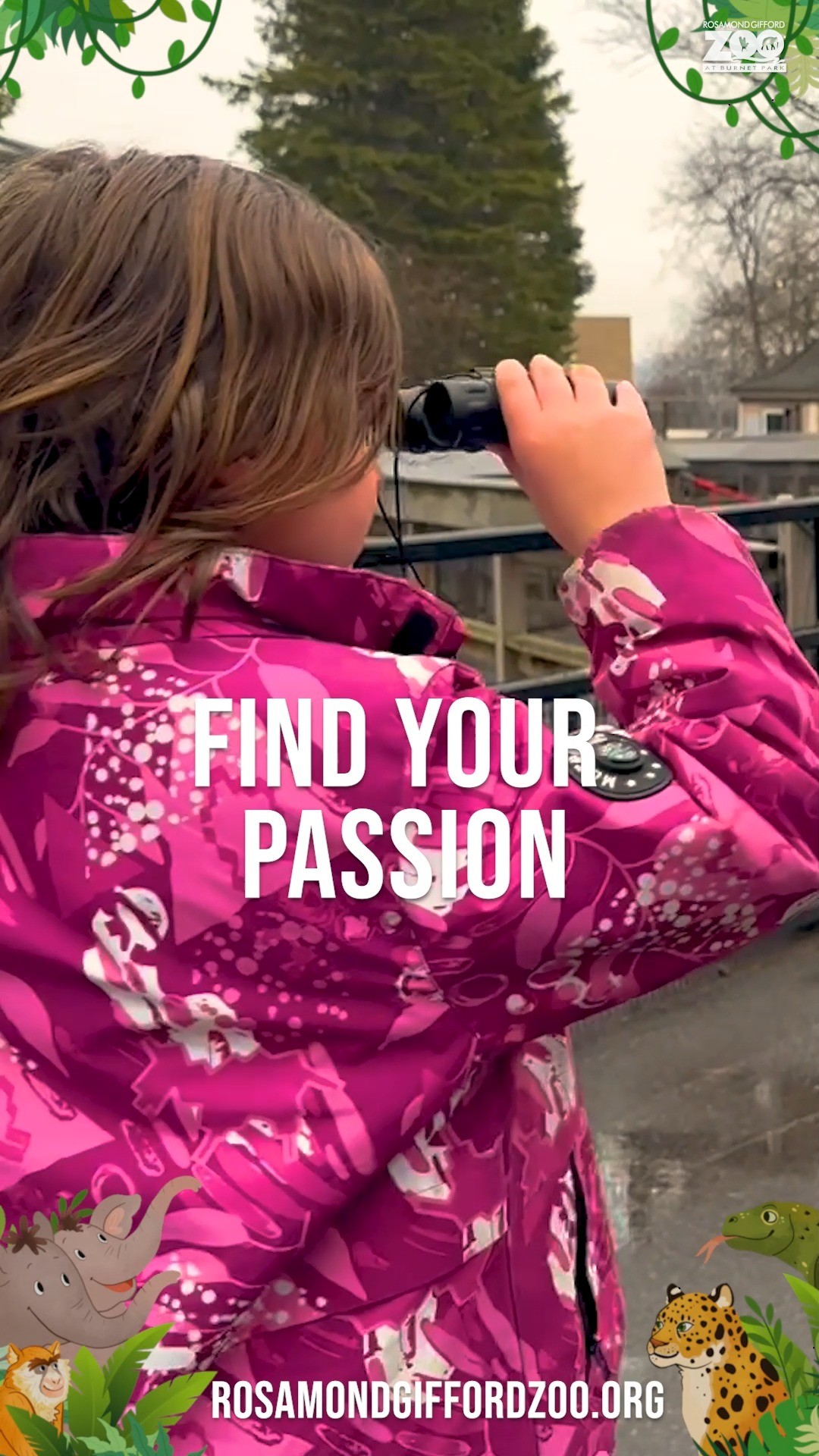
Go WILD about learning! Visit our website to register and join our exceptional education team for a deep dive into the world of animals at any of our exciting upcoming programs.
