
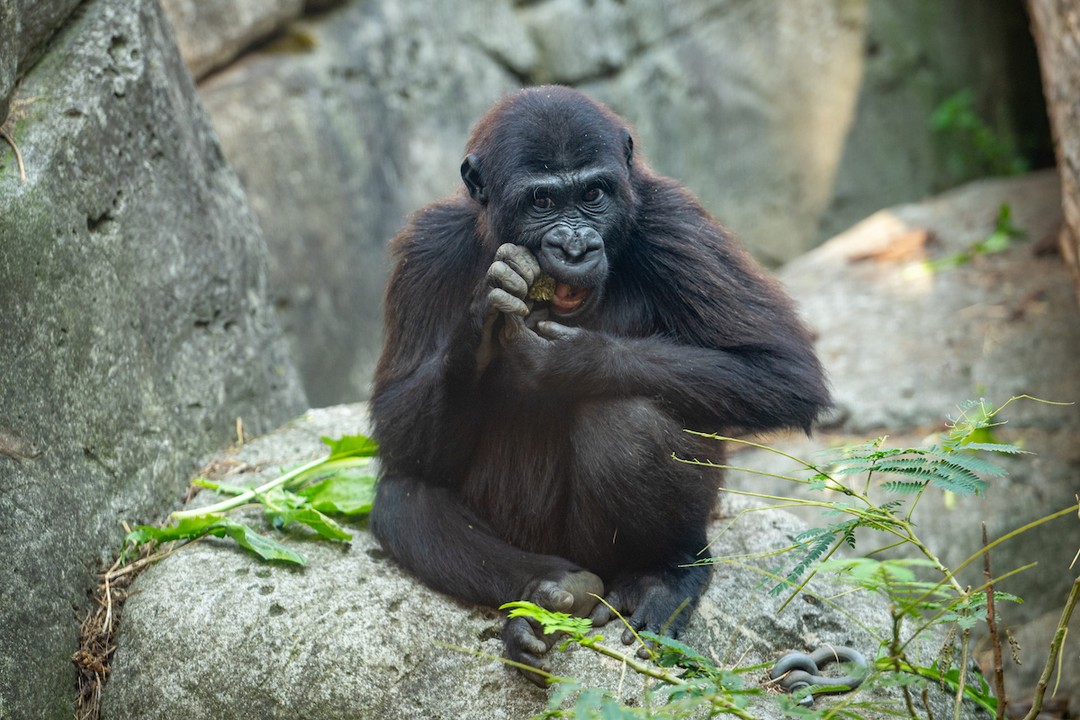
- The importance of gorillas in biodiversity and ecosystem balance.
- The impact of coltan mining on gorilla habitats in Africa.
- How recycling old electronic devices contributes to conservation efforts.
- The ease of participation in the “Gorillas on the Line” challenge.
- The broader implications of community involvement in wildlife conservation.
The conservation of gorillas plays a critical role in maintaining biodiversity and ecological balance in their native habitats. These remarkable primates, which comprise several species including the Western Gorilla and Eastern Gorilla, serve as key indicators of the health of the ecosystems they inhabit. Gorillas contribute to forest ecology through their feeding habits, which help in the dispersal of seeds and maintain plant diversity. The decline in gorilla populations can lead to significant changes within these ecosystems, affecting numerous other species and the overall health of the environment.
One of the primary threats to gorillas is habitat loss, with coltan mining identified as a significant driver of this decline. Coltan, a mineral used in electronic devices, is primarily mined in the Democratic Republic of Congo, a region where gorilla populations struggle to survive amidst deforestation and other environmental threats. The expansion of mining activities leads to the destruction of forests, vital for gorillas and many other species. Additionally, habitat fragmentation caused by mining can isolate gorilla populations, making it harder for them to find mates and food, thus hindering their chances for survival.
Participating in initiatives like “Gorillas on the Line” can directly contribute to reducing the demand for coltan. This challenge encourages individuals and organizations to recycle old cell phones, tablets, chargers, and other small electronic devices. When these devices are recycled, the coltan contained within can be recovered, reducing the need for new mining operations. Recycling not only helps protect gorilla habitats but also lowers the overall environmental impact associated with the extraction and processing of new materials.
The “Gorillas on the Line” challenge runs from February 1 to September 1, making this an excellent opportunity for schools, workplaces, and community groups to engage in wildlife conservation efforts. Getting involved is straightforward. Participants can gather old electronics and coordinate their collection with local recycling centers or organizations that specialize in electronic waste. This collective effort has the potential to yield significant influences on both local and global levels.
Furthermore, community involvement in initiatives like this extends beyond just recycling old devices. It fosters awareness and education about the importance of conservation efforts for gorillas and other endangered species. As people come together, they can share knowledge and raise further awareness about challenges faced by wildlife and the crucial role of individual actions in addressing these issues. Engaging in these activities can inspire discussions about environmental responsibility and the importance of preserving wildlife for future generations.
The implications of grassroots involvement in conservation extend well beyond the immediate act of recycling. Such initiatives help cultivate a culture of environmental stewardship, emphasizing that every action counts. The “Gorillas on the Line” initiative provides a tangible way for individuals to contribute to a larger conservation movement, creating a strong sense of collective responsibility. By participating, individuals not only help protect gorillas but also connect with a global community dedicated to wildlife conservation.
In summary, protecting gorillas requires understanding their role in ecosystems and addressing the threats they face, particularly from coltan mining. Engaging with initiatives like the “Gorillas on the Line” challenge can empower individuals to make a meaningful impact through recycling old electronic devices. By working together, communities can drive change, promote awareness, and take significant steps in the protection of gorilla habitats in Africa.
*****
Source Description
Answer the call to save gorillas in the wild! From February 1 to September 1, you can join the Gorillas on the Line challenge by donating old cell phones, tablets, chargers, and other small devices to help protect gorilla habitats in Africa. Recycling these items helps reduce the demand for coltan — a major driver of gorilla habitat loss in the Democratic Republic of Congo.
Whether you’re a school, workplace, or community group, participating is easy. Learn more & register at the link in bio!
