
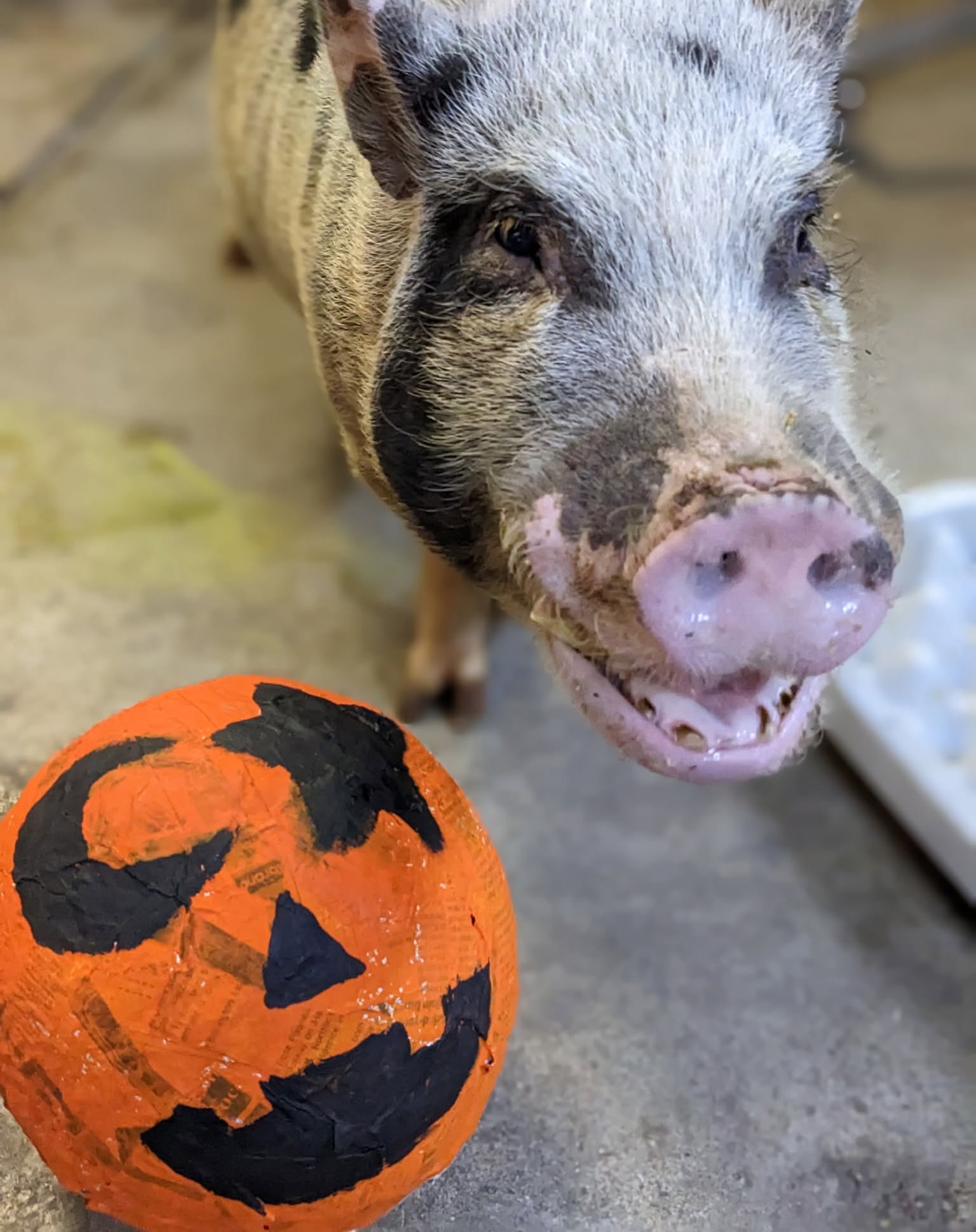
- The significance of Boo at the Zoo events for community engagement and education
- Insights into zoo animal welfare and management
- The role of farmyards in wildlife education
- The importance of conservation efforts in modern zoos
- Fun activities and educational opportunities for families at Boo at the Zoo
The Boo at the Zoo event offers a vital platform for community interaction and education. It signals an opportunity for families and individuals to connect with wildlife in a festive atmosphere. During this event, attendees engage with various animals, helping to dispel myths and foster a deeper understanding of animal behavior and habitats. This kind of engagement is crucial because it promotes empathy for animals and creates lasting memories that encourage ongoing support for wildlife conservation.
Understanding animal welfare in a zoo setting is fundamental. Modern zoos are responsible for the care and management of a diverse array of species, from exotic creatures to local fauna. Their mission extends beyond mere entertainment; they play a critical role in conservation and education. Skilled professionals assess animal needs, forming environments that promote natural behaviors. This includes providing adequate space, social structures, and enrichment activities that stimulate mental and physical health. As visitors explore Boo at the Zoo, they will witness demonstrations of these practices firsthand, showcasing how zookeepers interact with animals in ways that prioritize their well-being.
The re-opening of the farmyard specifically for Boo at the Zoo represents an effort to reconnect children and adults with familiar farm animals. Educational farmyards serve to remind us of agricultural biodiversity and the roles that domesticated animals play within ecosystems. Farm animals, such as goats, chickens, and pigs, are essential agents in understanding food sources and natural behaviors. This hands-on engagement allows families to appreciate the interplay between wildlife conservation and agriculture. Visitors can learn about the importance of sustainable farming practices and their impact on animal welfare and habitat preservation.
Conservation efforts are at the core of every modern zoo’s mission. Many species are faced with challenges like habitat destruction, climate change, and poaching. Zoos actively participate in breeding programs aimed at species reintroduction into their natural habitats. These efforts underscore the fact that zoos are not just places for observation but are integral to the global endeavor of wildlife conservation. When families attend Boo at the Zoo, they are also indirectly supporting these essential initiatives, as a portion of the event’s proceeds often goes directly to conservation projects. The emphasis on educating visitors about endangered species and ecosystems further highlights the vital role zoos play.
Finally, the range of activities available at Boo at the Zoo makes it an enriching experience for families. From interactive exhibits, animal encounters, and educational presentations, new insights await every attendee. Kids can engage in art activities, learn through hands-on experiences with animal care professionals, or observe training sessions. Each of these components serves to deepen visitors’ understanding of wildlife and the ecosystems they inhabit. Moreover, this event instills a sense of responsibility in the next generation regarding environmental stewardship.
Participation in Boo at the Zoo is a unique opportunity to foster a deeper appreciation for wildlife while gaining insight into conservation efforts. Each element of this event is carefully planned to create a memorable experience. The collaborative effort between the zoo’s staff and the community ensures that the day’s activities are engaging and educational. Visitors leave with not only fond memories but also a better understanding of their role in environmental preservation.
Zoos have evolved from traditional menageries to dynamic environments focused on conservation and education. At Boo at the Zoo, guests will witness how these principles are applied in real time. Each display of animal behavior reflects years of research and thoughtful management, which is critical for the amplified awareness of wildlife issues. Understanding that animals are not merely entertainers alters visitors’ perceptions, helping them realize the complexity of animal life and the necessity of conservation practices.
During events such as Boo at the Zoo, attendees often receive education on specific animal species. For instance, they may hear about the habitats of different species and how those habitats are threatened. This hands-on interaction can be enlightening. It presents a chance to ask professionals questions, observe animal feeding sessions, and witness behavioral enrichment initiatives right in front of them. Knowledge imparted in such an engaging setting is more likely to stick with children and adults alike. As they touch and interact with animals, they gain a visceral understanding of their beauty and fragility.
Education does not stop at animal displays and presentations. Boo at the Zoo also serves as a platform for discussing broader environmental issues like climate change and habitat loss. Visitors may encounter booths or presentations related to conservation initiatives or sustainable living. Engaging in conversations about responsible consumerism, such as choosing products that are friendly to wildlife, empowers participants to make informed decisions that positively impact the planet.
The atmosphere at Boo at the Zoo is especially lively and festive, making it an ideal day out for families. Seasonal decorations, themed activities, and costumed staff create a unique experience that celebrates both Halloween and wildlife. Children enjoy the colorful environment, often resulting in enthusiastic discussions about the animals, paired with the fun of the holiday.
Moreover, the opening of the farmyard on this special occasion enriches the experience by providing an accessible and familiar way for visitors to learn about animal care and husbandry practices. The significance of farm animals in food systems can instill an understanding of where food comes from and the ethical dimensions related to livestock treatment. Engaging with farmyard animals often fosters positive feelings toward all forms of wildlife, building bridges between domestic and wild animals.
Additionally, Boo at the Zoo provides an opportunity to highlight species that are often underrated or lesser-known. Many attendees may come with a focus on popular animals like lions and elephants, but the event allows for the introduction of more obscure species. Laypeople often do not realize the variety of animals that exist beyond the spotlight. Educating visitors about these often-overlooked species broadens their understanding of biodiversity and its importance.
In the context of conservation, the presence of educational materials during the event can encourage guests to reflect on their environmental footprint. Simple actions—like reducing plastic consumption or supporting local wildlife organizations—are discussed as ways to aid conservation efforts. The goal is not just to inform but also to empower attendees to be proactive in wildlife protection.
Boo at the Zoo is indicative of a growing awareness regarding the symbiotic relationship between humans and wildlife. Every ticket sold contributes to ongoing conservation efforts, research programs, and educational outreach. It is an excellent example of how community participation can lead to meaningful change. Visitors are left with the understanding that their experiences and choices matter, and they can contribute to wildlife preservation in practical and impactful ways.
Participation in this event encourages ongoing conversations about wildlife and conservation long after families leave. The memories created can transform perceptions and lead to advocacy pathways for environmental issues. Children inspired by their experiences may develop a lifelong passion for animals, science, or conservation.
The significance of events like Boo at the Zoo should not be underestimated. They are vital for providing the public with a chance to connect with wildlife, engage in educational experiences, and sponsor conservation efforts. Achieving effective wildlife education goes beyond traditional lectures and passive observation; active engagement enhances understanding and fosters a community-oriented mindset about environmental stewardship.
Ultimately, Boo at the Zoo stands as a pivotal event that blends fun, education, and advocacy for wildlife conservation. It fosters relationships between people and animals while promoting awareness of ecological issues. As the farmyard reopens today and animals await to greet visitors, both joy and learning await everyone who attends. The experiences shared will build lasting connections, inspiring efforts towards a more sustainable future. Clearly, the essential work of zoos extends far beyond the enjoyment of unique animal encounters. They serve as critical agents of change, educating the public and advocating for wildlife sustainability in today’s world.
*****
Source Description
We have a full day planned for you and all of our animals can’t wait to see you today at Boo at the Zoo from 10 AM – 4 PM! Will we see you there?🎃🍬
Also, the farmyard will re-open just for today, we hope to see you soon!
