
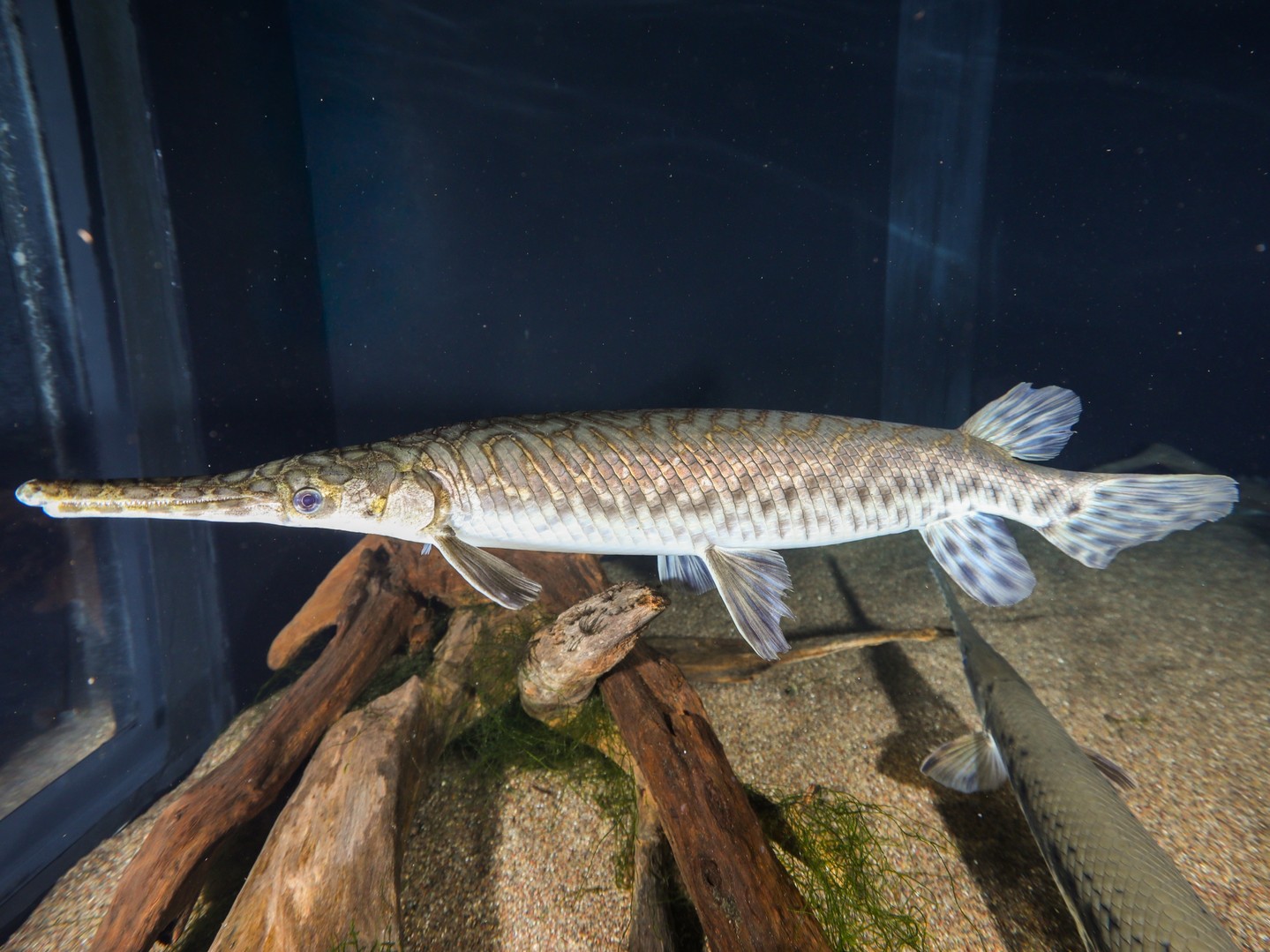
- The seven species of gar and their habitats.
- Characteristics of gar, including size and feeding habits.
- The ecological role of gars in freshwater ecosystems.
- Breathing adaptations of gar.
- Misconceptions about gar and their importance to conservation.
Gar are fascinating fish that have been around for millions of years. They belong to the family Lepisosteidae, which includes seven recognized species. Among these, the longnose gar (Lepisosteus osseus) and the spotted gar (Lepisosteus oculatus) inhabit many freshwater areas in North America and are prominently featured in exhibits like the Ancestral Fishes section at many aquariums. Understanding the different species of gar is essential for appreciating their roles in aquatic ecosystems.
The largest species is the alligator gar (Atractosteus spatula). This impressive fish can reach lengths of up to 8 feet and can weigh more than 200 pounds. Alligator gars inhabit rivers, lakes, and floodplains from southern Canada to Costa Rica. These habitats provide an abundant food source and ample space for breeding and foraging, showcasing the versatility of these ancient fish.
Gar species are known for their distinctive physical characteristics. They have elongated bodies, long snouts, and sharp, conical teeth that make them highly effective predators. The sleek, armored appearance of gars has captivated fish enthusiasts and scientists alike. Their streamlined form allows them to navigate swiftly through water, while their sharp teeth aid in their ambush hunting technique. Gars typically ambush smaller fish, seizing their prey with sudden, powerful strikes.
One of the most interesting aspects of gar biology is their ability to breathe air. Aside from using gills like most fish, gars can gulp air from the surface. This adaptation is particularly advantageous in low-oxygen environments where other fish might struggle to survive. Their swim bladders function as a lung, allowing them to extract oxygen directly from the air. This capability enables gars to thrive in a range of freshwater habitats, including swamps and mud-bottomed waters that may be inhospitable for many other fish species.
Despite their sometimes fearsome appearance and predatory nature, gars are essential players in maintaining the balance of freshwater ecosystems. As apex predators, they help control the populations of smaller fish and aquatic organisms, which contributes to a healthy biodiversity. Moreover, gars serve as indicators of water quality and habitat health. A decline in gar populations can signal broader issues within an ecosystem, prompting conservation efforts aimed at restoring balance.
Unfortunately, gars often face misunderstanding and prejudice. Many people mistakenly label them as pests due to their fierce appearance and predatory behavior. This negative perception can lead to increased fishing pressure or habitat destruction, further endangering their populations. Educational efforts aimed at dispelling these myths are crucial. Raising awareness about the ecological contributions of gars is essential for their protection and conservation.
In addition to their ecological significance, gars have cultural importance. They are part of the heritage of many indigenous communities and are often featured in local folklore. Appreciating the cultural context of these fish adds another dimension to understanding their overall value. Incorporating cultural narratives into conservation efforts can engage communities and foster a sense of shared responsibility for protecting these ancient inhabitants.
The threats faced by gar populations today include habitat loss, pollution, and overfishing. Urbanization and land development often lead to the destruction of wetland areas, which are crucial for the survival of many gar species. Additionally, water pollution can degrade the water quality in which they live, posing further risks. In some regions, overfishing and targeted removal of gars contribute to population declines, potentially disrupting local ecosystems.
Conservation efforts focused on gar require a multifaceted approach. Establishing protected areas can help preserve essential habitats. Moreover, community engagement is vital; involving local populations in conservation initiatives can enhance awareness and foster stewardship of natural resources. Research and monitoring programs can provide valuable data on gar populations, enabling more effective conservation strategies.
Aquarists and zoologists also play an important part in gar conservation. Through captive breeding programs, institutions can help bolster populations of threatened species. These programs often raise awareness about the ecological role and survival needs of gars. Educational exhibits in zoos and aquariums offer visitors the chance to learn about these remarkable fish, deepening their understanding and appreciation.
Gars’ ancient lineage dates back to the late Cretaceous period, over 100 million years ago, making them one of the oldest extant fish families. Their evolutionary history provides insight into how certain species adapt to changing environments over vast time scales. By studying gars, researchers can learn more about evolutionary strategies that have enabled survival in diverse habitats.
The adaptability of gars is a function of their robust physiology and evolutionary history. Their diet primarily consists of fish, but they may also consume insects and crustaceans. This dietary flexibility allows gars to exploit various ecological niches, enhancing their survival capabilities. Their superior camouflage and stealthy hunting approach make them formidable predators in their aquatic environments.
The ongoing study of gar species can offer valuable lessons in biodiversity and ecological balance. They are not just fascinating subjects for biologists; they also serve as a reminder of the interconnectedness of life within aquatic ecosystems. Understanding the necessary conditions for their survival helps highlight the importance of preserving freshwater habitats.
Incorporating gar education in school curricula can cultivate a new generation of conservationists. Through field trips to aquariums or local habitats, students can engage with these fish firsthand. Experiential learning can foster a deeper appreciation for aquatic ecosystems and the creatures within them. Future conservation efforts will depend on informed advocates who understand the significance of maintaining biodiversity.
Research into gar physiology and genetics is still an evolving field. There is much to learn about their reproductive behaviors, life cycles, and habitat preferences. Every new study adds a layer of understanding that could have implications for their conservation. As their habitats continue to face challenges, the need for ongoing research takes on added urgency.
The long-term survival of gar species relies not just on localized conservation efforts but on a global awareness of freshwater ecosystems. In this era of climate change and environmental degradation, collaboration among scientists, local communities, and policymakers is more critical than ever. Raising public awareness about the importance of sustaining gar populations will lead to targeted conservation initiatives.
Engaging with local communities to protect freshwater environments ensures that these habitats remain intact for generations to come. The role of educational programs highlighting the importance of gars is essential in fostering a culture of conservation. Workshops, seminars, and public events can spread knowledge and inspire collective action, contributing to broader awareness.
In summary, gars are vital components of freshwater ecosystems. They are equipped with remarkable adaptations that enable their survival, while also playing a crucial role in maintaining ecological balance. Understanding and appreciating the diversity within the gar species can inspire efforts to conserve not just these ancient fish, but the freshwater habitats they inhabit. With more information and awareness, we can work together to protect these fascinating creatures and their ecosystems, pushing towards a future where gars and the freshwater environments they call home can thrive.
*****
Source Description
Don’t mind us as we continue to nerd out about gar for Gar Week! 💚
Here are some things you should know about these impressive ancient fishes:
• There are seven species of gar in the world, and the Aquarium is home to two in our Ancestral Fishes exhibit: the longnose gar and spotted gar.
• The largest species is the alligator gar, which can grow up to 8 feet long!
• Gar are found in rivers, lakes, and floodplains from southern Canada to Costa Rica, thriving in the warm freshwaters of the southern United States.
• They can breathe air by gulping it through their mouths! They can also breathe through their gills like most fishes.
• With their long snouts and sharp teeth, gars are expert ambush hunters that quickly snatch fish from the water.
• Though sometimes misjudged as “pests,” gars are actually important native predators that help maintain balance in freshwater ecosystems.
Let’s hear it for gars! 👏🏽
