
- The significance of Hatch-Day celebrations in zoos and their impact on public engagement.
- Understanding the Masked Bobwhite: its physical characteristics, habitat, and behavior.
- The conservation status of the Masked Bobwhite and the implications of habitat loss.
- The role of zoos in wildlife conservation and education, particularly for endangered species.
- How the celebration of individual animals fosters a deeper connection between the public and wildlife.
The Hatch-Day celebrations at the zoo highlight the importance of engaging the public with wildlife, particularly endangered species like the Masked Bobwhite. These events bring attention to individual animals, fostering emotional connections that can enhance support for conservation efforts. By inviting the community to celebrate milestones like birthdays, zoos encourage visitors to learn about species, their habitats, and the challenges they face in the wild.
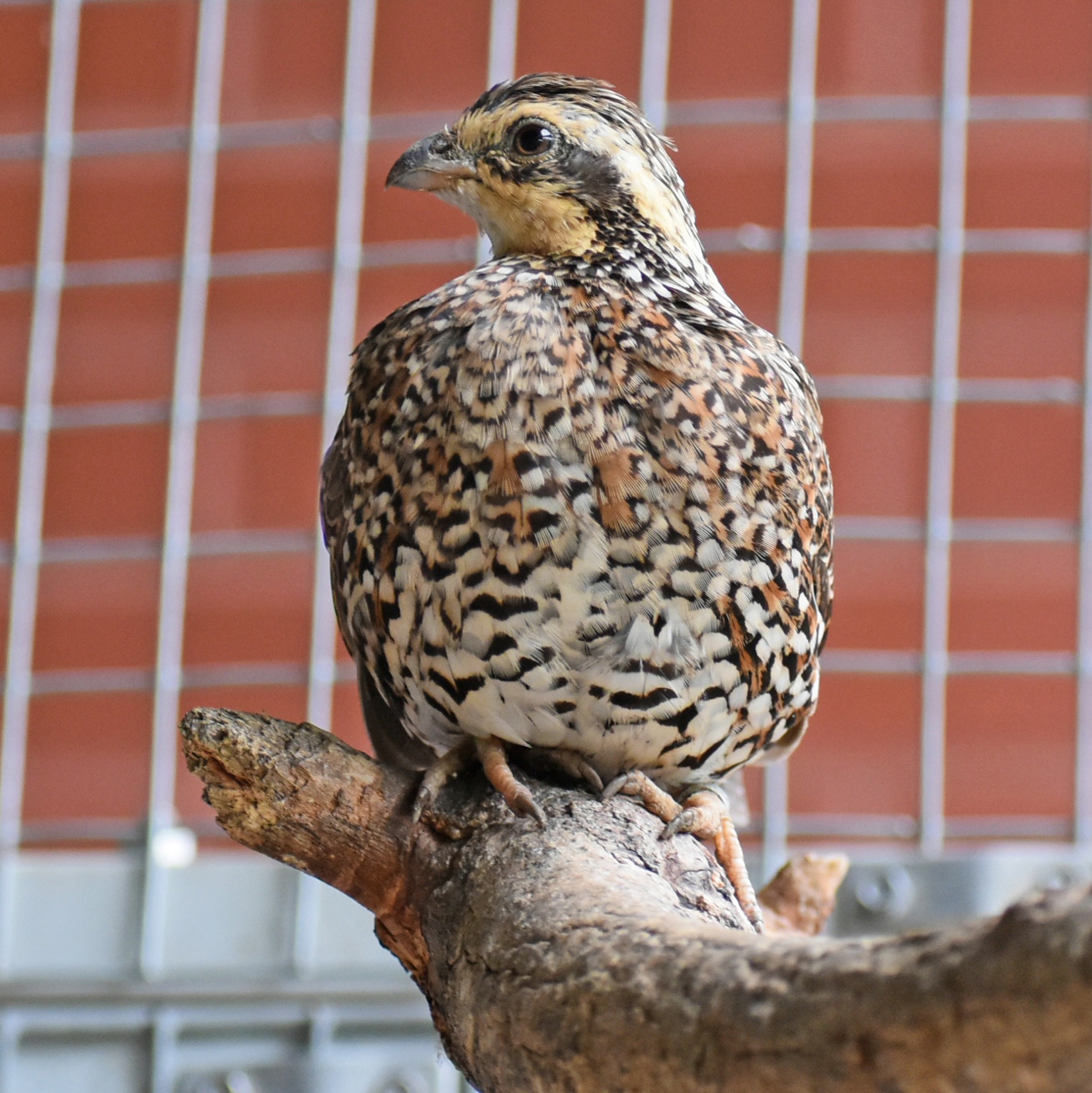
The Masked Bobwhite, specifically, is a small, ground-dwelling bird that is endemic to North America. Adult Masked Bobwhites stand at approximately 5 to 6 inches tall, characterized by their striking plumage and distinctive mask-like facial markings. The males display vibrant coloration, including a bright white throat with black accents, while females exhibit more muted tones. This size makes them particularly vulnerable, as they are easy targets for predators in their natural habitats.
In addition to their physical traits, the behavioral characteristics of Masked Bobwhites are of interest. These birds are known for their social structures, often living in coveys. This social behavior helps protect them from predators, as they can easily alert one another to danger. Their foraging behavior typically includes feeding on seeds, grains, and insects. This omnivorous diet is essential for their growth and reproductive success, particularly in environments where food resources fluctuate.
However, despite these adaptations, the Masked Bobwhite is classified as critically endangered. The designation stems from their declining population in the wild, primarily due to habitat loss. Urban development, agricultural expansion, and changes in land use have significantly reduced their natural habitats, leading to their disappearance from the wild since 2007. This alarming decline not only affects individual species but also disrupts the entire ecosystem, as every species plays a unique role within its habitat.
The role of zoos extends beyond merely housing animals; they are critical resources for conservation efforts. By providing a safe environment for endangered species, zoos contribute to breeding programs aimed at increasing population numbers. While the Masked Bobwhite is absent from its natural habitat, zoos can provide a breeding sanctuary. These programs not only focus on increasing numbers but also include education initiatives that increase awareness about the threats these birds face in their natural habitats.
Celebrating events like the Hatch-Day of Dot, Heath, and Taffy at the zoo serves a dual purpose. It raises awareness about individual animals while drawing attention to the broader challenges of wildlife conservation. Visitors can learn about the species, its difficulties, and the collective effort required to preserve them. Such engagement cultivates empathy and understanding among the community, making them more inclined to support conservation initiatives.
When discussing conservation status, it is crucial to acknowledge the ongoing efforts in restoration and habitat protection. Various organizations work tirelessly to create programs aimed at reintroducing endangered species back into suitable habitats. These initiatives rely on habitat restoration, sustainable land-use practices, and effective management strategies. Partnerships between zoos, governmental bodies, and individual conservationists can create sustainable solutions while preserving the rich biodiversity found in regions where Masked Bobwhites were historically located.
Another important aspect of the educational initiatives is the technology used to monitor bird populations. Techniques such as radio telemetry and genetic analysis help scientists track populations and understand their reproductive success. By keeping thorough data, conservationists can make informed decisions regarding habitat management and restoration, creating dynamic strategies that respond to current challenges.
Moreover, public engagement through celebrations like Hatch-Days serves another educational function. Such events create a platform for sharing scientific knowledge in an accessible manner. Through fun and interactive experiences, visitors become more curious about wildlife. They often leave with a deeper understanding and appreciation for biodiversity, making them potential advocates for the conservation of endangered species.
Additionally, zoos often partner with schools and local organizations to amplify their education efforts. Bringing students to observe these rare birds in person enhances their learning experience. Students can learn about ecosystems, food webs, and the delicate balance necessary for maintaining biodiversity. Creating this space for curiosity can inspire a new generation dedicated to environmental stewardship.
The plight of the Masked Bobwhite is emblematic of a broader conservation narrative. Many species face similar threats, driven by human actions that compromise their habitats. In recognizing the urgency to protect these birds, we also reflect on the collective responsibility to preserve the environment as a whole. Instead of viewing extinction as a fate that befalls distant species, it becomes a real concern that affects ecosystems as well as the health of the planet.
The celebration of Hatch-Days at the zoo highlights the intersection of joy, education, and action. This dual focus creates a model for how zoos can approach wildlife preservation in innovative ways. Engaging community members fosters a sense of responsibility. It inspires individuals not only to admire wildlife but also to advocate for concrete changes in their environments.
These efforts underscore the significant role that education plays in conservation. Informative programs tailored for various audiences ensure that everyone can gain valuable insights into wildlife issues. By reinforcing the connection between individual animals and broader ecological realities, zoos prepare the ground for proactive environmental citizens.
Through the joyous occasion of celebrating the birthdays of Dot, Heath, and Taffy, we are reminded of both the fragility and resilience of life. These three Masked Bobwhites symbolize hope for conservationists and wildlife enthusiasts alike. Celebrations serve to remind us of the rare beauty of biodiversity and the actions necessary to protect it.
In celebrating the Hatch-Days of the Masked Bob Whites, the zoo not only acknowledges the individuality of its residents but also recognizes the pressing need for dedicated conservation efforts. As communities gather to share in this auspicious occasion, they are invited to become integral participants in the narrative of wildlife preservation, highlighting the importance of integrating joy with action. The future of the Masked Bobwhite, along with countless other species, depends on an informed and passionate public ready to advocate for conservation initiatives.
Zoo events are more than just a happy gathering; they serve as vital nodes for action. Engagement in such activities lays the foundation for substantial change. It underscores the idea that every individual can contribute to environmental stewardship, thereby creating a lasting impact on the world around them. With the Masked Bobwhite as a focal point of this celebration, we are inspired to take action, ensuring that the song of this rare bird continues to be heard for generations to come.
*****
Source Description
🥳 We have THREE, that’s right THREE 𝐇𝐚𝐭𝐜𝐡-𝐝𝐚𝐲𝐬 at the Zoo this weekend! Our Masked Bobwhites Dot, Heath, and Taffy (first to last image) all are celebrating turning 5 years old! Happy hatch-day you three fun little cuties! 🎂🐣
🌐 DID YOU KNOW: At only 5 to 6 inches tall, Masked Bobwhites are listed as 𝐜𝐫𝐢𝐭𝐢𝐜𝐚𝐥𝐥𝐲 𝐞𝐧𝐝𝐚𝐧𝐠𝐞𝐫𝐞𝐝 and are one of the rarest birds in North America! There have been no wild sightings since 2007 due to habitat loss!
👉 Learn more about these incredibly rare birds: https://www.saginawzoo.com/masked-bobwhite/
