
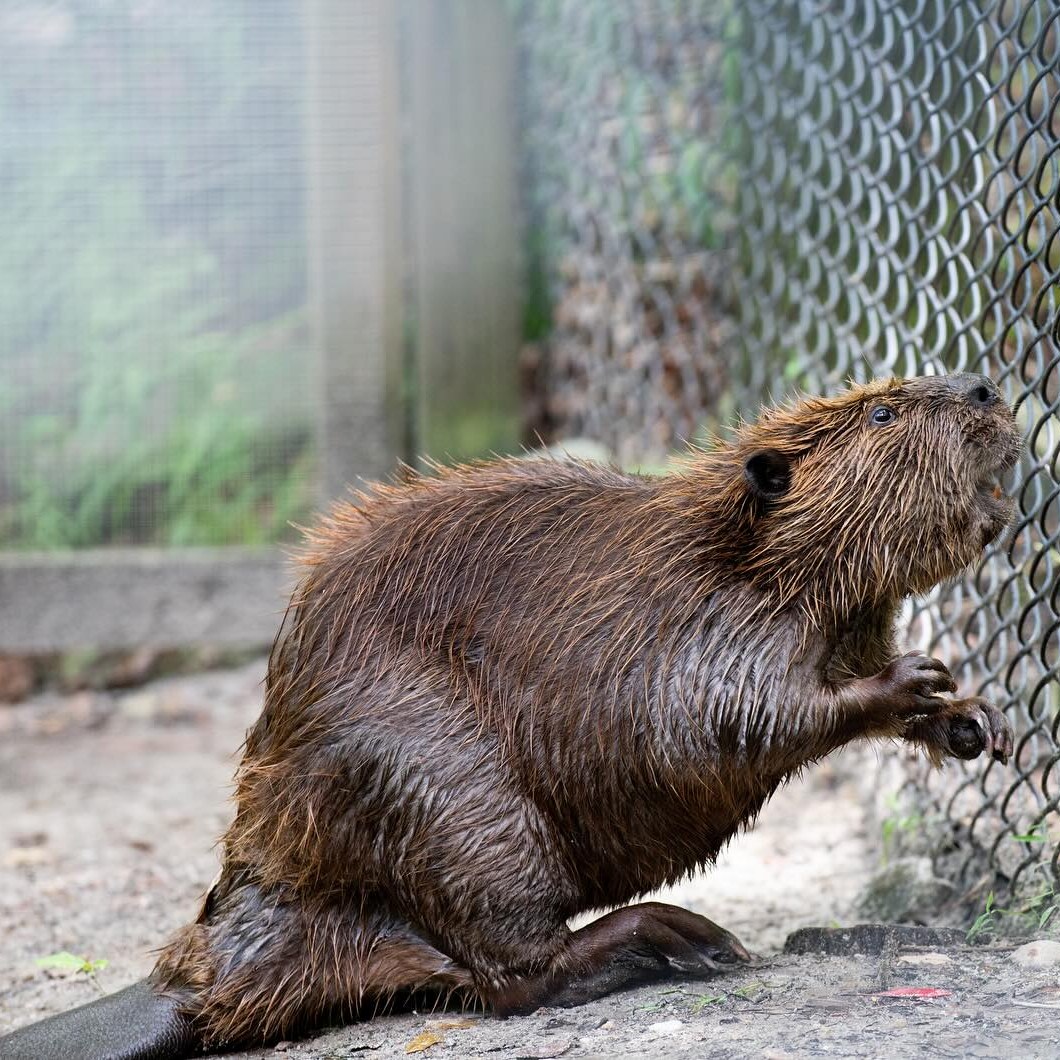
- Rexy’s Journey: Celebrating Nine Years of Life
- The Ecological Role of Beavers
- Anatomy and Behavior: Unique Features of Beavers
- Conservation Efforts and Challenges
- Engagement and Education: How You Can Get Involved
Today marks a very special occasion—our beloved beaver, Rexy, is turning 9 years old! Over the years, Rexy has become more than just an animal in our habitat; he represents the intricate relationship between nature and wildlife conservation. Celebrating Rexy’s birthday allows us to reflect on his journey and the critical role beavers play in maintaining healthy ecosystems.
Rexy’s Journey: Celebrating Nine Years of Life
Rexy was born to a pair of beavers brought into our organization to help educate the public about their species. From a young age, Rexy exhibited curiosity and energy that would later define his interactions with both visitors and his environment. Now at 9 years old, Rexy has developed into a strong and independent beaver. He embodies the spirit of wildlife, showcasing resilience and adaptability in a controlled habitat.
Throughout his life, Rexy has participated in various educational programs. These initiatives teach people about beaver behavior, and habitat requirements, and the importance of wildlife conservation. Visitors often find themselves enchanted by his playful demeanor and industrious nature. They can watch him dive underwater or observe the meticulous way he constructs his dam.
Rexy’s birthday provides us with an opportunity to educate our audience further. Interactive activities related to Rexy’s life bring awareness to how essential beavers are in the environment. By celebrating this day with our community, we foster a deeper appreciation for wildlife and the ecosystems they help create.
The Ecological Role of Beavers
Beavers are often termed nature’s engineers for good reason. They build dams that not only create ponds but also enhance biodiversity. These structures play a role in water retention, which mitigates flooding, recharges groundwater, and helps improve water quality. As beavers work on their dams, they create vast wetlands, transforming landscapes and benefiting various species, including fish, amphibians, and birds.
The construction of beaver dams increases habitat complexity. Ponds formed behind these barriers support numerous aquatic plants and insects. This biodiversity, in turn, attracts larger species such as birds and mammals, creating a thriving ecosystem. These animals often rely on beaver-created habitats for breeding, feeding, and shelter. In many cases, beaver wetlands increase species richness, ultimately benefiting entire food webs.
Interestingly, beavers are also instrumental in carbon sequestration. By flooding areas, they allow organic material to decompose slowly under water. This process not only creates carbon sinks but also enhances soil fertility. The contribution of beavers to wetlands is invaluable for climate change mitigation, as healthy ecosystems are crucial in absorbing greenhouse gases.
Anatomy and Behavior: Unique Features of Beavers
Rexy’s physical attributes span a range of fascinating features. One of the most notable aspects is his orange teeth, which are rich in iron. This characteristic helps keep his teeth strong and sharp, enabling him to chew through tough wood. Beavers have powerful jaws and muscles designed specifically for this purpose.
In addition to their specialized teeth, beavers possess strong, webbed feet that make them exceptionally agile swimmers. Their flat tails serve multiple functions: it functions like a rudder for navigation in water while also acting as a warning device. When threatened, beavers slap their tails on the water’s surface, creating loud noises to alert other beavers of danger. Not only does this behavior showcase communication within the species, but it also reflects the dynamic social structure of beaver families.
Another key aspect of beaver behavior is their nocturnal nature. Active primarily during the night, they spend hours foraging for food and working on their dams. Their diet consists mainly of tree bark, leaves, and aquatic plants, showcasing their adaptability in different environments. Beavers can hold their breath underwater for up to 15 minutes, a skill that aids them in gathering resources while evading predators.
The physical and behavioral characteristics of beavers contribute significantly to their ecological roles. Their demonstrated problem-solving skills and social behaviors make them intelligent animals that can adapt to changing environments. Observations of Rexy and his interactions offer insights into how these features aid survival and contribute to their ecological engineering.
Conservation Efforts and Challenges
Despite their ecological significance, beavers face challenges in the wild. Urbanization and land development have led to habitat loss, which places stress on beaver populations. Additionally, human perspectives on beavers vary. Sometimes viewed as pests due to their flooding and tree-cutting activities, they are frequently trapped or relocated. These harmful practices threaten beaver populations and disturb the delicate balance they bring to ecosystems.
Conservation efforts aimed at preserving beavers and their habitats are crucial. Communities can work towards creating beaver-friendly environments. This includes implementing coexistence strategies that allow beavers to thrive while alleviating conflicts with human activities. Educating the public about the ecological benefits of beavers can help shift perceptions and promote conservation initiatives.
Organizations focused on wildlife conservation are working on beaver monitoring programs to understand their populations better. Data collected through these efforts can inform management strategies aimed at balancing human interests with wildlife needs. By participating in these programs, individuals can actively contribute to conservation efforts and help mitigate negative human-animal interactions.
Using Rexy’s birthday as a platform, we can raise awareness about beaver conservation. Events, workshops, and educational materials centered around Rexy’s life can provide valuable insights into how beavers contribute to environmental health. By sharing knowledge, we encourage the public to take steps toward supporting wildlife conservation and protecting habitats.
Engagement and Education: How You Can Get Involved
How can you join the celebration while promoting awareness of these remarkable animals? Engaging with your local wildlife community is essential. Consider visiting habitats where beavers are present or participating in educational programs offered by zoos or nature reserves. Many organizations host events around important animal birthdays, providing opportunities for the public to learn.
Sharing information on social media platforms can also amplify awareness. Use your voice to discuss Rexy’s birthday, highlighting the ecological role of beavers, their unique traits, and their conservation challenges. Encouraging friends and family to appreciate wildlife contributes to a broader culture of environmental stewardship.
If you want to take a more active role in conservation, consider volunteering with local wildlife organizations. Opportunities may include habitat restoration projects, educational outreach, or monitoring beaver populations. Your involvement can make a difference in addressing the challenges these animals face.
Additionally, donations to wildlife conservation efforts help fund research, education, and habitat restoration initiatives. The more we invest in beavers and their ecosystems, the better prepared we will be to protect them for future generations.
As we celebrate Rexy’s 9th birthday, let’s reflect on the wealth of knowledge that wildlife offers us. Rexy is not just a charming beaver; he represents the intricate links between ecosystems and the responsibilities we hold in preserving them. Whether through education, conservation efforts, or individual engagement, each of us has a role to play in safeguarding wildlife and fostering a sustainable environment for all.
Today, as you stop by Rexy’s habitat, snap a photo, and wish him a happy birthday, remember that your engagement in wildlife conservation can create waves far beyond this special occasion. The celebration of Rexy’s life is a tribute to the incredible ecosystem engineering of beavers everywhere. Through this recognition, we not only honor Rexy but also all beavers and the essential roles they fulfill. Celebrate today, share the love for these amazing animals, and advocate for their conservation!
*****
Source Description
Help us celebrate Rexy’s 9th birthday! 🐾🎉
Today marks a very special occasion—our beloved beaver, Rexy, is turning 9 years old! Join us in celebrating nearly a decade of tree munching and expert dam building. It’s been such a joy to watch this remarkable animal grow and thrive, and we’re excited to share some fun facts in honor of the big day!
Beavers are truly nature’s engineers. They use sticks, mud, and stones to build dams and lodges that help create entire wetland ecosystems—benefiting all kinds of wildlife. Their orange teeth (yes, orange from iron!) never stop growing, so they’re always chewing on wood to keep them trimmed. Beavers are also excellent swimmers, thanks to their powerful webbed feet and iconic flat tails, which they use for balance, steering, and even slapping the water to warn others of danger. And believe it or not, they can hold their breath underwater for up to 15 minutes!
We hope you enjoy learning more about this incredible species as we celebrate 9 amazing years of one very special beaver. Don’t forget to stop by the habitat, snap a photo, and wish Rexy a happy birthday! 🦫
