
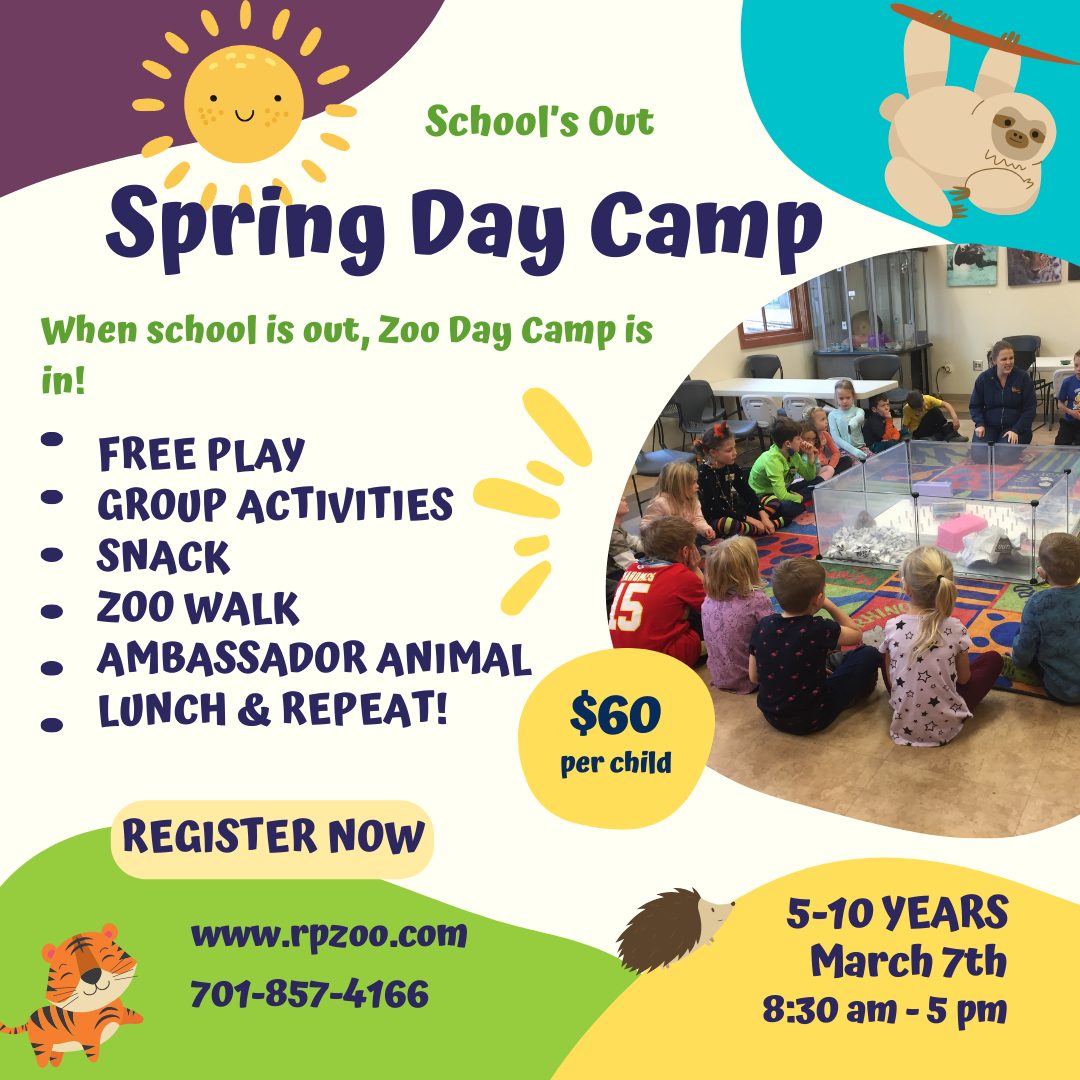
- Introduction to the Spring Day Camp at Roosevelt Park Zoo and its significance for wildlife education.
- Importance of zoos in wildlife conservation and their role in public awareness.
- Overview of the Roosevelt Park Zoo’s initiatives in zoo management and animal welfare.
- The educational aspects of the Spring Day Camp, including activities and programs.
- The impact of zoos and such camps on fostering environmental responsibility in young minds.
Spring is a time of renewal and discovery, making it an excellent season for children to connect with nature and learn about wildlife. In one week, participants have the opportunity to join us for the Spring Day Camp at the Roosevelt Park Zoo. To register, visit https://rooseveltparkzoo.com. This camp aims to provide children with an immersive experience that deepens their understanding of wildlife and conservation. Through a series of structured activities, the camp enlightens young minds about the natural world and inspires a lasting interest in preserving our planet’s biodiversity.
Zoos have long stood as vital institutions in the global effort to conserve species and educate the public. Beyond serving as repositories for endangered species, modern zoos focus extensively on the education of future generations. By introducing children to the complexities of animal behavior and ecosystems, zoos play a crucial role in shaping informed citizens who care about conserving wildlife. The Roosevelt Park Zoo exemplifies this mission, offering programs that emphasize both the beauty and the vulnerability of the natural world.
The Roosevelt Park Zoo has carved a niche for itself through its dedication to animal care, habitat design, and educational outreach. With an emphasis on animal welfare, the zoo has developed comprehensive strategies to ensure that its residents thrive in environments that mimic their natural habitats as closely as possible. This involves a mix of advanced veterinary care, enrichment programs, and sustainable practices that align with global zoo management standards. The Spring Day Camp is an extension of these values, providing a platform for engaging activities that reflect the zoo’s commitment to education and conservation.
At the heart of the Spring Day Camp are interactive learning experiences crafted to captivate and educate young participants. Activities include guided tours, hands-on workshops, and creative projects that encourage children to explore the zoo’s diverse habitats. These experiences are designed to introduce concepts such as biodiversity, ecosystem dynamics, and the importance of conservation efforts. By engaging with zoo educators and animal experts, children gain insights into the lives of various species, fostering an appreciation for animal diversity and the intricacies of maintaining ecological balance.
One of the most effective ways to instill a sense of environmental stewardship in younger generations is through direct engagement and education. The Spring Day Camp at Roosevelt Park Zoo is not just about seeing animals but understanding their roles in ecosystems and the challenges they face. Educational activities highlight the impact of human actions on wildlife and emphasize the importance of sustainable practices. By cultivating an early interest in these topics, the camp helps lay the foundation for responsible citizenship and future conservation efforts.
Incorporating conservation initiatives into the curriculum of Spring Day Camp is of paramount importance. Zoos are increasingly involved in global conservation programs, and Roosevelt Park Zoo is no exception. By supporting breeding programs for endangered species and participating in research projects, the zoo contributes to the preservation of global biodiversity. Camps such as this serve as an extension of these efforts, as they educate children about species at risk and involve them in discussions and activities centered around the importance of conservation.
The presence of zoos and associated educational programs significantly enhances public awareness regarding wildlife conservation. Many animals, such as certain amphibians and small mammals, escape attention because of their less charismatic nature. Through detailed programs, zoo camps help shine a spotlight on these lesser-known species and their ecological importance. Therefore, they play an instrumental role in driving home the message that every species counts and conservation should be a collective effort.
Hands-on learning is a proven method of teaching complex ideas in an approachable way. Spring Day Camp incorporates laboratories and simulation games that offer tactile experiences with elements of the natural world. This method dramatically improves comprehension and retention of new concepts. It engages children in active problem-solving exercises that focus on issues like habitat destruction and the effects of climate change. These enriched learning experiences make abstract conservation concepts concrete and relatable.
The collaboration between zoo staff and educators is another compelling feature of the Spring Day Camp. By working together, they can offer experiences grounded in expertise and science, whilst remaining engaging and accessible to children. This kind of interdisciplinary teaching results in a more comprehensive educational program, combining academic knowledge with real-world applications. By participating in activities led by passionate educators, children are more likely to absorb information and be moved to action.
Zoos play an essential role in nurturing future conservationists. By taking part in Spring Day Camp, children are exposed to early experiences that shape their understanding and attitudes toward the environment. Such exposure can catalyze a lifelong interest in conservation topics and careers. Zoos like Roosevelt Park Zoo provide not just the physical settings for learning but also the expertise and inspiration that kindle passion and commitment in young minds. Consistent exposure to well-structured programs ensures that this passion is not fleeting but develops into a mature, informed advocacy as participants grow up.
In understanding the role of zoos in conservation, it’s also important to recognize the necessity of public support for zoo programs. Community involvement strengthens zoo initiatives, enhancing their reach and effectiveness. As children and their families engage in activities offered by the Spring Day Camp, they also become advocates for the zoo’s mission. Active community participation fosters a sense of collective responsibility, significantly advancing the cause of wildlife preservation and sustainability.
With the growing awareness of environmental challenges, initiatives like the Spring Day Camp are more relevant than ever. By educating young individuals today, we are paving the way for a future generation that values preservation and acts responsibly. Activities that foster connections with nature and highlight our role in safeguarding it give these young minds the tools they need to advocate for change throughout their lives. In this way, Roosevelt Park Zoo’s Spring Day Camp exemplifies a modern approach to conservation education—one that is interactive, impactful, and enduring.
*****
Source Description
In one week, join us for Spring Day Camp! Register at https://rooseveltparkzoo.com
