
- The significance of ocean health and its impact on global ecosystems
- Key initiatives taking place for ocean conservation
- The role of organizations like SEA LIFE TRUST in promoting ocean stewardship
- Community engagement and the importance of volunteerism in ocean projects
- Future directions and the challenges facing ocean conservation efforts
The significance of ocean health extends far beyond its vast waters. Oceans cover over 70% of Earth’s surface, acting as a crucial regulator of climate, a source of oxygen, and a habitat for an array of marine species. Healthy oceans support intricate ecosystems that not only sustain fish populations but also contribute to nutrient cycles and carbon storage. The ocean’s well-being directly correlates with human health, food security, and economic stability; thus, addressing its challenges is paramount for maintaining both biodiversity and livelihoods.
Numerous key initiatives are currently underway to support ocean conservation. Various global agreements aim to curb pollution, protect marine habitats, and promote sustainable fishing practices. Organizations and governments are increasingly acknowledging the dire impacts of overfishing, plastic pollution, and climate change on marine habitats. In response, regulations and guidelines are being established to promote practices that conserve biodiversity and protect marine resources. The establishment of marine protected areas (MPAs) is gaining traction as a vital tool in maintaining ocean health.
Organizations like SEA LIFE TRUST play a critical role in promoting ocean stewardship. They are dedicated to safeguarding marine environments and addressing pressing issues such as overfishing and habitat destruction. SEA LIFE TRUST engages in various conservation projects that focus on the rehabilitation of marine species, education, and raising awareness about the importance of sustainable practices. They collaborate with researchers and local communities to develop innovative solutions to preserve marine ecosystems.
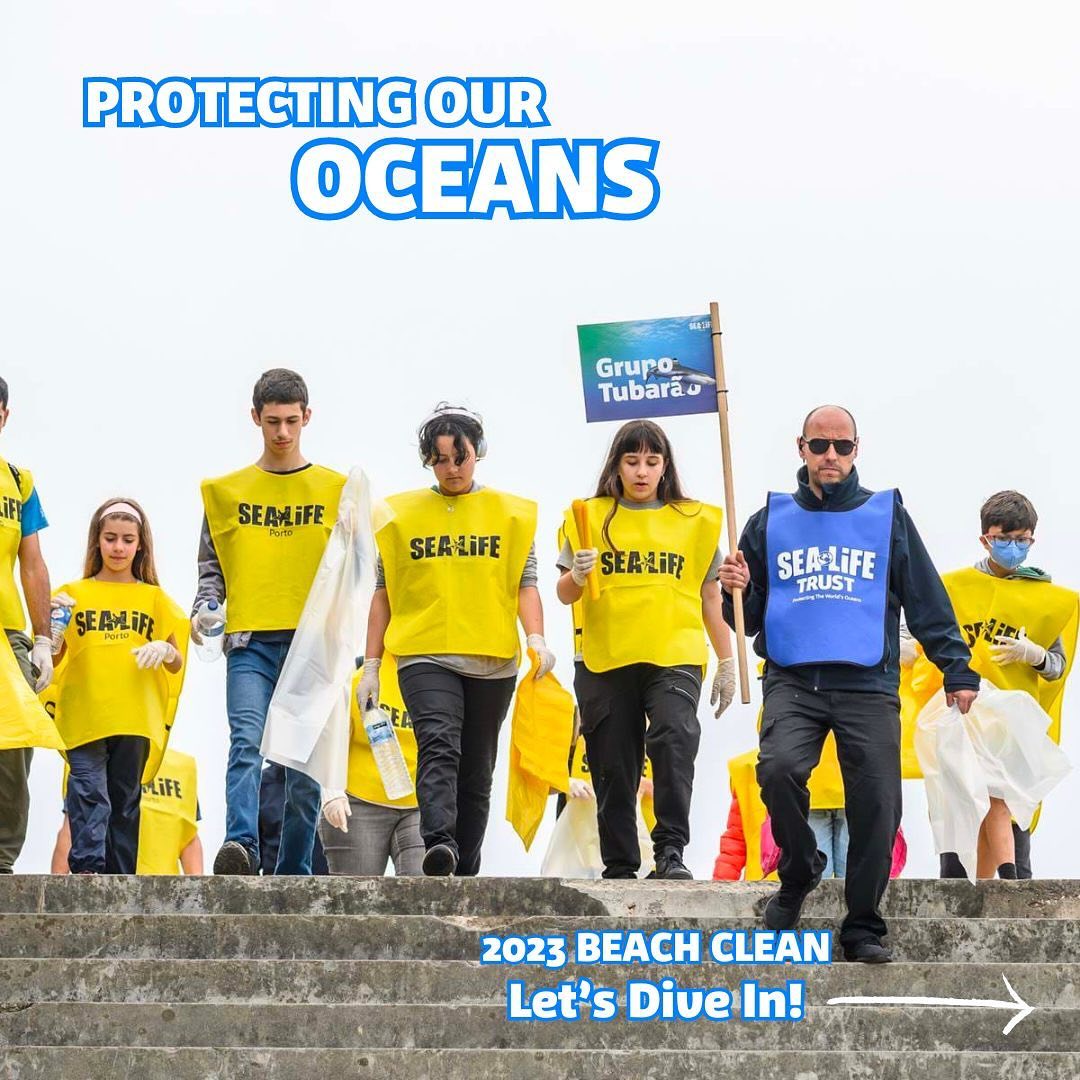
Community engagement is essential in the fight for ocean conservation. Local participation is vital for the success of conservation projects. Communities can contribute in diverse ways, from participating in clean-up initiatives to advocating for sustainable policies. Volunteerism fosters a connection to the ocean, encouraging individuals to become stewards of their local environments. This grassroots movement can often lead to significant changes in policy and community behavior, making the fight for healthier oceans a collective effort.
Future directions for ocean conservation face multiple challenges. Climate change poses a significant threat to marine biodiversity. Rising sea temperatures lead to coral bleaching and altered species distributions, disrupting established ecosystems. Additionally, plastic pollution continues to suffocate ocean habitats. The fight against single-use plastics and advocating for more sustainable alternatives is crucial in mitigating this issue. Ongoing education and awareness campaigns must persist to shift societal norms regarding ocean use.
Addressing these complex challenges requires concerted efforts at local, national, and global levels. Investments in scientific research are necessary to better understand marine ecosystems and devise effective conservation strategies. Policymakers must implement stricter regulations to tackle overfishing and habitat degradation. Moreover, promoting eco-friendly tourism can provide economic incentives for local communities to engage in ocean conservation.
The combination of strong policies, community action, and organizational support can help build a resilient ocean ecosystem. By participating in initiatives like those proposed by SEA LIFE TRUST, individuals contribute to a global movement aimed at restoring and maintaining ocean health. Projects that focus on clean-up, biodiversity restoration, and community education are instrumental in advancing this cause.
When considering involvement in ocean stewardship, individuals can explore various activities offered by SEA LIFE TRUST. These may include local clean-up campaigns, educational programs, and collaborative research opportunities. Engaging with local experts provides valuable insights into the challenges facing your community’s marine environment and effective strategies to confront them.
The impact of invasive species also cannot be overlooked. Non-native species can disrupt local ecosystems and outcompete native organisms for resources, often leading to declines in biodiversity. Education and community-driven initiatives are central to managing these species effectively. Understanding the implications of invasive species and implementing preventive measures can protect vulnerable ecosystems.
Furthermore, the role of technology in ocean conservation is growing. Advancements in data collection, satellite monitoring, and biotechnology enable researchers to gather critical information on ocean health. These tools facilitate the study of marine species, their behaviors, and their habitats. As data becomes more accessible, it allows communities to better understand their local marine environments and how to protect them.
Public awareness campaigns are vital tools in fostering a culture of ocean conservation. These initiatives can demonstrate the direct consequences of human actions on marine ecosystems, encouraging individuals and businesses to adopt sustainable practices. By highlighting success stories and educational content, organizations can inspire action within communities.
As international cooperation grows, so does the potential for impactful ocean conservation. Collaborative efforts among countries are essential for discussing issues that cross borders, such as pollution and migratory species conservation. With united fronts, nations can address ocean health on a grand scale. Agreements like the Paris Agreement, which includes provisions for protecting marine environments, symbolize this cooperative spirit.
In the context of advocating for ocean conservation, the upcoming event on June 8 presents a unique opportunity for individuals and groups to take action. By exploring local projects through SEA LIFE TRUST, each participant can contribute to restoration efforts tailored to their communities. This active involvement not only helps the ocean but also builds a sense of collective responsibility.
Moreover, educating future generations about ocean conservation is crucial. Integrating marine science into school curricula empowers young people to advocate for their oceans. Encouraging hands-on experiences, such as field trips to local coastlines or marine parks, fosters a deeper appreciation for marine environments. The more informed individuals are, the more likely they are to support sustainable practices.
Ultimately, the importance of ocean conservation and initiatives such as those from SEA LIFE TRUST is clear. The health of our oceans is vital for ecological balance and human prosperity. With each person’s contribution, no matter how small, we can collectively make significant strides toward restoring ocean health. Join in on the positive work supporting oceans and become a part of the solution. Take a step today, whether it’s attending a local event or spreading awareness about ocean issues in your community. Each action contributes to the broader goal of maintaining our oceans for future generations.
*****
Source Description
Whoa, that’s a lot of positive work to support our world’s oceans. 💙
Will you join us on June 8 for 🔗 in bio select SEA LIFE TRUST to find a clean project near you.
