
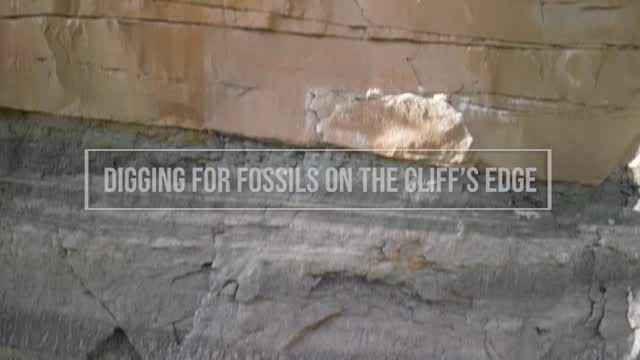
- Join us this weekend for fossil hunting tales with Dr. Dino, Chris DeLorey.
- Discover the fundamentals of fossil hunting, including techniques and tools.
- Understand the significance of fossils in understanding biodiversity and evolution.
- Explore ongoing conservation efforts related to paleontology and wildlife.
- Learn about the educational opportunities provided by zoos and museums.
Join us this weekend, October 11 & 12, for engaging presentations from Dr. Dino, Chris DeLorey, who will share exciting tales of fossil hunting. From beginner enthusiasts to those with a deep passion for paleontology, this event promises to resonate with audiences of all ages. Dr. DeLorey’s entertaining storytelling will not only captivate but also educate participants about the thrilling discoveries that come from fossil exploration.
The presentations will take place on Saturday and Sunday in the Theater at 11 AM and 2 PM. This experience is complimentary with zoo admission, making it an accessible opportunity for many families and individuals interested in learning about the science behind paleontology. The zoo setting itself serves as a conduit for engaging discussions on wildlife and conservation, elevating the experience beyond simple fossil tales.
Fossil hunting is both an art and a science. Understanding the fundamental principles of this pursuit can enrich one’s experience. Fossils offer a snapshot of life that existed millions of years ago, allowing paleontologists to piece together past ecosystems and the evolution of life on Earth. The fossilization process is a complex series of events that begins when an organism dies. Conditions must favor preservation, often involving burial in sediment, mineralization, and long periods of time.
Essential tools used in fossil hunting vary from simple hand tools to more advanced equipment. Essential items include:
- Hand tools: Hammers, chisels, and brushes are staples for fossil hunters. Each serves a specific purpose, from carefully extracting fossils from rock to delicately cleaning them afterward.
- Field notebooks: Documenting findings with sketches and notes is invaluable. This aids in tracking locations, types of fossils discovered, and geological conditions.
- GPS devices: Modern technology allows for precise location tracking, which is crucial for both scientific documentation and future visits to significant sites.
Participants can expect to gain insights into identifying different types of fossils and understanding their geological context. Dr. DeLorey will discuss various fossil types, including trace fossils like footprints, body fossils containing skeletal remains, and even chemical fossils. Each type conveys critical information about ancient life and environmental conditions at the time.
The value of fossils resides not only in their aesthetic appeal but also in their contribution to understanding biodiversity and evolution. Through the study of fossils, scientists can trace the lineage of species, revealing how they’ve adapted to changes in climate and environment over millions of years. For example, the transition from land-dwelling organisms to aquatic species offers insights into evolutionary pressure and adaptation strategies.
Understanding this evolutionary context is necessary to appreciate current biodiversity. As species face unprecedented challenges today—due to climate change, habitat destruction, and pollution—paleontological insights can inform conservation strategies. By understanding past extinction events and survival tactics, researchers can better predict and mitigate the impacts of current environmental changes.
The importance of conservation extends beyond the past. Federal and state regulations protect fossil sites and the fossils themselves. These laws often limit collecting activities to ensure that valuable scientific resources remain available for study. Many organizations engage in active soil preservation to safeguard irreplaceable findings.
Zoos also play a vital role in conservation. They provide educational programs that teach visitors about biodiversity, the importance of preserving natural habitats, and ongoing efforts to save endangered species. Educational initiatives often transcend the boundaries of wildlife conservation, extending into paleontology by offering exhibits on the dinosaurs that once roamed the Earth. Visitors can make connections between the past and the present, facilitating a deeper appreciation for the complex tapestry of life that evolves continuously.
Events like the upcoming presentations with Dr. DeLorey don’t just entertain; they inform and inspire. By participating in such activities, individuals and families take away more than just stories of ancient beings; they acquire knowledge about the delicate balance of our ecosystems and the vital role every species plays. This understanding can motivate further inquiry and participation in conservation efforts at local, national, and global levels.
Here in the zoo’s setting, one can experience firsthand the intersection of wildlife, ethics, and education. Conservationists, paleontologists, and zoologists often collaborate on research that informs both fossil and wildlife conservation. This interdisciplinary approach enables more comprehensive strategies to address pressing environmental issues, ultimately benefiting ecosystems and the animals that inhabit them.
The adventure of fossil hunting encapsulates both scientific rigor and a sense of wonder. Whether discovering a tiny trilobite’s print in a shale deposit or excavating the remnants of a majestic dinosaur, each fossil tells a story. The knowledge gained through these findings helps create a broader understanding of life’s continuity on our planet.
For families attending the zoo, especially children, this weekend will undoubtedly spark inspiration. Learning about fossils can ignite a passion for science that may influence future career choices. The field of paleontology is not limited to excavation; it includes research, education, and conservation, opening numerous pathways to explore.
Educational programs at many zoos often include hands-on experiences. Interactive exhibits or fossil dig sites allow children and adults alike to participate in activities that mimic real-life paleontological methods. This interactive approach not only conveys complex scientific concepts but makes learning accessible and relatable.
Attending fossils hunting presentations this weekend could serve as a pivotal moment. It’s an opportunity to learn about life in ways that textbooks often fail to present. Engaging storytelling combined with factual data will empower audiences to appreciate the scientific method and the rich histories that fossils encapsulate.
We encourage participants to ask questions during the presentations. These interactions enhance understanding and foster curiosity. Engaging with expert speakers like Dr. DeLorey can illuminate topics and concepts that benefit everyone, regardless of prior knowledge.
By sharing stories of triumphs and challenges in fossil hunting, Dr. DeLorey is likely to shed light on the dedication and effort required in this field. Code of ethics in paleontology emphasizes meticulous documentation and respectful excavation, which prevents the loss of critical scientific data. This foundation underscores the broader role of conservation in modern society.
In a society increasingly focused on sustainability and ecological balance, the lessons from the realms of paleontology beckon relevance. Understanding how ancient species responded to environmental shifts can serve as a blueprint for modern practices. As we navigate our current environmental challenges, we can look to the past for insight and inspiration.
The stories shared during the weekend may ignite a lifelong passion for learning. Attendees may leave with not just knowledge but enthusiasm to engage further—whether through fossil hunting activities, advocacy, or support for conservation efforts. This is the true goal of events like these: to intersect education with inspiration.
Do not miss this weekend’s opportunity to hear thrilling tales of fossil hunting from Dr. Dino, Chris DeLorey. Attending the presentations on October 11 and 12 could be a transformative experience for families and individuals alike, merging the excitement of exploration with valuable education about our planet’s history and ongoing conservation efforts. Join us at 11 AM or 2 PM in the Theater for an educational experience that promises to captivate all ages.
*****
Source Description
Join us this weekend, October 11 & 12, for thrilling tales of Fossil Hunting from Dr Dino, Chris DeLorey. 👏🦖
Presentations are on Saturday and Sunday in the Theater at 11am and 2pm.
*Free with Zoo Admission*
