- The importance of zoos and aquariums in wildlife education and conservation.
- The role they play in fostering community involvement and connection.
- Conservation efforts: success stories and ongoing challenges.
- The scientific research conducted in these institutions and its implications.
- Tips for supporting your local zoo and aquarium through visits and advocacy.
Zoos and aquariums serve as vital platforms for educating the public about wildlife and fostering compassion for animals. June, designated as National Zoo and Aquarium Month, provides an opportunity to celebrate these institutions. They ignite curiosity in young minds and inspire a sense of responsibility towards wildlife conservation.
Families often visit zoos and aquariums, where children can observe animals they might only see in books or documentaries. Witnessing a giraffe’s graceful movement or a dolphin’s playful leap creates memorable experiences that resonate with young visitors. Over time, these encounters build a framework of understanding about biodiversity and the interconnectedness of ecosystems.
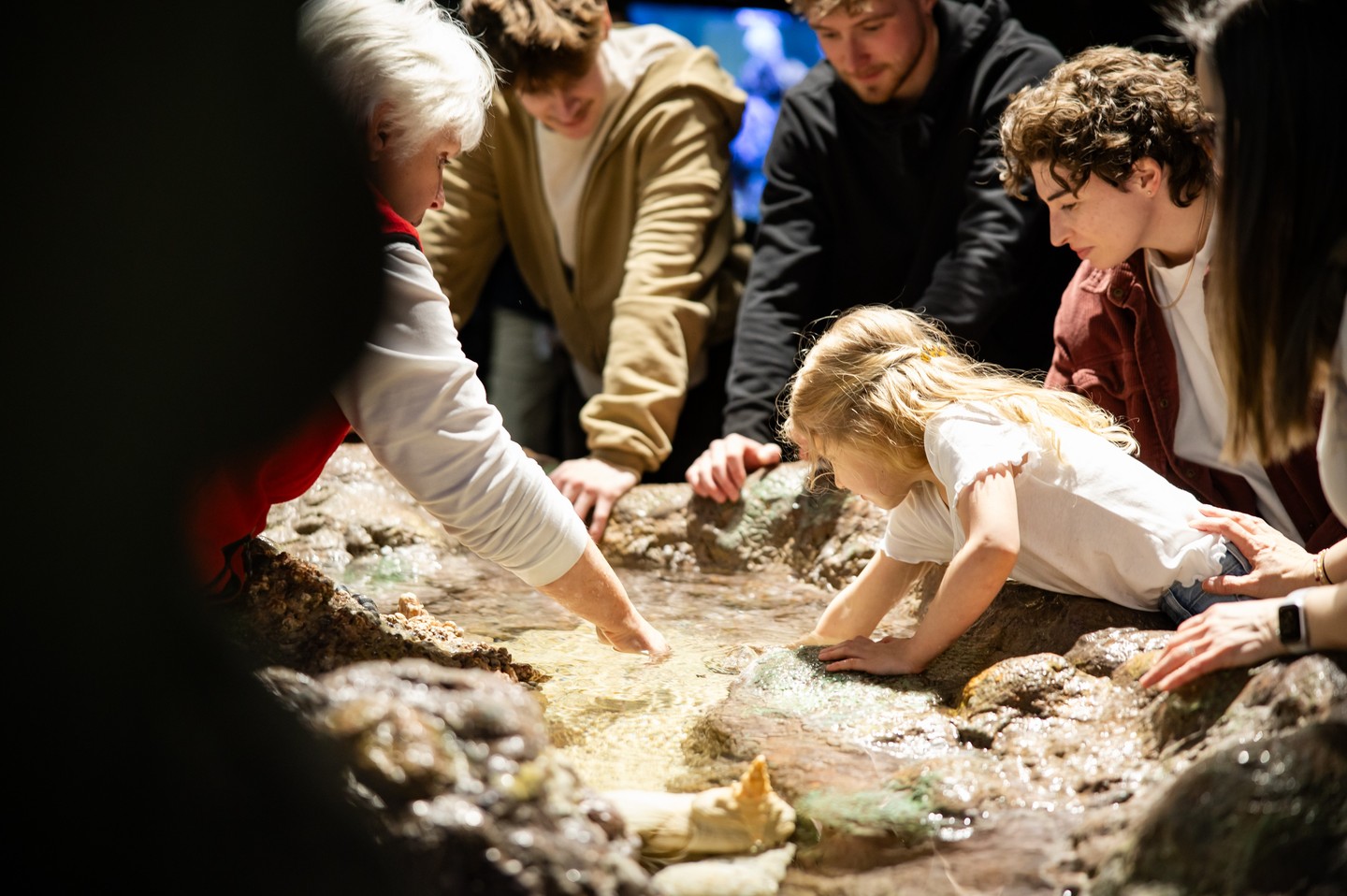
Education at zoos and aquariums is diverse. Many institutions conduct programs aimed at various age groups. These educational initiatives often include guided tours, interactive exhibits, and workshops. For instance, children can engage in animal encounters, during which they learn about different species, their habitats, and their roles in the ecosystem. This hands-on approach is not just entertaining; it facilitates a deeper understanding of marine and terrestrial life.
In addition to providing educational resources, zoos and aquariums actively engage in conservation initiatives. Many species housed in these facilities are endangered or threatened, and the work done in these environments often extends beyond their gates. Institutions collaborate with wildlife organizations globally to ensure the sustainable future of various species. By participating in breeding programs, zoos can help increase the population of endangered animals and educate the public about the importance of conservation efforts.
Community involvement is another cornerstone of zoos and aquariums. These institutions often host special events, conservation workshops, and community outreach programs. Families bond over these shared experiences, and local communities often come together for fundraising or awareness campaigns. This engagement not only strengthens community ties but also fosters a collaborative spirit focused on wildlife conservation.
Moreover, zoos and aquariums play an essential part in scientific research. They are unique environments where researchers study animal behavior, reproduction, and health. The data collected contributes to broader wildlife studies and informs conservation strategies in natural habitats. For example, understanding the social dynamics of elephants can help conservationists implement better protective measures in the wild. These research initiatives also allow for veterinary services to be provided, improving the health and longevity of many at-risk species.
Despite the successes, zoos and aquariums face challenges, particularly regarding funding and public perception. Some people question the ethics of keeping animals in captivity. However, reputable institutions prioritize animal welfare, implementing sophisticated care routines and environmental enrichment to ensure that animals lead fulfilling lives. Preservation of genetics, education, and conservation awareness are key components of their missions.
During National Zoo and Aquarium Month, visitors can actively participate in supporting these institutions. Spending a day at your local zoo or aquarium helps generate vital revenue that funds animal care, educational programs, and conservation projects. Many facilities also offer membership programs, which provide enhanced access while contributing to the sustainability of their conservation efforts.
Advocacy plays a critical role in the success of these facilities as well. Many zoos and aquariums are engaged in lobbying for better wildlife protection laws and funding for conservation initiatives. Individuals can get involved by advocating for responsible wildlife policies or participating in volunteer opportunities at their local institutions.
While the primary focus remains on animal care and conservation, the global challenges of climate change and habitat destruction necessitate a collaborative approach to wildlife protection. Zoos and aquariums are positioned uniquely to lead in these areas, raising awareness and educating future generations on the intertwined fates of wildlife and human society.
Additionally, science and technology increasingly play roles in wildlife conservation. Zoos and aquariums utilize innovative methods to monitor the health of species. For instance, advanced imaging technology can assess the mental and physical health of marine mammals. Genetic studies can reveal insights into the population structure of endangered species, informing conservation strategies in natural habitats.
Through National Zoo and Aquarium Month, lessons learned extend into our daily lives. Awareness of the plight of endangered species can inspire passions around conservation. Engaging discussions about biodiversity and environmental stewardship in households will promote compassionate behaviors toward wildlife and habitats.
Supporting zoos and aquariums ultimately reflects a broader commitment to environmental responsibility. Encouraging children to utilize their voices for conservation can lead to impactful changes over generations. Promoting visits, supporting advocacy, and engaging in educational programs imbue future leaders with the knowledge necessary to champion wildlife conservation.
In summary, National Zoo and Aquarium Month highlights the critical roles these institutions play in wildlife education and conservation, community engagement, and scientific research. They are not mere repositories of animals; they are places where knowledge, compassion, and active engagement flourish. Each visit provides an opportunity to learn and advocate for the animals with whom we share the planet.
Through awareness and action, the message becomes clear: protecting wildlife is a shared responsibility, and supporting zoos and aquariums is a valuable step toward achieving that goal. By participating in National Zoo and Aquarium Month, individuals can join a global community dedicated to preserving the wonders of life on Earth.
*****
Source Description
June is National Zoo and Aquarium Month! 🐠🐆
From sparking curiosity in young minds to inspiring lifelong compassion for animals, zoos and aquariums are powerful places of learning, empathy, and connection. Every visit is a chance to discover the wonders of wildlife, to feel awe, and to understand our role in protecting the planet we share.
These spaces don’t just teach us about animals—they bring us together. Families bond over elephant sightings, communities unite for conservation events, and children first learn about the animals that make up our world.
Behind every animal is a story of hope, resilience, and the tireless work of those who care for our world’s most vulnerable species. Columbus community and beyond, thank you for your continuous support of our Zoo and Aquarium 💚
