
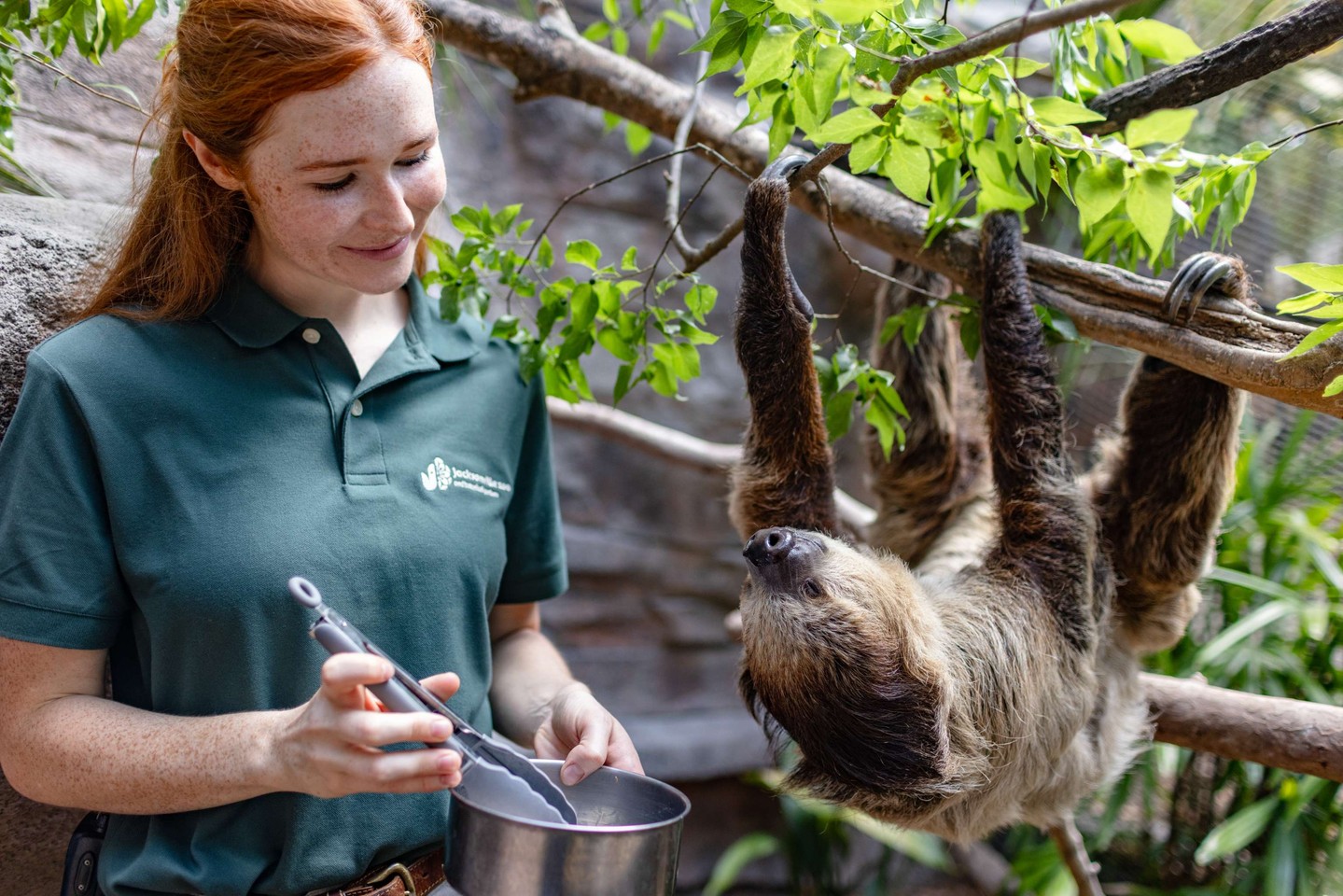
- June is National Zoo Month, highlighting the importance of zoos in wildlife conservation.
- Not all zoos operate under the same ethics and standards; the role of accreditation is critical.
- The mission of accredited zoos encompasses animal care, education, and conservation efforts.
- Zoos function as nonprofit organizations, directing funding back into vital wildlife initiatives.
- Community engagement and support are essential for advancing zoo missions and conservation goals.
June marks National Zoo Month, a time to underscore the significant role of zoos in wildlife conservation and education. While some individuals may have reservations about zoos due to varying practices and ethical concerns, many accredited zoos prioritize animal well-being, education, and conservation. This month serves as a reminder that these institutions can play a vital role in global efforts to protect endangered species and their habitats.
Not every animal facility operates under the same principles. It’s crucial to differentiate between accredited zoos, like the Jacksonville Zoo and Botanical Gardens, and those that do not meet high standards for animal care and welfare. Accredited institutions undergo rigorous evaluations by the Association of Zoos and Aquariums (AZA), an organization that sets the gold standard in the zoo community. Less than 10% of animal facilities achieve this accreditation due to the strict requirements tied to animal care, staff training, and conservation efforts. Understanding the differences between accredited and non-accredited zoos can help clarify the critical role that well-managed zoos play in wildlife education and conservation efforts.
One of the core missions of accredited zoos is providing expert care to the animals they house. Each zoo employs specialized teams dedicated to the health and well-being of its animals. This includes regular veterinary check-ups, nutritional guidance specific to the species, and behavioral enrichment activities that mimic natural habitats. Proper animal care also entails breeding programs for endangered species, which can help bolster dwindling populations in the wild. For instance, initiatives to breed the Californian condor or the black-footed ferret have made headway due to the efforts of accredited zoos.
Education is another cornerstone of accredited zoos. Facilities like the Jacksonville Zoo aim to inspire curiosity and connect the public with wildlife through hands-on learning experiences. Educational programs often target various age groups, incorporating innovative methods like interactive exhibits and engaging workshops. By enlightening visitors about animal behavior, ecosystems, and conservation challenges, zoos play a crucial role in fostering an informed community. The more individuals learn about the intricacies of wildlife and conservation, the more likely they are to advocate for these causes.
In addition to education, zoos are heavily involved in conservation projects, both locally and globally. Many accredited facilities participate in field research and conservation initiatives that work directly with endangered species in their natural habitats. For example, the Jacksonville Zoo collaborates with global organizations to fund and execute projects that protect wildlife and their ecosystems. These efforts include habitat restoration, anti-poaching campaigns, and food supply management, all essential for maintaining biodiversity.
Zoos face an ongoing challenge: funding. As nonprofit organizations, they rely on visitor admissions, donations, and grants to support their mission. Every ticket sold and every dollar donated goes directly back into the operational costs associated with animal care and conservation. This funding is crucial for sustaining the programs that benefit not just the animals in captivity, but also those living in their natural environments. Without public support, zoos might struggle to continue these essential initiatives.
Community engagement plays a pivotal role in the success of accredited zoos. Public perception can significantly shape the policies and practices of these institutions. When visitors and supporters advocate for ethical treatment of animals and responsible conservation efforts, it sends a clear message that the community values these ideals. Many zoos actively seek to foster strong relationships with their communities, through outreach programs, partnerships with schools, and local conservation events. This collaboration is essential for building a society that prioritizes wildlife conservation.
Furthermore, the role of zoos is evolving in response to contemporary environmental challenges. Climate change and habitat destruction present significant threats to many species. Accredited zoos are now more than just places for public enjoyment; they are becoming critical players in global conservation strategies. Institutions are adopting more sustainable practices, such as reducing waste, implementing solar energy solutions, and using eco-friendly materials in their facilities. These initiatives reflect a shift toward more responsible and environmentally conscious operations.
As we celebrate National Zoo Month, it’s essential to recognize the transformative role these institutions can have in wildlife conservation. They serve not only as educational centers but also as advocates for the protection of endangered species and their habitats. By engaging with accredited zoos, the public can support essential work that extends far beyond a simple visit. This ongoing support fosters a culture of respect and advocacy for wildlife, encouraging future generations to contribute positively to the environment.
Zoos also provide research opportunities, contributing valuable data that help scientists understand animal health and behavior. Collaborative efforts with universities and research institutions aim to solve pressing conservation issues. The data obtained from zoo studies can inform wildlife management practices and improve animal care standards in both captive and wild populations.
Safety and ethical considerations are paramount in any accredited zoo. The AZA focuses on promoting practices that prioritize animal welfare. This includes strict adherence to codes of conduct, ongoing training for staff, and transparent reporting practices. The public deserves the peace of mind that accredited zoos maintain high ethical standards and are dedicated to the well-being of their animals.
Public engagement in conservation initiatives goes beyond a single visit. Many accredited zoos offer membership options, effecting a deeper sense of commitment to wildlife conservation. Membership not only grants access to the zoo but also enables supporters to participate in special events, educational programs, and volunteer opportunities. This investment fosters a meaningful connection between the community and the natural world while enhancing public understanding of the challenges facing wildlife.
Ultimately, the vision for the future of zoos is one of collaboration. Partnerships with conservation organizations, academic institutions, and local communities can amplify the impact of their efforts. Engaging in global wildlife initiatives creates a network of support that can address complex conservation challenges.
National Zoo Month is an excellent opportunity to reflect on the importance of these institutions. Recognizing the mission of accredited zoos encourages a collective effort toward improving animal welfare, preserving fragile ecosystems, and educating the public about critical environmental issues.
Participating in National Zoo Month activities allows individuals to celebrate not only the rich biodiversity our planet offers but also the collective responsibility to safeguard it. Each visit, donation, and act of advocacy can shape the future for wildlife in ways that benefit both animals and humans alike.
By supporting zoos like the Jacksonville Zoo and Botanical Gardens, the public becomes part of a broader narrative that seeks positive change in wildlife conservation. Knowledge, compassion, and community engagement lay the foundation for a sustainable future for all species cohabiting the planet. Every small action contributes to monumental gains.
*****
Source Description
June is National Zoo Month — and it’s time to talk about it.
We know not everyone views zoos the same way. And for good reason. Not all animal facilities operate with the same values, standards or transparency. But zoos like Jacksonville Zoo and Botanical Gardens exist for more than just a visit. We exist for a mission.
We’re proud to be accredited by the Association of Zoos and Aquariums (AZA), the gold standard in animal care, conservation and education. Fewer than 10% of animal facilities meet the rigorous standards required for this accreditation.
And as a nonprofit organization, every dollar you spend here goes directly back into our ongoing work:
🐘 We support critical wildlife conservation locally and globally.
🎓 We provide hands-on education that inspires curiosity and action.
💚 We deliver expert care through specialized teams focused on animal health and well-being.
This month, help us change the narrative. Thank you for supporting your local zoo and the work that goes far beyond our gates.
