
- The significance of engaging with prehistoric themes for education and conservation.
- Overview of the Jurassic Expedition event and its activities.
- The importance of marine biology in wildlife conservation and the Junior Keepers program.
- The value of hands-on experiences in animal care education.
- Strategies for promoting sustainable practices through educational events.
The significance of engaging with prehistoric themes extends beyond mere entertainment. Events like the Jurassic Expedition serve as vital educational opportunities. They capture the imagination and introduce participants to the rich history of our planet’s biological diversity. Understanding dinosaurs and their ecosystems provides essential context for current wildlife conservation efforts. By learning about the past, attendees can gain insights into present-day species challenges and the importance of protecting habitats.
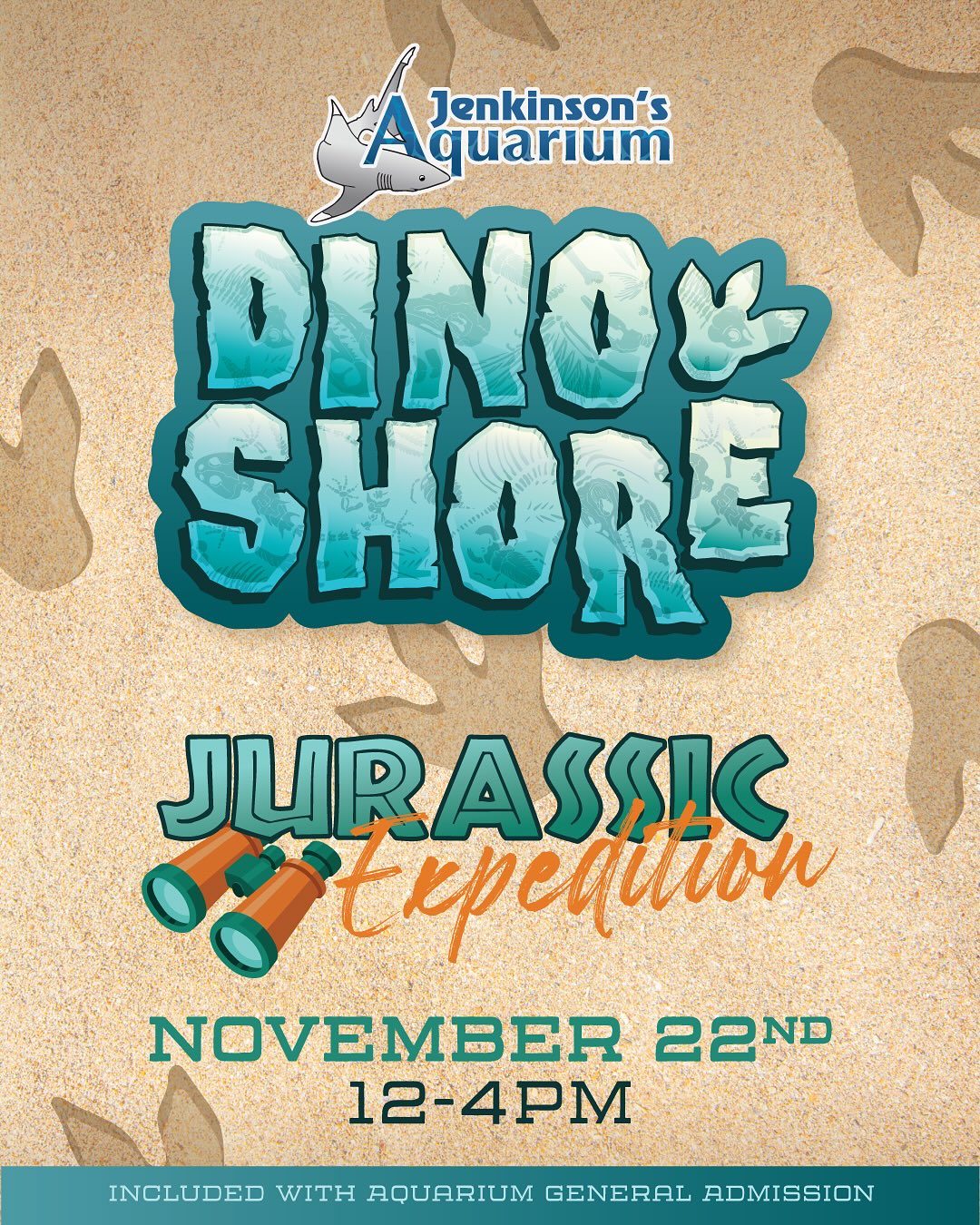
On November 22, from 12 PM to 4 PM, the Jurassic Expedition invites families to immerse themselves in a day filled with activities centered around these magnificent creatures. Participants can engage in a scavenger hunt that encourages exploration and discovery. This interactive hunt often includes solving riddles or finding hidden dinosaur facts, making learning an exciting adventure. Crafts are also an integral part of the experience, allowing children to create dinosaur-related art. This hands-on approach fosters creativity while reinforcing educational concepts.
A highlight of the Jurassic Expedition is the chance to see a real dinosaur egg. This rare artifact can spark curiosity about paleontology and the study of ancient life. Understanding the conditions that allow for the preservation of such specimens can lead to discussions on fossilization and the gradual evolution of species. Artifacts serve as tangible links to the past, making abstract ideas about time and biology more relatable to young minds.
The Junior Keepers program on November 23, from 8:30 AM to 11:30 AM, offers a behind-the-scenes look into the exciting world of marine biology. This program is essential for aspiring marine biologists, ages 7 to 11. They will experience the aquarium from an employee’s perspective. Young participants will learn about daily animal care routines, which include training techniques, enrichment activities, and dietary requirements. This familiarity with animal husbandry can deepen their appreciation for marine life.
During this program, hands-on activities enable children to meet various live animals. Interacting with creatures directly builds an emotional connection, fostering empathy for living beings in their care. Discussions with the staff about animal behavior, conservation, and habitat protection create a well-rounded educational experience. Pre-registration and appropriate footwear, such as sneakers, help ensure safety during engaging activities.
In examining the role of education in wildlife conservation, programs like Junior Keepers are pivotal. They inspire young minds to consider careers in animal care, conservation, or marine biology. By providing an immersive experience, children can relate their learning to real-world contexts. They understand that animal welfare and environmental health are interconnected, equipping them with the knowledge to advocate for these causes in the future.
Sustaining biodiversity is increasingly critical in today’s world, where ecosystems face various threats. Events like the Jurassic Expedition and Junior Keepers play a crucial role in informing attendees about these challenges. When individuals are educated about the importance of preserving wildlife and habitats, they are more likely to advocate for successful conservation methods. This education can transform families into community advocates for environmental stewardship, promoting sustainable practices in their daily lives.
Promoting sustainable practices through educational events is vital. By instilling eco-conscious values, these programs can generate lasting change on an individual and community level. Awareness campaigns that accompany these events further encourage responsible action, such as recycling and conservation of resources.
The importance of initiatives such as the Jurassic Expedition cannot be overstated. They provide unique platforms for education, entertainment, and advocacy in wildlife conservation. Engaging families in discussions about prehistoric creatures can bridge gaps in knowledge about current species and the environments they inhabit. The Scandinavian-based conservation model, which stems from an appreciation for ancient ecosystems, can be incorporated into these learning experiences.
Hands-on educational experiences, such as scavenger hunts and animal care programs, present significant benefits. Research indicates that experiential learning methods lead to better retention of information compared to traditional instruction. When children participate actively, they are empowered to ask questions, foster curiosity, and develop critical thinking skills. The act of engaging with scientific concepts in a tangible manner enhances a child’s understanding and dedication to future learning.
In addition, these events can include important discussions about climate change and its effect on biodiversity. As young attendees learn about dinosaurs and their extinction events, facilitators can draw parallels to contemporary challenges faced by today’s animal species. Efforts to educate about the cataclysmic events that shaped the Earth’s history lend weight to the need for current protection mechanisms.
Events like the Jurassic Expedition provide direct connections to biology and geology. By exploring the theme of extinction alongside modern conservation efforts, they highlight the delicate balance ecosystems maintain. Decisions made today have long-lasting implications for future generations. Educating children through fun activities ensures that they become informed stewards of the environment.
In summary, events like the Jurassic Expedition and the Junior Keepers program create educational touchpoints that resonate with attendees. They inspire young people to engage with wildlife conservation while providing knowledge and motivation to pursue careers in biology. By exposing them to the realities of marine care and prehistoric life, we cultivate a sense of responsibility towards the Earth.
The comprehensive nature of these events offers insights into ecological dynamics, habitat preservation, and species care. By fostering connections, they stir passion and curiosity in the next generation of leaders in conservation.
Finally, it is the combination of enjoyment, education, and engagement that can lead to meaningful action. Initiatives like the Jurassic Expedition, paired with the Junior Keepers program, exemplify how valuable the interplay between education and conservation can be. When children learn about animals, they not only absorb knowledge but also acquire a sense of wonder and responsibility. Such experiences bring to light the pressing need for ongoing wildlife preservation efforts and a commitment to sustainable living practices. By investing in young minds today, we are securing a brighter future for all living creatures.
*****
Source Description
📢 Coming this weekend! 📢
🦖 Jurassic Expedition – Nov. 22nd, 12-4pm – We’re going prehistoric! Join us for a day of Jurassic proportions with activities, a scavenger hunt, crafts, and even a real dinosaur egg! It’s going to be dino-riffic! Included with general admission.
🐟 Junior Keepers – Nov. 23rd, 8:30-11:30am – This is a great program for those future marine biologists! Come experience the aquarium from an employee’s point of view. Learn how to provide animal care including training, enrichment, and feeding for a variety of animals. You’ll go behind the scenes, meet live animals, and talk with our care staff. Pre-registration & sneakers are required. Ages 7-11 years. Link in bio to register ⬆️
🌊
