
- The multifaceted responsibilities of a zookeeper
- The vital role of zookeepers in animal health and welfare
- Conservation efforts and their impact on wildlife preservation
- The educational role of zoos and zookeepers
- Skills and qualifications required to thrive as a zookeeper
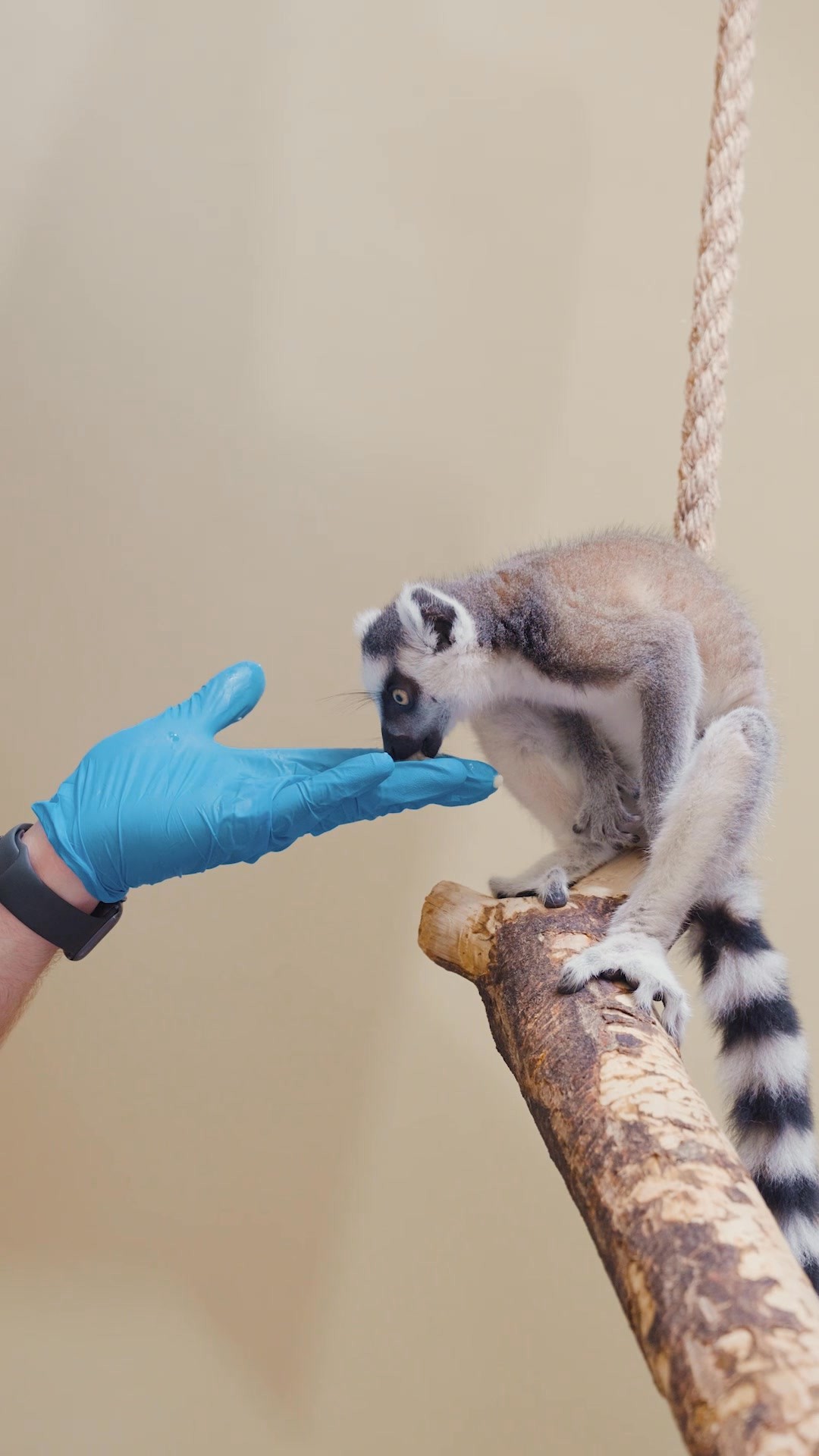
Being a zookeeper is widely perceived as a job defined by fun interactions with animals. However, it encompasses far more extensive and complex responsibilities that involve animal care, health management, conservation, and education. This article explores how Keeper Cole is showing us that the role of a zookeeper stretches far beyond the enjoyable moments of playing with animals.
The multifaceted responsibilities of a zookeeper extend into a vast array of daily tasks. Zookeepers conduct routine inspections of animal enclosures, monitoring for any signs of distress or illness. This is crucial for early detection of health issues. They prepare diets tailored to the specific nutritional needs of each species, ensuring optimal health and conditions. This preparation often includes understanding the dietary preferences and digestive requirements of the various animals they care for, which varies significantly between species.
Moreover, zookeepers are responsible for maintaining clean and safe habitats. This part of their job involves cleaning enclosures, providing enrichment, and ensuring that safety measures are in place for both animals and visitors. These maintenance tasks require not just physical strength but also a keen understanding of animal behavior to anticipate their needs and reactions. Through engaging with their environment, animals can exhibit more natural behaviors, which benefits their mental and emotional well-being.
The role of a zookeeper in animal health and welfare cannot be overstated. Zookeepers often collaborate with veterinarians to coordinate comprehensive health assessments and vaccinations. An essential aspect of this collaboration includes recognizing behavioral signs that may indicate health issues. For instance, a change in feeding habits or social interaction could signal stress or illness. Zookeepers not only observe but also document these changes meticulously. This documentation aids veterinary staff in diagnoses and treatment plans. Zookeeper care gives animals a high quality of life, which is vital given the increasing pressures on wildlife in their natural habitats.
Conservation represents another critical aspect of a zookeeper’s role. Zoos often participate in global conservation efforts aimed at protecting endangered species. Zookeepers contribute to conservation programs by breeding endangered animals, maintaining genetic diversity, and fostering awareness about declining wildlife populations. Many zoos collaborate with international conservation organizations, providing resources and expertise to protect habitats and species in the wild. Such initiatives emphasize the importance of habitat preservation. The decline in biodiversity observes stark consequences for ecosystems, making the zookeeper’s work in conservation invaluable.
Educational outreach forms a core function of modern zoos. Zookeepers play vital roles in public education about wildlife conservation, biodiversity, and habitat preservation. They lead tours, facilitate workshops, and participate in community outreach programs to foster a deeper understanding of wildlife and environmental stewardship. Their ability to communicate complex information in an accessible manner enhances visitors’ experiences, inspiring a new generation of conservation advocates.
To succeed in this demanding career, aspiring zookeepers must possess a diverse skill set. A background in zoology or animal science is often essential, but practical experience with animals is equally important. Many zoos offer internship programs that allow students to gain hands-on experience while working alongside seasoned professionals. Strong communication skills are also vital; whether interacting with the public or collaborating with a team of vets and other staff, clear communication enhances operational efficiency.
Additionally, physical fitness plays a significant role in a zookeeper’s day-to-day activities. The job requires lifting heavy equipment, cleaning enclosures, and staying on foot throughout long shifts. Attention to detail is crucial, as ensuring animal health involves consistently monitoring behaviors and environments. Zookeepers also need to operate various tools and technology, from food preparation equipment to database management software for tracking animal health records.
In summary, Keeper Cole exemplifies the diverse responsibilities of zookeepers, emphasizing that the role is significantly more complex than merely playing with animals. Zookeepers provide essential care, protect endangered species, engage in conservation efforts, and serve as educators and advocates for wildlife. Their work reflects a commitment not just to animals but to the overarching health of ecosystems. The position requires a blend of education, practical experience, and a passion for wildlife conservation, making it a profoundly impactful career path. The dedication displayed by zookeepers like Keeper Cole highlights the importance of hands-on care in preserving our planet’s rich biodiversity.
*****
Source Description
Keeper Cole is showing us how being a zookeeper is way more than just playing with animals all day! 🐒🧼
