
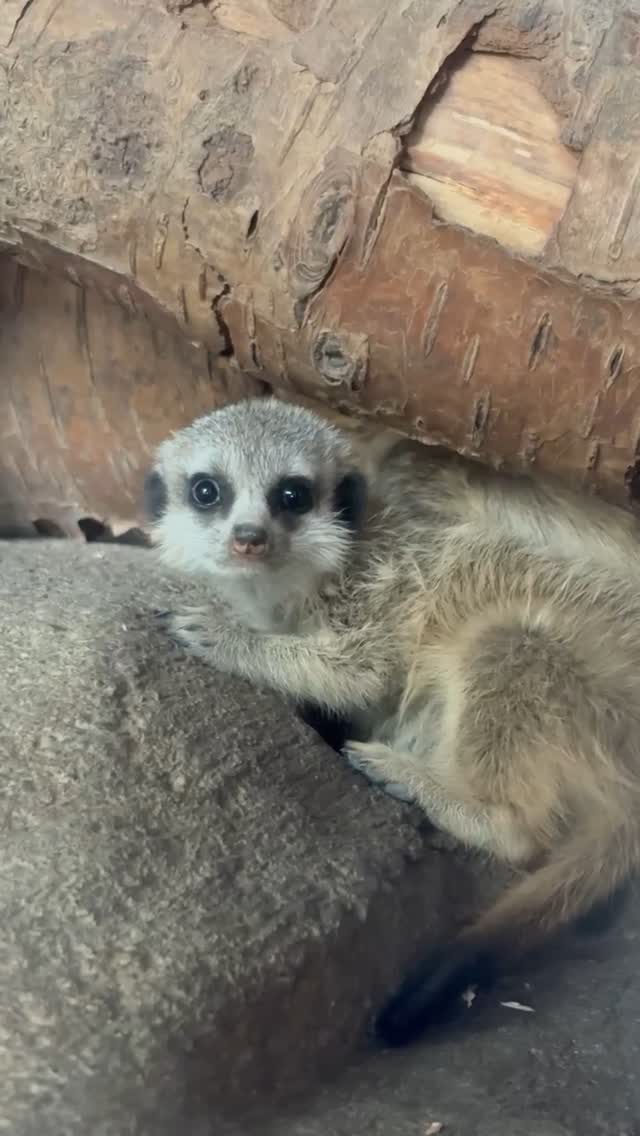
- Overview of meerkat social structure and behavior, highlighting the dynamics within a mob.
- Introduction to Keeya and Chaka’s new offspring, emphasizing their characteristics and naming theme.
- Insights into zoo management practices, emphasizing the roles of conservation and education.
- Discussion on wildlife conservation efforts, focusing on breeding programs and their impact.
- The significance of public engagement and education in fostering awareness and appreciation for meerkats and other species.
Meerkats, (Suricata suricatta), are small mammals known for their curious nature and intricate social networks. Native to the Kalahari Desert and other parts of Southern Africa, they live in groups called mobs or clans. These mobs are complex systems structured around cooperation and mutual survival. A typical meerkat group is led by a dominant pair, usually a male and female, who take charge of breeding tasks while others assist in nurturing and protecting the young.
The dominant female, in particular, is crucial as she controls breeding activities within the group. Only she, and sometimes a select few others, will birth pups, ensuring the mob’s resources aren’t overextended. In the world of meerkats, cooperation is key. Sentinels stand guard against predators, and babysitters care for the young while others forage. This communal lifestyle exemplifies survival through cooperation, a testament to the adaptability of meerkats in the harsh desert environment.
The arrival of Keeya and Chaka’s meerkat kits—named Storm, Squall, Gust, and Gale—has captured the attention of many. These names artfully reflect their energetic personalities. Observing these lively kits offers a glimpse into the early life stages of meerkats. From their initial dependence on their mother for warmth and nourishment, they gradually embark on explorations of their surroundings. As they mature, they will begin to participate in the mob’s activities, learning vital survival skills from older members.
Choosing names like Storm, Squall, Gust, and Gale underscores their dynamic nature, hinting at their future roles within the group. As they grow, these kits will develop into integral members of their community, contributing to the social fabric of the mob and showcasing the robust adaptive strategies inherent to meerkats.
Zoo management plays a vital role in facilitating an environment for these animals that mimics their natural habitats as closely as possible. Zoo staff must understand the complex needs of meerkats, ensuring they receive adequate social structures, space, and stimulation. Regular health checks, environmental enrichment activities, and carefully structured diets contribute to their well-being. The insights gained from these practices extend to broader conservation efforts, aiding in the protection and survival of species in the wild.
Wildlife conservation efforts within zoological setups often focus on research and breeding programs. These projects aim to bolster populations of vulnerable or endangered species. Breeding programs are meticulously designed to maintain genetic diversity and healthy lineages. For instance, the European Endangered Species Program (EEP) manages breeding across institutions to optimize genetic stocks and ensure the long-term viability of animal populations.
Through detailed record-keeping and collaboration among zoos worldwide, these breeding initiatives contribute significantly to species preservation. In the case of meerkats, while they are not currently endangered, the challenge lies in ensuring that global populations remain stable against potential threats such as habitat loss and climate change.
Public engagement and education are also essential in wildlife conservation. By exposing audiences to meerkats and their charming behavior, zoos foster a deeper understanding and appreciation of the delicate balance within ecosystems. Conservation Engagement Managers, like Wendy, play a crucial role in building connections between the public and the animals. Their efforts to educate audiences about these charismatic creatures and promote awareness of conservation issues are invaluable.
Educational programs and social media platforms present dynamic opportunities to bring the stories of animals like Storm, Squall, Gust, and Gale to life. They reveal the interconnectedness of all species and the necessity of conservation efforts. Engaging storytelling and informative content not only captivate audiences but inspire active involvement in conservation initiatives.
Examining meerkat behavior and the dedication of zoo staff in caring for these animals highlights the intricate relationship between humans and wildlife. Through meticulous research, breeding programs, and public education, the story of Keeya and Chaka’s meerkat kits serves as both a scientific and a social narrative. It underscores the collaborative efforts needed to conserve and cherish our planet’s biodiversity. As Storm, Squall, Gust, and Gale grow, they symbolize the robust future of their species and the potential for humanity to steward the natural world with care and responsibility.
*****
Source Description
Keeya and Chaka’s one-month-old meerkat kits have officially been named, and the names couldn’t be more fitting for these rascally little whirlwinds: meet Storm, Squall, Gust, and Gale!
📹: Conservation Engagement Manager Wendy
