
- Overview of Kemp’s Ridley Sea Turtles
- Conservation Status and Threats
- Habitat and Behavior
- Conservation Efforts and Initiatives
- How You Can Help and Get Involved
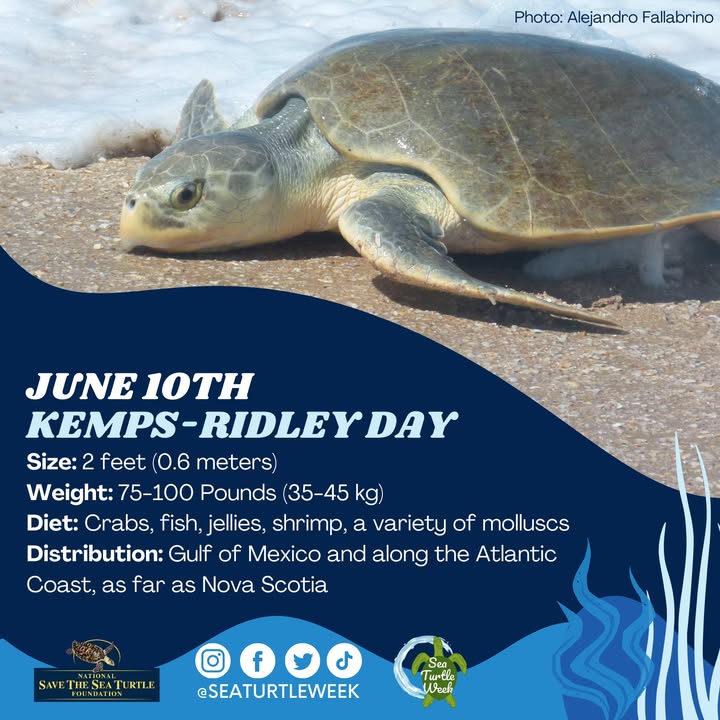
Kemp’s ridley sea turtles (Lepidochelys kempii) represent one of the most endangered species of sea turtles in the world. Celebrated on June 10, Kemp’s Ridley Day serves to raise awareness about their conservation status and the urgent need for protection. This species is recognized for its unique nesting behavior, primarily nesting in aggregate on specific beaches in Mexico. Understanding the complexities of their biology, threats they face, and the ongoing conservation efforts is crucial for safeguarding their future.
Kemp’s ridley turtles are relatively small compared to other sea turtle species, typically reaching maturity at a carapace length of around 24 to 28 inches and weighing between 80 to 100 pounds. Their distinctive olive-green shell and heart-shaped appearance set them apart from other sea turtles. They predominantly inhabit the Gulf of Mexico and the Atlantic Ocean, often found in shallow coastal waters, estuaries, and bays. Their diets consist chiefly of crustaceans, particularly blue crabs, but they also consume jellyfish and other marine organisms.
Conservation Status and Threats
The IUCN Red List classifies the Kemp’s ridley sea turtle as critically endangered. Historical population estimates show that in the 1940s, there were approximately 100,000 nests reported on nesting beaches in Mexico. However, due to numerous threats, including habitat loss, poaching, entanglement in fishing gear, and pollution, this number dramatically declined. By the 1980s, the annual nesting count had dwindled to fewer than 700 nests. Today, conservationists estimate there are about 16,000 to 22,000 nesting females, indicating a slight recovery due to concerted conservation efforts.
One of the primary threats to the species is incidental capture, often referred to as bycatch, in commercial fishing gear. Many Kemp’s ridley turtles are unintentionally caught in shrimp trawl nets and gillnets. The turtles can become trapped, leading to injury or death. To mitigate this issue, the use of turtle excluder devices (TEDs) in shrimp trawl nets is crucial. These devices allow turtles to escape while retaining the catch of shrimp.
Coastal habitat degradation is another significant threat. Urban development, pollution, and climate change have led to the loss of critical nesting sites. Rising temperatures and sea levels pose additional challenges for their nesting colonies. Higher sand temperatures can skew the sex ratio of hatchlings, as warmer sands produce more females. This shift can have long-term implications for the population dynamics of the species.
Habitat and Behavior
Kemp’s ridley sea turtles exhibit unique nesting behaviors known as "arribada," where large numbers of females come ashore to lay eggs simultaneously. This phenomenon typically occurs in June, primarily at Rancho Nuevo on the Gulf Coast of Mexico. Females can lay anywhere from one to three clutches of eggs per nesting season, with an average of 100 eggs per clutch. After about 50 to 60 days of incubation, the hatchlings emerge and make their perilous journey to the ocean, facing numerous natural predators, including birds, crabs, and fish.
Throughout their lives, Kemp’s ridley turtles follow a migratory pattern, often traveling significant distances between foraging and nesting sites. Post-hatchlings spend the first few years in the open ocean, utilizing floating sargassum algae for shelter and food. As they mature, they migrate closer to the coastlines, where they become more reliant on specific habitats for feeding and nesting.
Their foraging behavior is primarily benthic, meaning they forage along the seafloor. They are known to use their flippers to overturn rocks and debris to access their food supplies. These feeding habits not only impact their health but also play a role in the marine ecosystem by influencing the populations of their prey species.
Conservation Efforts and Initiatives
Conservation organizations, governments, and local communities have taken significant actions to protect Kemp’s ridley sea turtles and their habitats. International collaboration is vital, as these turtles traverse international waters during their migratory patterns. Habitat protection, public awareness campaigns, and research initiatives are all essential components of successful conservation strategies.
One landmark initiative is the implementation of the National Oceanic and Atmospheric Administration’s (NOAA) recovery plan for Kemp’s ridley turtles. This plan outlines specific actions to protect the species, including monitoring nesting populations, enforcing fishing regulations, and establishing protected marine areas. The use of TEDs has become mandatory in many regions to reduce accidental captures in shrimping operations.
Monitoring nesting populations through annual surveys has significantly informed recovery efforts. Organizations collaborate with local communities in Mexico to promote responsible tourism and conservation practices. Education programs emphasize the importance of protecting nesting sites and reducing human impact on turtle habitats.
In addition to governmental efforts, non-profit organizations play a crucial role. These organizations often engage in beach clean-ups, community outreach, and rescue operations for injured turtles. Programs linked to captive breeding and rehabilitation also exist, providing hope for those turtles in dire conditions due to human interactions or environmental factors.
How You Can Help and Get Involved
Engagement from the public is vital in the ongoing fight to protect Kemp’s ridley sea turtles. There are several ways individuals can contribute to conservation efforts. Supporting organizations dedicated to sea turtle conservation through donations, volunteering time, or spreading awareness can significantly impact local and global initiatives.
Participating in beach clean-ups helps remove trash and debris that could harm marine wildlife. Reducing plastic use and responsibly disposing of waste are also important personal actions that can alleviate pollution burdening ocean ecosystems. Advocating for the protection of coastal habitats and supporting policies that address climate change directly contributes to creating safer environments for these vulnerable species.
Moreover, educating yourself and others about the challenges and conservation strategies related to Kemp’s ridley sea turtles fosters a community effort towards preservation. Engaging in local marine science programs or visiting aquariums can enhance understanding and appreciation for these remarkable creatures.
As each June 10 arrives, Kemp’s Ridley Day serves as a reminder of the efforts needed to protect this iconic species. Awareness, education, and active participation are crucial in ensuring that these turtles continue to thrive in our oceans. By committing to conservation efforts, we can create a sustainable path forward for Kemp’s ridley sea turtles and many other endangered species that inhabit our planet.
*****
Source Description
🌊🐢 June 10 is Kemp’s ridley day! They are one of the most endangered sea turtle species. Learn about these turtles at our Kemp’s ridley blog post: https://www.ncaquariums.com/pks-newsroom/posts/kemps-ridley-sea-turtle
