
- Kinkajous: Taxonomy and Biological Characteristics
- Behavior and Habitat
- Conservation Status and Issues
- Introduction of Maya and Fuego at Zoo Atlanta
- Importance of Zoo Management and Wildlife Conservation
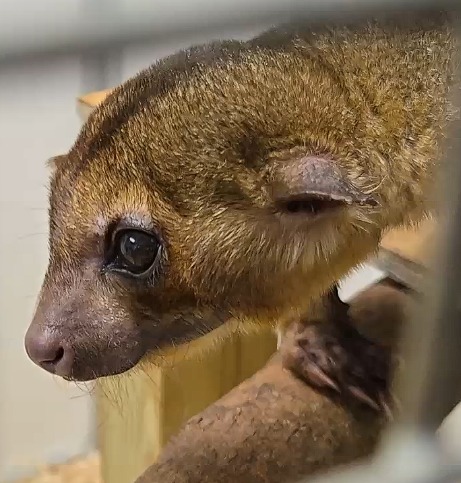
Kinkajous, classified under the family Procyonidae, are medium-sized mammals native to South America, primarily found in tropical forests. They belong to the same family as raccoons, showcasing similarities in physiology and behavior. Kinkajous have a distinctive, elongated body, large eyes, and a prehensile tail, allowing them to expertly navigate the arboreal habitats they inhabit. Adult kinkajous typically weigh between 5 to 10 pounds, with a length spanning 16 to 24 inches, excluding their tails, which can add another 16 to 24 inches to their total length.
The taxonomic classification of kinkajous places them within the order Carnivora. Although their diet consists mainly of fruit, they are classified as carnivores due to their evolutionary lineage. Their dental structure reflects this, featuring sharp premolars adaptable for piercing soft fruit and grasping insects. Kinkajous also have a keen sense of smell, facilitating fruit detection in dense foliage.
Beyond their physical traits, kinkajous exhibit unique behavioral patterns. They are predominantly nocturnal and spend the majority of their lives in trees. Their strong hind limbs and flexible joints enable them to leap between branches and climb with agility. Kinkajous are social animals, often living in family groups or pairs, which may consist of mothers and offspring or siblings. Their vocalizations range from barks to whistles, facilitating communication among members of a group.
Kinkajous primarily dwell in humid tropical forests, including the Amazon Basin and Central America. They thrive in densely vegetated areas that provide ample food sources, offering a diverse range of fruits, nectar, and small insects. As fruit eaters, kinkajous play a crucial role in seed dispersal, aiding in forest regeneration and sustainability. By consuming various fruits and excreting the seeds in different locations, they contribute to maintaining the health of their ecosystems.
Despite their ecological importance, kinkajous face numerous threats. Habitat loss due to deforestation and agricultural expansion poses significant risks to their populations. The illegal pet trade also endangers these animals, as they are sought after for their appealing appearance and playful nature. Conservation efforts are imperative to safeguard the habitats where kinkajous thrive and to curb illegal trafficking. Education and awareness are vital to fostering community involvement in protecting these animals and their ecosystems.
Recently, Zoo Atlanta welcomed Fuego, a young kinkajou, as a companion for the long-time resident kinkajou, Maya. The introduction of these two animals is significant for several reasons. Initially, discussions with the zoo from which Fuego came revealed that Maya and Fuego are actually siblings. This connection adds an intriguing dynamic to their anticipated interactions. Familiarity often aids in easing the integration process, as sibling bonds typically promote comfort and social cohesion.
Maya has been living at the Wieland Wildlife Home for several years. Her experiences in a zoo environment have likely prepared her for a new companion. Establishing a compatible pair can enhance their well-being and provide enriching social interaction. The anticipation surrounding their eventual introduction later this summer underscores the zoo’s commitment to fostering positive animal welfare practices.
Zoo management plays a critical role in the care and conservation of kinkajous and other wildlife. Creating an enriched habitat that mimics their natural environment is essential for their mental and physical health. Proper diet, socialization opportunities, and environmental stimulation are critical components of maintaining well-adjusted animals. Zookeepers play an integral part in monitoring animal behavior, health, and social dynamics. Keeping a careful watch on Maya and Fuego as they are gradually introduced will allow staff to observe their interactions, ensuring a successful blending of personalities.
Also important is the role of zoos in conservation education. By showcasing species like the kinkajou, zoos can raise awareness of the challenges these animals face in their natural habitats. Educational programs can inform visitors about the significance of biodiversity and the necessity of preserving ecosystems. Engaging the public through workshops, talks, and hands-on experiences fosters a deeper appreciation for wildlife conservation efforts.
Overall, understanding kinkajous, their behavior, habitat needs, and conservation status equips individuals with the knowledge necessary to advocate for wildlife protection. The arrival of Fuego at Zoo Atlanta illustrates the broader narrative of species management and conservation strategies. By integrating new individuals into social structures sensitively and knowledgeably, zoos can enhance animal welfare and contribute to the preservation of species.
Kinkajous are fascinating creatures that provide insights into complex ecological relationships. Their role in seed dispersal supports forest resilience and biodiversity. When kept in human care, kinkajous can thrive in environments that prioritize their welfare, as exemplified by the measures taken at Zoo Atlanta. The anticipation surrounding Maya and Fuego’s future as siblings in an enriching habitat reflects the zoo’s dedication to long-term conservation objectives.
Through initiatives to educate the public and address conservation challenges, the ongoing efforts of zoos can significantly impact the survival of species like the kinkajou. Conservation is a collective responsibility that extends beyond the confines of a zoo; it is a call to action for everyone to preserve the natural habitats that sustain both animals and humans. As projects like the introduction of Maya and Fuego unfold, they serve as reminders of the importance of collaborative efforts to maintain biodiversity and promote coexistence.
Ultimately, the story of kinkajous like Maya and Fuego champions the importance of wildlife management and conservation initiatives. Their lives in the care of dedicated professionals at zoos promote the understanding of their ecological significance, highlighting a commitment to preventing species loss and fostering respect for all living creatures. By bolstering awareness about kinkajous and their conservation needs, we can work collaboratively to protect their natural habitats and advocate for broader environmental stewardship. In doing so, we ensure a future where these remarkable mammals continue to thrive in the wild.
*****
Source Description
Kinkajous are medium sized mammals from South America. They are in the same family as racoons and are nocturnal and arboreal. Fuego came to Zoo Atlanta to be a future companion to our long-time resident kinkajou, Maya. During the discussions with the zoo he came from it was discovered that Maya and Fuego are actually brother and sister so we have high hopes that they will get along once introduced later this summer. Maya and Fuego live behind the scenes at the Wieland Wildlife Home.
