
- The nutritional benefits of kiwis for African grey parrots.
- The dietary needs of African grey parrots and their impact on health.
- Behavioral observations: How African grey parrots interact with food.
- Conservation and the role of pet ownership in wildlife preservation.
- Fun facts about the African grey parrot and its affinity for fruits.
In the vibrant world of pet ownership, unique names can often evoke a smile. Take Kiwi, the African grey parrot, for example. Named for the green, juicy fruit, Kiwi the parrot showcases fascinating eating habits that offer insights into avian nutrition and behavior. This article will explore the nutritional benefits of kiwis for African grey parrots, their dietary needs, behavioral interactions with food, and the significance of conservation efforts in the context of pet ownership.
The kiwi fruit is a nutrient-rich food item that serves as a delightful snack for many, including our feathered friends. Kiwis are packed with vitamin C, vitamin K, vitamin E, potassium, and dietary fiber, which are essential for their overall well-being. For African grey parrots, these nutrients support healthy immune function, bone health, and digestive processes. Parrots, in general, benefit from a varied diet that includes fruits, vegetables, pellets, and seeds. Kiwis, with their tangy taste and juicy texture, can serve as a tasty reward or part of a balanced meal.
African grey parrots are known for their intelligence and complex social behaviors. These birds, native to the rainforests of Central and West Africa, rely heavily on the interactions they have with their environments. Their foraging behavior is crucial for their mental stimulation and emotional health. Observing how Kiwi interacts with a kiwi fruit offers an excellent opportunity to examine these behaviors in action.
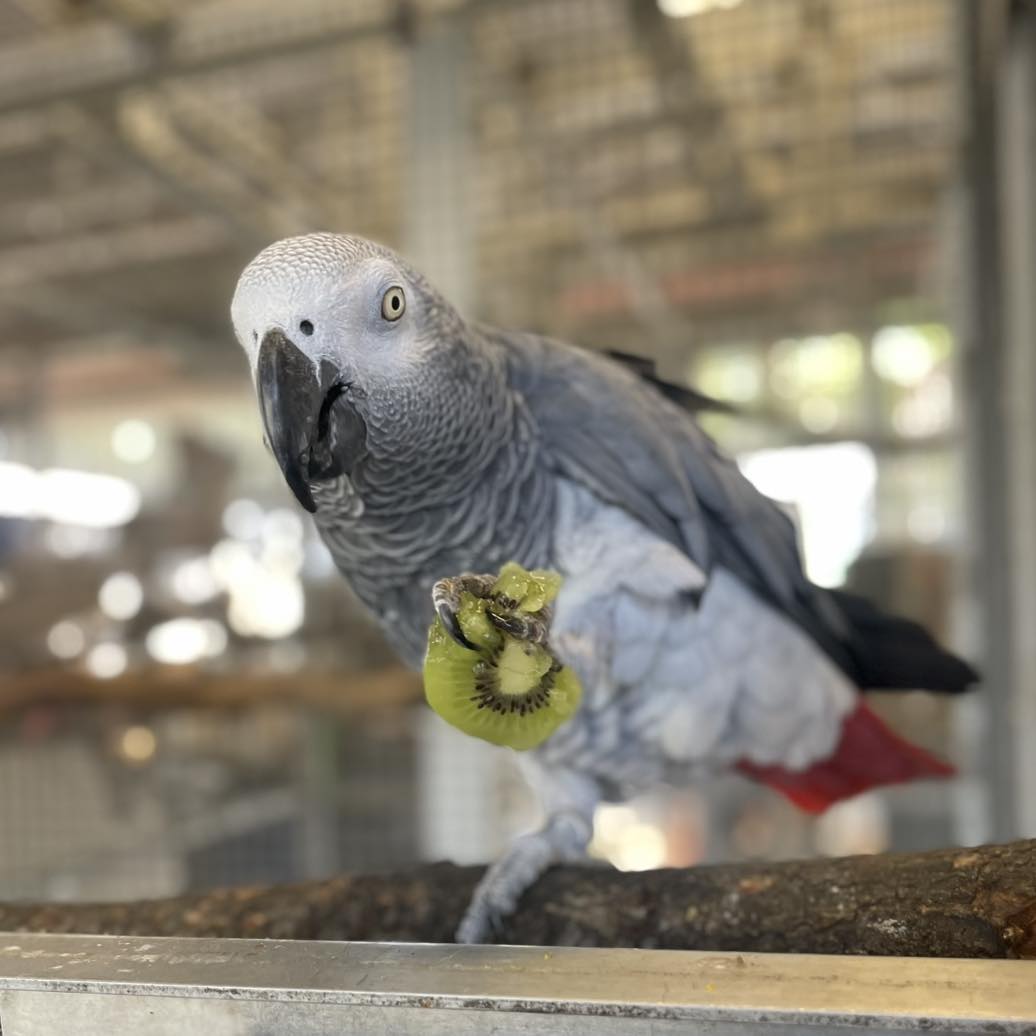
When an African grey parrot approaches a kiwi fruit, it may first explore the surface with its beak. This is a natural behavior, as birds often investigate new items in their environment through tactile exploration. Kiwi might jab at the skin, use its tongue to feel the texture, and even tilt the fruit to assess its weight. This behavior not only showcases Kiwi’s curiosity but also exemplifies how vital it is for these parrots to engage with their food.
Once Kiwi decides to eat the kiwi, the bird might use its feet to hold the fruit stable while pecking away at the flesh inside. This is particularly interesting because African grey parrots are known for their dexterous feet, which they can use much like hands. The act of holding food while eating is socially complex and highlights their cognitive skills. This skill enhances their ability to forage in the wild, where they would be searching for fruits like loquats, figs, or the kiwi itself in their natural habitat.
Furthermore, the manner in which an African grey parrot eats can offer insights into its socialization levels. If Kiwi shows hesitation or wariness, this may indicate that the parrot is still becoming accustomed to its environment or that it lacks experience with certain types of food. Conversely, a confident bird that eagerly engages with its food demonstrates an established, comfortable relationship with its environment. It is essential for pet owners to pay attention to these behaviors, as they can speak volumes about an individual bird’s temperament and well-being.
The dietary needs of African grey parrots stretch far beyond a single fruit choice. In captivity, these birds need a diet rich in diversity, encompassing a range of vitamins and minerals for optimal health. Pelleted diets specifically formulated for parrots often serve as the backbone of their nutrition. These pellets should align well with the vitamins found in fruits like kiwi. This extra layer of nutrition is crucial because African grey parrots can be prone to certain health conditions, such as obesity, fatty liver disease, and nutritional deficiencies.
The balance of a parrot’s diet cannot be overstated. The right proportions of fruits, seeds, nuts, and vegetables directly influence their health and longevity. A general guideline recommends that fruits and vegetables should comprise about 20-25% of their total diet. While fruits are enjoyed for their flavor, it is important to introduce them gradually to prevent digestive upset and allow for adjustments in taste preferences. Kiwi, in moderation, fits beautifully into this structured diet; its vibrant color and odd texture make it visually appealing to the eye and a likely candidate to capture Kiwi’s interest.
Equally important is the role of pet ownership in wildlife conservation. Every year, thousands of parrot species are threatened by habitat destruction, the illegal pet trade, and climate change. By choosing to adopt an African grey parrot rather than purchasing one from a store, individuals can play a pivotal role in conservation efforts. Awareness and education about the proper care of these animals can prevent future drops in their populations in the wild.
Conserving wildlife is not solely the responsibility of larger organizations. Individual pet owners can help preserve these species through responsible practices, including proper diets and housing conditions for their birds. For instance, plenty of opportunities exist for silver linings in avian wellness through nutrition, behavior observation, and habitat enrichment. Pet ownership serves as a powerful avenue for driving awareness of environmental issues, thereby creating advocates for species preservation.
In addition to their dietary needs and the impact of conservation, African grey parrots possess unique characteristics that contribute to their allure. They are known for their incredible capacity for vocal mimicry, often replicating sounds from their surroundings, including human speech. Their intelligence rivals that of a small child, making them not only pets but interactive companions.
This intelligence extends to their food preferences and dietary importance. Birds like Kiwi are quite discerning; they develop personal tastes that can vary widely. Learning about these preferences can lead to better relationships between birds and their owners. For example, if Kiwi enjoys kiwi fruit, pet owners might venture to include a variety of fruits in the diet, allowing the parrot to explore different flavors and textures.
Beyond diet, the fascinating behavior exhibited by African grey parrots when eating highlights their need for mental stimulation. They thrive on challenges, and incorporating enrichment tools such as food puzzles can turn meal times into opportunities for cognitive development. These carefully designed activities can enhance foraging instincts while preserving their health all at once.
Interactions between parrots and their food not only affect their nutritional intake but also their emotional well-being. A bored parrot is more prone to undesirable behaviors such as screaming, feather-plucking, or excessive chewing on habitats. Hence, creative feeding strategies, like presenting kiwi in different ways or mixing it with other fruits, can serve to engage their minds while satisfying their cravings for novel experiences.
An important point to remember is that the introduction of new foods, including kiwis, should always be done gradually. This allows the bird’s digestive system to adjust and helps owners identify any potential allergies or adverse reactions. If Kiwi refuses to eat the kiwi fruit at first, patience and persistence are key. Attempting different cuts or combining the fruit with a favored food can entice even the pickiest of eaters.
As we explore the fascinating world of Kiwi the African grey parrot enjoying a juicy kiwi, it’s clear that both diet and behavior play integral roles in ensuring the health and well-being of these remarkable birds. The blend of avian intelligence, proper nutrition, and responsible pet ownership creates a much-needed dynamic that supports conservation efforts and reinforces the bond between parrots and their human companions. Understanding the intricate balance between dietary needs and behavioral interactions enriches not only the lives of the parrots but also those of the owners who dedicate themselves to their care.
The vibrant image of Kiwi enjoying a kiwi fruit captures the essence of pet ownership and its larger implications for wildlife conservation. As Kiwi relishes each juicy bite, it serves as a reminder of the commitment we make towards fostering a healthy environment—not just for our pets, but the planet as a whole. Through conscientious practices and a dedication to education, both pet owners and avian enthusiasts can contribute to a better future for all feathered friends.
*****
Source Description
Kiwi, the African grey parrot, eating…a kiwi🥝😍🤣
Show us your animals’ named after food items!🍕🌮🍿
