
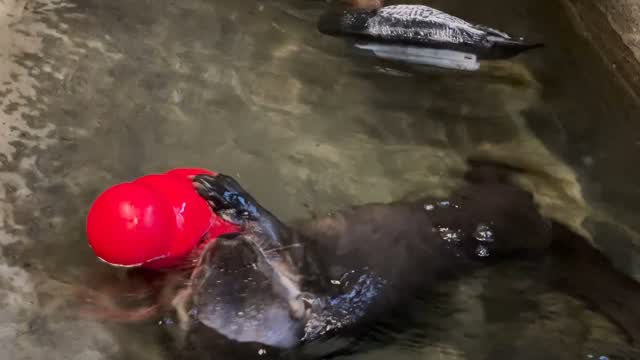
- Overview of the Kong wobbler toy and its function in animal enrichment
- The dietary needs and foraging behavior of North American river otters
- Creative strategies employed by zookeepers to facilitate natural behavior in captivity
- The significance of the Animal Enrichment Fund in promoting animal welfare
- How public donations can support animal enrichment and welfare initiatives
The Kong wobbler toy is a widely recognized item in animal care settings. Its design encourages animals to interact with it, allowing them to engage physically and mentally. As the Kong wobbler tumbles and rolls, food pieces gradually drop out. This mechanism not only entertains but also stimulates problem-solving behaviors. For the North American river otters, the Kong wobbler filled with fish bits provides both nourishment and a fun, engaging challenge.
North American river otters have a high metabolic rate, consuming approximately 10-20% of their body weight in food each day. This significant food intake supports their active lifestyle as they hunt, swim, and play. In the wild, these otters forage continuously for fish, crustaceans, and other aquatic animals. The thriving foraging culture amongst otters is vital for their natural behavior and overall well-being.
Zookeepers recognize the importance of mimicking the otters’ natural behaviors in a controlled environment. Creative strategies are essential for stimulating the animals’ instincts. By utilizing toys like the Kong wobbler, staff can replicate aspects of the wild foraging process. Otters are intelligent creatures; they thrive on challenges that push their cognitive abilities. For instance, otters may use their teeth or paws to maneuver the Kong wobbler, instigating a physical interaction that results in food rewards.
Animal enrichment plays a crucial role in animal welfare, particularly in captivity. Enrichment activities are vital for promoting natural behaviors and providing mental stimulation. This helps to reduce stress and prevent boredom, which can lead to negative psychological and physical effects. Zookeepers often design enrichment experiences tailored to the specific needs and preferences of the species in their care. In the case of otters, providing toys or puzzles filled with food can keep them engaged and active.
Otters in zoos will often be observed working together as they investigate food puzzles. This social interaction not only mirrors their natural behaviors but also fosters a better understanding of how they live in the wild. The use of the Kong wobbler filled with fish bits is an excellent example of how enrichment tools can be utilized to enhance the lives of captive animals. Such interaction is crucial for fostering social bonds among otter siblings, as they are known to be playful and communal.
The Animal Enrichment Fund exemplifies institutional commitment to animal welfare. This fund assists zookeepers in acquiring or developing enrichment tools that stimulate mental and physical activity among various species. Supporting these efforts is vital for ensuring that captive animals enjoy a quality of life comparable to their wild counterparts. By investing in animal enrichment, zoos promote health, well-being, and longevity, aligning their practices with modern conservation strategies.
Donations to the Animal Enrichment Fund can help zookeepers continue their efforts in enhancing animal welfare. Contributions facilitate the purchase and construction of new puzzles, toys, and environments that challenge the animals, inspiring natural behaviors and creativity. Every dollar donated goes towards building innovative ways to replicate the conditions native to each species’ natural habitat. Public support strengthens the mission of animal care facilities and fortifies their ability to educate visitors about the importance of conservation.
Educational programs are also critical to illustrating the importance of wildlife conservation and the role of zoos. By engaging the public in discussions about enrichment and animal welfare, zoos can foster a community invested in environmental stewardship. Outreach initiatives often highlight the fascinating characteristics of species such as the North American river otter while informing visitors about the challenges they face in the wild, such as habitat loss and pollution.
Otters are more than just playful animals. They serve as key indicators of ecosystem health due to their position at the top of the aquatic food chain. Protecting the environments these otters depend on is vital to their survival. Educational efforts targeting conservation issues inspire visitors to consider their roles in protecting natural habitats, reinforcing the importance of sustainable practices.
Zoological organizations continue to emphasize the link between animal welfare, education, and conservation efforts. The development of enrichment items like the Kong wobbler is just one part of a larger framework dedicated to promoting healthy, active lifestyles for animals in care. The educational programs and interactive experiences facilitated by zoos contribute to raising awareness about wildlife conservation.
The presence of otters in human care offers a unique opportunity to learn more about their ecological roles and the natural world. By conducting research on their behaviors, zookeepers contribute valuable insights that benefit both captive and wild populations. The knowledge gained can inform conservation efforts, enhancing strategies to protect not only otters but entire ecosystems.
Ultimately, the Kong wobbler toy is more than just an item found in a zoo. It’s a vital tool in promoting the physical health and mental well-being of otters, allowing them to express their natural instincts. The role of zookeepers in providing enriching environments underscores the significance of thoughtful animal care in modern zoological practices.
Through public contributions to funds like the Animal Enrichment Fund, communities can play an essential role in supporting this mission. By promoting animal welfare through enrichment efforts, everyone can contribute to the larger aim of conservation and sustainability. Donations help to ensure that animals, such as the North American river otter, continue to thrive under human care while advocating for healthier ecosystems in the wild.
*****
Source Description
You might recognize this Kong wobbler toy, meant to slowly drop out food pieces as an animal bops it around. Well, this Kong is filled with fish bits!
Otters consume 10-20% of their body weight in food daily and spend time hunting throughout the day. For otters in human care, zookeepers come up with creative ways to keep the otters hunting and problem solving as they forage. Here’s a behind-the-scenes peek at the indoor otter pond where the North American river otter brothers float, play, and eat.
If you want to contribute to the Animal Enrichment Fund so that our zookeepers can purchase or build exciting puzzles like this for the otters and other animals, donations can be made through the Humboldt Area Foundation at:
