
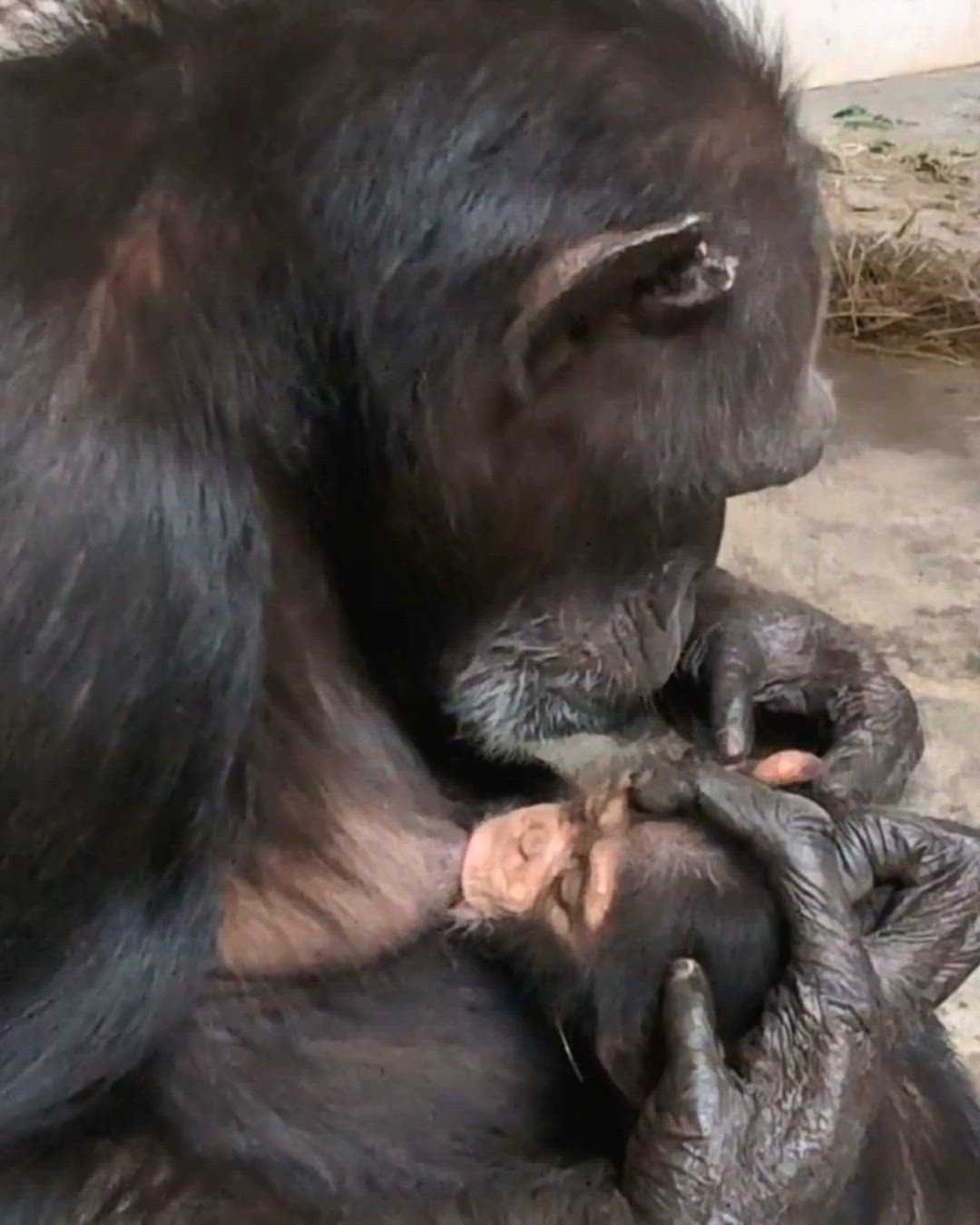
- Kyansa’s developmental milestones at 9 weeks
- The impact of social interactions on young animals
- Observational learning in animal behavior
- Conservation and significance of species awareness
- The role of zoos in wildlife education and preservation
Kyansa is officially 9 weeks old! 🎉 This remarkable age signifies a crucial stage in her development. At this point, Kyansa is showing great signs of growth, especially as she becomes more aware of her surroundings. Cognitive and physical advancements are evident as she observes the behaviors of other troop members. This article will examine her milestones, the importance of social interactions, and the role of zoos in conservation.
Developmental milestones are essential markers in any young animal’s growth. At 9 weeks, Kyansa is not only growing physically but also exhibiting cognitive abilities. Her senses are sharpening; she can hear and see more clearly than before. As a young animal, her physical coordination is rapidly improving. She is starting to explore her habitat, which allows her to learn more about the world around her.
Observing other troop members plays a vital role in Kyansa’s development. Animals often learn by watching others, particularly their parents and peers. They pick up cues about food sources, dangers, social hierarchies, and social bonding through this form of learning known as observational learning. This is especially significant for an animal like Kyansa, who is at a formative stage in her life. The behaviors she observes now will influence her own actions and development in the years to come.
As Kyansa learns to navigate her environment, she will become increasingly adept at recognizing other animals’ signals and behaviors. For instance, she might learn specific vocalizations that indicate either danger or comfort through watching her mother or other adult troop members. When adult animals exhibit nurturing behaviors towards her, she internalizes these actions and incorporates them into her understanding of social interactions.
Social interactions are critical to her growth. Young animals like Kyansa thrive on companionship and dependency during their early weeks. Through interaction, they learn how to form bonds and hierarchies that are crucial for their long-term social structures. This is particularly observable in species that live in structured social groups. Observing Kyansa’s interactions will shed light on her social preferences and compatibility with other members of her troop.
Moreover, it is important to consider the context of these interactions. Kyansa is not just passively observing; she is actively engaged in the dynamics of her group. This engagement helps her strengthen bonds with her peers and form foundational skills for her later life. Social learning is a vital part of her growth that aids in her eventual role in her troop.
The impact of observation extends beyond social skills; it helps establish behavioral norms. In animal behavior, it has been observed that younger animals tend to mimic older, experienced individuals. For species that rely on complex social structures, this is crucial. The behaviors they adopt can be linked to survival skills, foraging methods, and mating rituals. Such observational learning creates a shared knowledge base within the troop that can benefit all members.
Another crucial aspect of Kyansa’s development at 9 weeks is her growing awareness of her environment, which is essential for survival. Animals equipped with knowledge about their habitats are inherently more adaptable to changes in their surroundings. This adaptability ensures continuation of species and better resilience to challenges such as predators or environmental changes.
As she absorbs information about her habitat, Kyansa is beginning to recognize various stimuli, such as sounds, smells, and visual cues. This heightened sensory awareness equips her with the skills needed to thrive in the wild, should she face that opportunity in the future. In essence, Kyansa’s ability to discern and respond to these stimuli will not only impact her immediate behavior but will also dictate her long-term adaptability.
The significance of this developmental phase cannot be understated. For Kyansa, understanding her environment means she can navigate resources effectively, identify food sources, and locate safe spaces. This awareness will allow her to develop strategies for both foraging and socializing.
The role of zoos cannot be overlooked in this equation. Zoos serve as critical environments for both animal care and education. They provide a unique opportunity to observe wildlife up close while also contributing to conservation efforts. In today’s climate, many animal species are vulnerable or endangered, making the education component invaluable. Zoos like the one housing Kyansa aim to foster greater understanding and appreciation for wildlife among visitors.
One of the most significant objectives of modern zoos is wildlife education. Kyansa’s story is integral to this mission. Sharing her milestones, such as her recent developments at 9 weeks old, allows visitors to grasp the importance of animal behavior and social dynamics. Through education, visitors can cultivate meaningful connections to wildlife, motivating them to support conservation efforts.
Furthermore, zoos invest in research and conservation programs aimed at protecting threatened species. By participating in breeding programs with animals like Kyansa, they are taking active steps toward preserving genetic diversity. As she matures, the knowledge gained from observing her developmental trajectory can reveal important insights on her species’ adaptive behaviors.
Conservation efforts hinge on understanding behaviors and social structures within animal populations. Insights gained from observing Kyansa’s interactions and development at 9 weeks old can contribute to broader strategies aimed at protecting her species’ natural habitats. This knowledge feeds back into conservation strategies that are critical for managing ecosystems sustainably.
With Kyansa’s milestones serving as a valuable case study, visitors and researchers alike can study social learning and its implications for animal health and well-being. Understanding how young animals like Kyansa learn about their social worlds enhances our knowledge of animal behavior in general, which is increasingly becoming a focal point of environmental stewardship.
As Kyansa progresses through her developmental stages, tracking her journey promises a wealth of information. Her unique situation at the zoo offers an opportunity to observe a critical time in her life while contributing to discussions about conservation and wildlife education.
The world of zoology offers not only a look into animal behaviors but shares larger stories about ecosystem interaction, biodiversity, and the importance of preserving it. Kyansa’s journey is representative of broader concerns within wildlife conservation, as it emphasizes the importance of social learning and environmental awareness.
In summary, as Kyansa reaches this milestone at 9 weeks old, her growth is indicative of the charged interplay between developmental biology, social dynamics, and conservation efforts. Observing her progress is not only a delight; it serves as an educational gateway into understanding the complexities of animal behavior. This serves as a reminder of the role each of us can play in wildlife conservation. By engaging with stories like Kyansa’s, we cultivate a more informed public, fostering both awareness and action in the fight to protect vulnerable species worldwide.
Follow along for more updates as Kyansa continues to learn and grow!
*****
Source Description
Kyansa is officially 9 weeks old! 🎉
She’s showing great signs of development as she becomes more aware of her surroundings, observing the behaviors and interactions of other troop members around her.
Follow along for more updates as she continues to learn and grow!
