
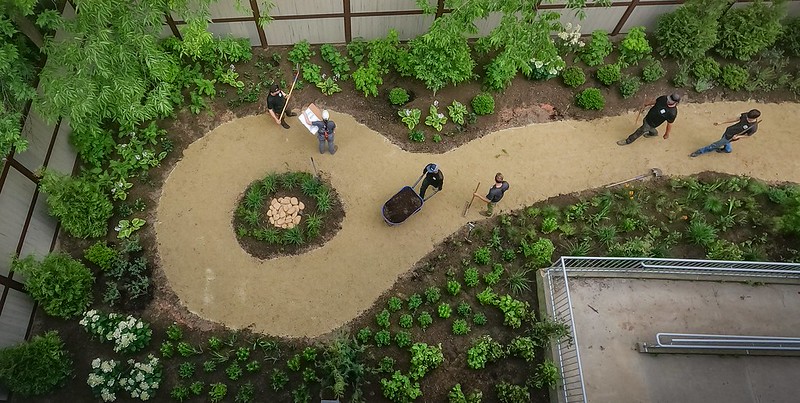
Summary of Landmark Year for Landscaping and Gardening for Wildlife:
The Cincinnati Zoo & Botanical Garden’s horticulture and conservation teams have had a productive year, earning a spot on the NICE list. They planted 120,000 tulips and 60,000 annuals, landscaped new habitats like Elephant Trek and Bear Ridge, and engaged in community gardens. Their efforts facilitated the distribution of 13,375 plants to local gardeners through native plant sales and guided many through the Plant for Pollinators program, which also won the 2025 Daisy Sticksel Conservation Award. Volunteers and ZooTeens contributed significantly, particularly during events like Monarch Fest. More detailed information can be found in the 2025 Horticulture Highlights Report.
- The significance of landscaping and gardening for wildlife conservation.
- Examination of Cincinnati Zoo & Botanical Garden’s efforts in promoting wildlife-friendly practices.
- The role of community involvement in wildlife conservation gardening.
- Comprehensive overview of successful programs and initiatives for pollinators.
- Future implications and actions for sustainable landscaping in wildlife conservation.
Landscaping and gardening for wildlife conservation play a vital role in promoting biodiversity and maintaining ecological balance. By recognizing the importance of these practices, individuals and communities can create environments where various species can thrive. Projects that incorporate native flora, reduce habitat loss, and support wildlife are increasingly crucial in the context of habitat degradation and climate change.
Cincinnati Zoo & Botanical Garden has emerged as a leading institution in implementing and promoting wildlife-friendly landscaping and gardening practices. Throughout the year, their horticulture and conservation teams have worked tirelessly to make strides in educating the public, engaging the community, and creating habitats that support local wildlife. For instance, the team’s efforts included planting a staggering 120,000 tulips and 60,000 annuals, displaying the effectiveness of large-scale initiatives. This level of activity showcases how such landscapes can offer visual beauty while also serving ecological roles.
One notable addition was the landscaping for new habitats, including Elephant Trek and Bear Ridge. These projects highlight the importance of creating spaces that meet the needs of specific animal species while also providing visitors with engaging and educational experiences. By focusing on the right plants and landscape materials, the team ensured that these areas not only looked appealing but also supported the animals’ natural behaviors.
Community involvement plays an indispensable role in wildlife conservation efforts. Cincinnati Zoo & Botanical Garden took proactive measures to engage local residents in gardening activities. The horticulture team initiated community garden projects, maintained existing gardens, and organized native plant sales. By putting 13,375 plants into the hands of local gardeners, the Zoo effectively expanded its influence beyond its grounds.
The Plant for Pollinators program stands as a cornerstone of these community efforts, offering resources and expertise to gardeners interested in cultivating wildlife-friendly gardens. This initiative gained significant recognition, highlighted by the 2025 Daisy Sticksel Conservation Award from the Ohio Association of Garden Clubs. This accolade not only showcases the Zoo’s commitment to conservation but also acts as motivation for other organizations to follow suit.
Volunteers and ZooTeens played a critical role during these initiatives. Their participation in programs like the Pollination Station and events such as Monarch Fest enabled the Zoo to interact with hundreds of guests while promoting garden and wildlife conservation knowledge. Community engagement serves a dual purpose by raising awareness and fostering a sense of ownership over local ecological issues.
When it comes to successful programs and initiatives for pollinators, the focus on native plants cannot be overlooked. Native species are essential for local ecosystems as they provide food and habitat for various pollinators, such as bees, butterflies, and birds. By advocating for the cultivation of native plants, the Cincinnati Zoo & Botanical Garden helps to restore ecological balance, feeding these vital organisms while enhancing biodiversity.
Research supports the notion that well-planned landscaping for wildlife can yield remarkable benefits both for the environment and local communities. By interspersing native plants and reducing the use of harmful chemicals, gardeners can create habitats that attract diverse pollinators and other wildlife. This strategy not only raises awareness about the critical role these species play in our ecosystems but also ensures that garden enthusiasts can enjoy vibrant landscapes year-round.
Moreover, landscaping and gardening initiatives can create educational opportunities for schools and organizations to engage students in hands-on experiences. This fosters a greater understanding of ecological principles, instilling the values of conservation from a young age. Engaging children in gardening activities centered around wildlife subjects can help form a connection to nature that lasts a lifetime.
Looking ahead, the need for sustainable landscaping practices becomes even more pressing. Urbanization continues to expand, placing additional stress on natural habitats. As such, it is essential for communities to adopt greener approaches that prioritize local wildlife. Many cities now implement guidelines encouraging the use of native plants, rain gardens, and green roofs, all contributing to healthier ecosystems.
Future initiatives should focus on integrating sustainable practices into everyday landscaping while continuing to educate communities about the intertwined nature of gardening and conservation. Collaborative efforts that involve various stakeholders—residents, local governments, and conservation organizations—can amplify the impact of wildlife-friendly gardening.
In conclusion, residents and gardeners can contribute to ecological sustainability through landscaping and gardening practices that support wildlife. Cincinnati Zoo & Botanical Garden exemplifies how innovative programs and community engagement can create a lasting impact for local wildlife conservation.
